

US Embassies Issue Urgent Security Alerts For These 16 Countries, From Mexico To Spain
If you have international travel plans over the next few weeks, you need to check your itinerary. Within a chaotic 24-hour window heading into August 2026, the United States Department of State and multiple U.S. Embassies have rapidly issued synchronized security and health alerts across 16 different countries.
These alerts are not standard, scheduled advisories. They represent rapidly developing, on-the-ground situations that pose immediate risks to American travelers. The situations range from sudden military deployments at European borders to unprecedented health spikes in South America, and a massive, coordinated warning regarding airspace closures across the Middle East.
Here is the breakdown of the 16 countries currently under urgent U.S. Embassy alerts, exactly what is happening on the ground, and the immediate actions travelers need to take to stay safe.
1. Spain & Morocco: Unprecedented Border Surge

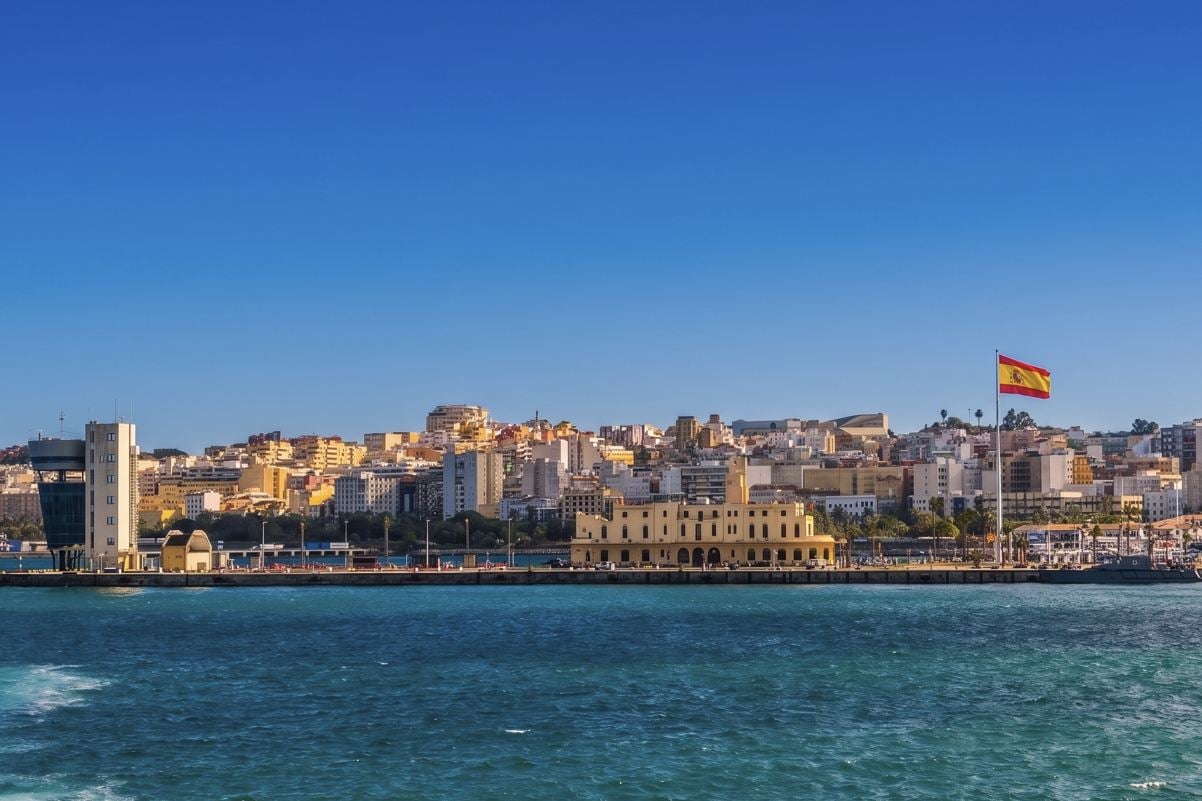
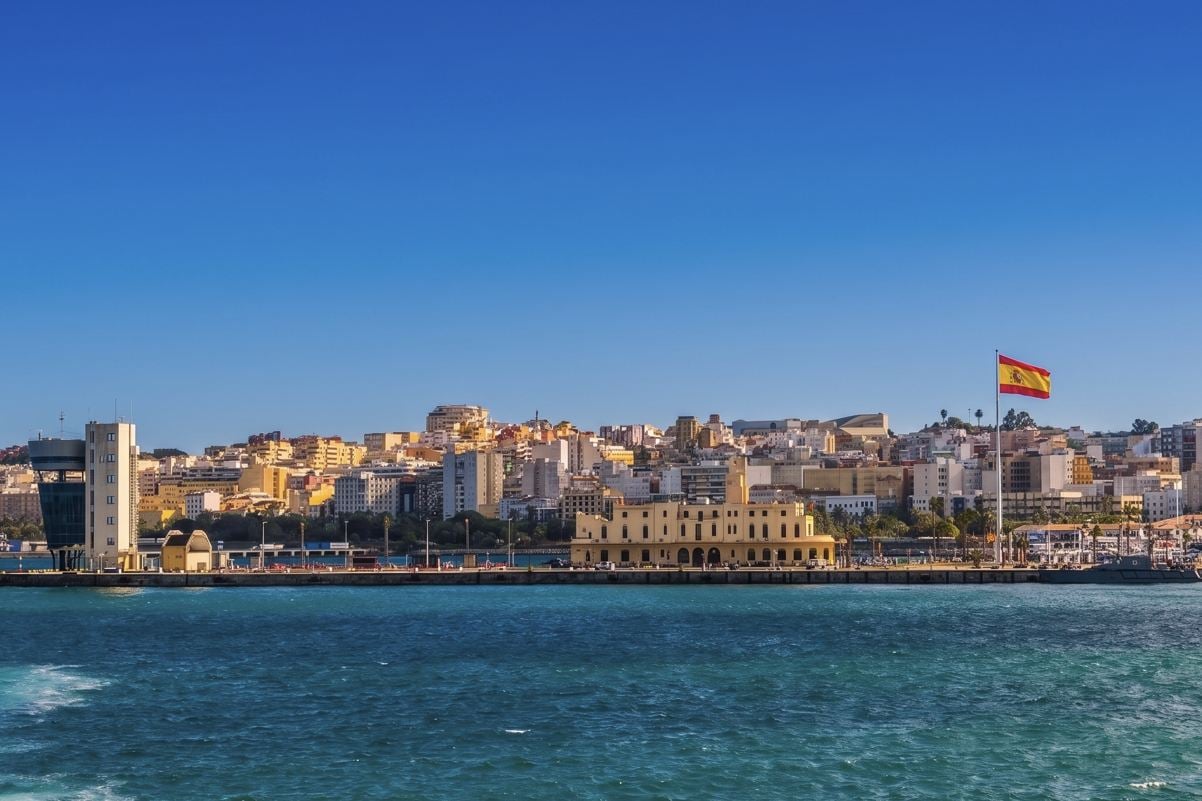
The Situation: The U.S. Embassies in Madrid and Morocco have issued high-priority security alerts following an absolute breakdown of border control in North Africa. In an unprecedented surge, approximately 60,000 migrants crossed from Morocco into Spain’s tiny enclave of Ceuta in a single 24-hour period.
To put that in perspective, that number represents 70 percent of Ceuta’s entire population arriving in one day. Spain has been forced to deploy its armed forces, the National Police, and the Guardia Civil to contain the chaos and restore order in the territory, which sits directly on the Strait of Gibraltar. Meanwhile, on the Moroccan side of the border, violent clashes have erupted between security forces and migrants. The chaos is already causing international ripple effects, with France and Italy pledging to tighten their own borders in response.

Advice for Travelers:
- Cancel travel to affected border zones: Do not travel to the affected Spanish enclaves of Ceuta or Melilla at this time under any circumstances.
- Comply with authorities and avoid crowds: If you are currently in the area, follow all instructions from the Spanish military and police. Do not approach any demonstrations or border checkpoints.
- Monitor maritime transit closely: Ferry services between Ceuta and mainland Spain are currently operating, but they are highly vulnerable to sudden cancellations. Travelers relying on these maritime routes must constantly monitor the Port of Ceuta website for real-time updates.
2. Mexico: Blockades in Michoacan
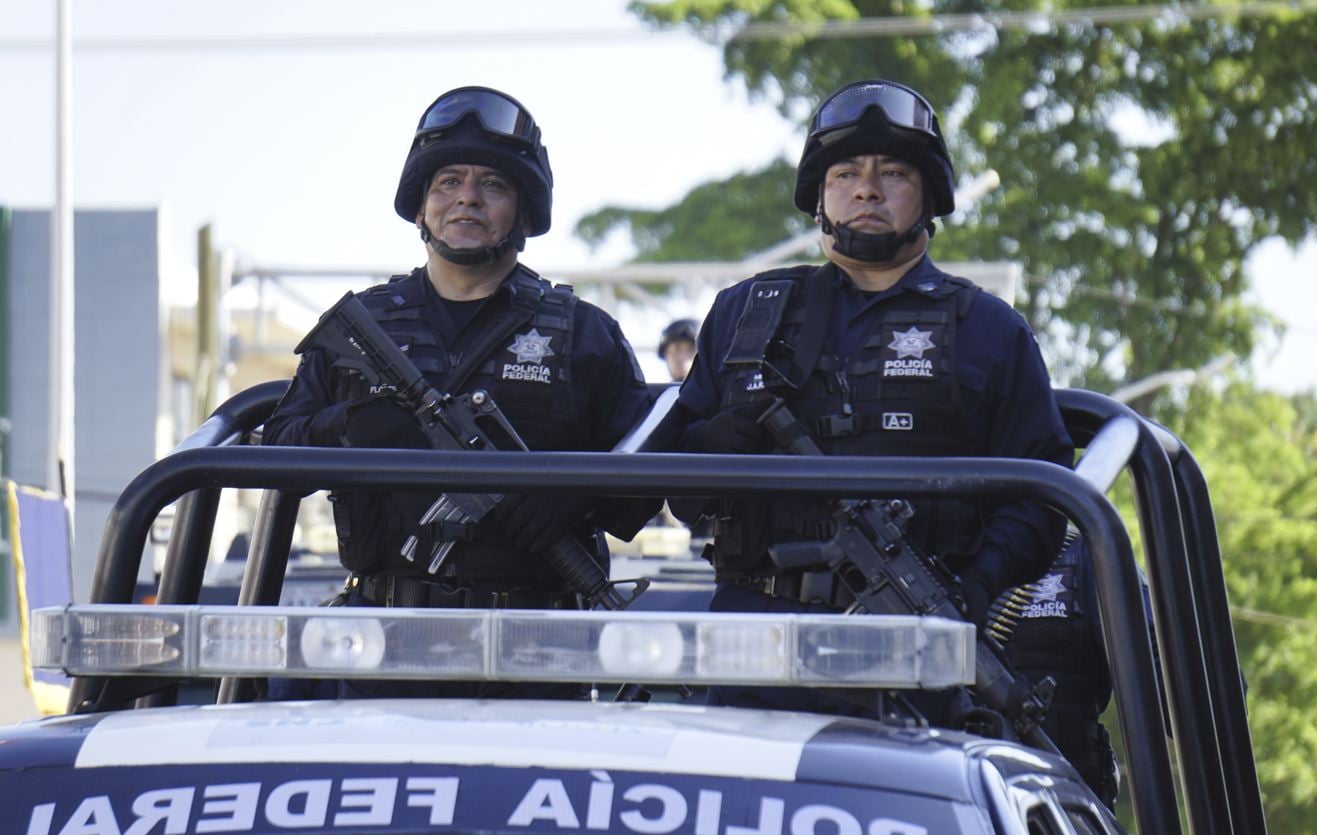
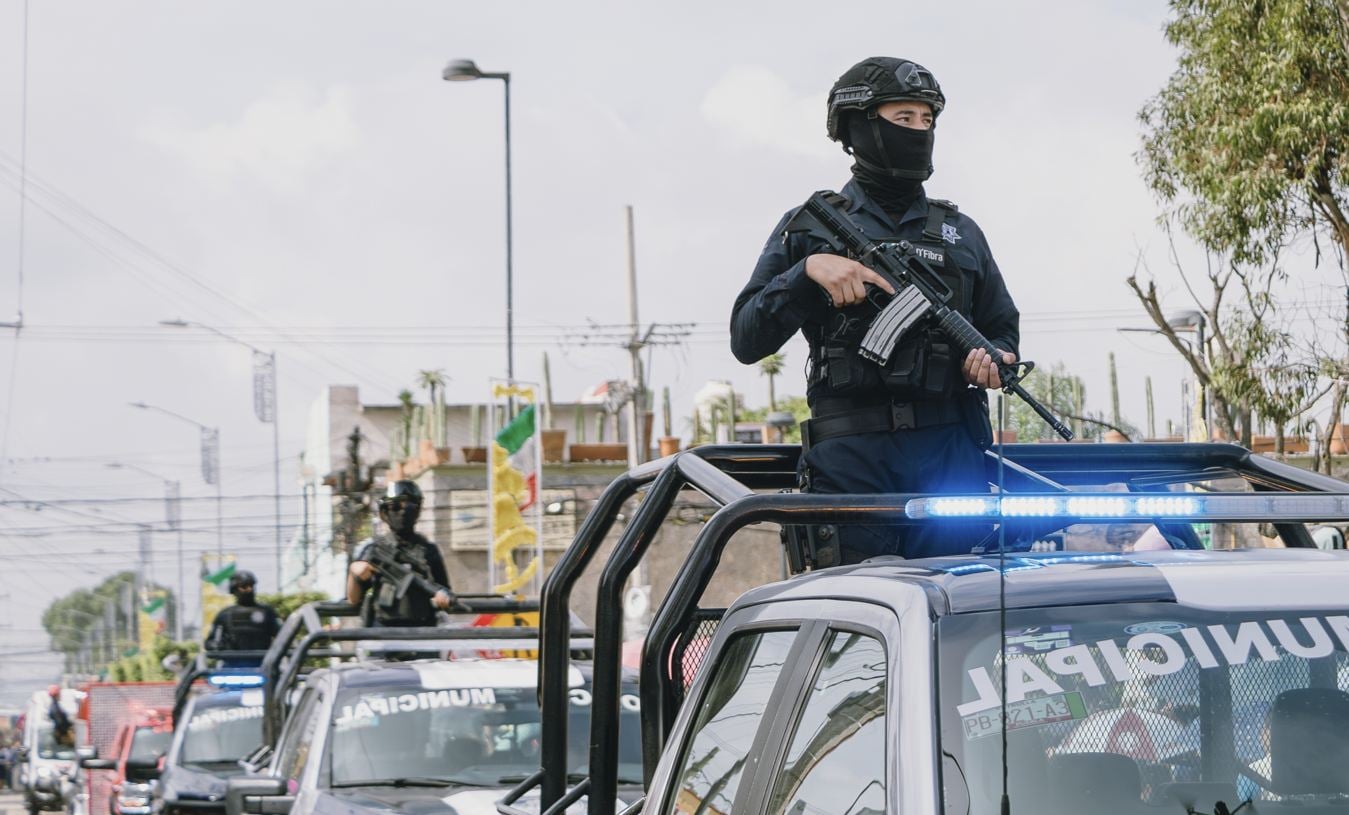
The Situation: The U.S. Embassy in Mexico continues to monitor an incredibly volatile situation in the state of Michoacan. According to the latest security alert, local security forces have been placed on high alert due to active, widespread criminal activity and the sudden erection of illegal roadblocks by organized criminal groups.
Michoacan has long been a flashpoint for violent crime, and the U.S. State Department’s overarching Travel Advisory for the state strictly remains at “Level 4: Do Not Travel” due to extreme risks of crime and kidnapping. These sudden blockades mean that travelers could become trapped on highways or caught in the crossfire of law enforcement operations.
Advice for Travelers:
- Never drive at night and stick strictly to toll roads: All intercity travel must be completed during daylight hours, a rule U.S. government personnel are strictly mandated to follow. Always use well-maintained, paid toll roads (cuotas) instead of free, rural routes (libres). Keep your doors locked and windows rolled up at all times.
- Do not attempt to bypass highway blockades: Illegal roadblocks are most common on major highways. If you encounter one, do not attempt to flee, argue, or drive around it, as this can lead to severe injury or death. Comply with instructions and minimize all unnecessary movement.
- Avoid law enforcement activity and monitor local media: Stay completely clear of active police or military operations. Continuously check local news to track sudden highway closures, localized violence, or disruptions to regional airports.
3. Ecuador: Targeted Violence in Guayaquil

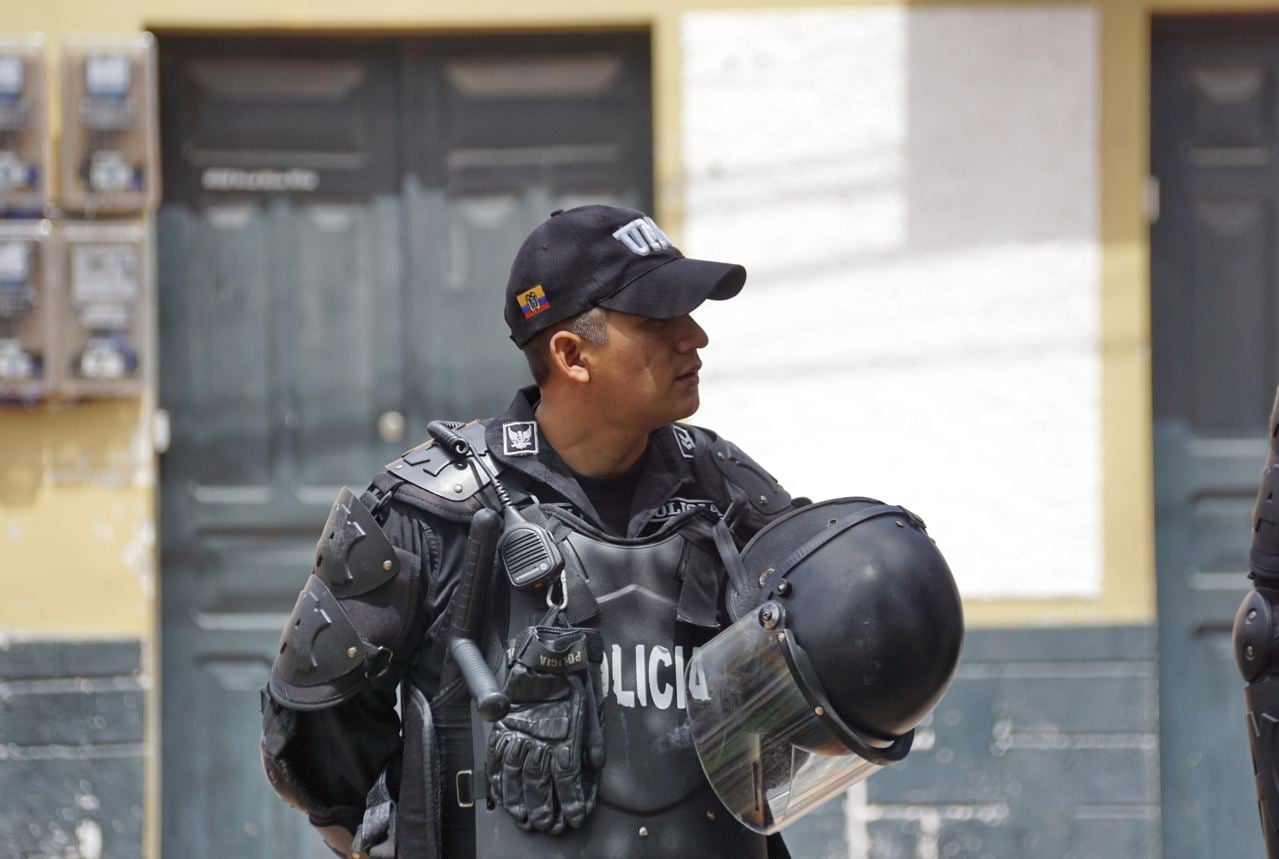
The Situation: The U.S. Consulate in Guayaquil has issued a hyper-localized security alert warning citizens of a targeted shooting that occurred within the Puerto Azul urbanization.
While Guayaquil has struggled with broader security issues tied to organized crime over the last year, a shooting inside a private, gated residential complex like Puerto Azul on the Vía a la Costa highway is highly alarming and indicates that violence can spill into areas previously considered secure. The alert was issued to rapidly inform U.S. citizens of the dangerous incident within the specific neighborhood.
Advice for Travelers:
- Maintain extremely high situational awareness: Exercise elevated caution if you must travel near or through the Puerto Azul area. Given the broader security climate in Guayaquil, avoid walking on the streets after dark.
- Follow all instructions from local responding authorities: Do not interfere with police perimeters or active investigations.
- Monitor local Ecuadorian media: Watch for further details on the suspects, ongoing police operations, and potential traffic disruptions along the Vía a la Costa highway.
4. Uruguay: Sudden Health Crisis
The Situation: Moving away from security threats, the U.S. Embassy in Montevideo has issued a nationwide Health Alert. The Uruguayan Ministry of Public Health has officially reported a highly concerning, rapid increase in cases of meningitis across the country.

Meningitis is a severe bacterial disease that causes inflammation of the brain and spinal cord lining. It can lead to rapid, severe illness, blood poisoning (septicemia), and death if not treated immediately. The situation is serious enough that the Uruguayan government is currently mobilizing to offer free vaccines to all children and adolescents nationwide.
Advice for Travelers:
- Check Your Records: Travelers who are fully up-to-date with standard U.S. recommended vaccination schedules are generally already protected against the most common strains and do not need to panic or seek an additional vaccine upon arrival.
- Know the Symptoms: Seek immediate emergency medical help if you develop symptoms such as a sudden high fever, a severe and worsening headache, a stiff neck, or a distinct rash that does not fade when pressed with a glass.
5. The Middle East: A Synchronized Regional Warning
The Situation: On August 1, 2026, U.S. Embassies across the Middle East—spanning Israel, Lebanon, Iraq, Oman, the UAE, Saudi Arabia, Bahrain, Qatar, Kuwait, Egypt, and Jordan—issued a massive, synchronized security alert.

The security environment across the entire region is currently described as “extremely complex and fluid.” Driven by heightened tensions and an unpredictable Iranian regime, there is a very real, immediate potential for unforeseen escalation. The State Department is warning that U.S. diplomatic facilities, businesses, and locations associated with Americans worldwide could be targeted by Iran or supportive proxy groups. Recent actions have shown a willingness to strike areas not previously targeted. Furthermore, the U.S. Embassy in Amman, Jordan, took the extraordinary step of specifically warning all Americans to avoid any travel near military bases within the country.
Advice for Travelers:
- If you are in the region, prepare to depart: You must exercise extreme vigilance and seriously consider departing immediately before commercial options vanish. Ensure you are enrolled in the Smart Traveler Enrollment Program (STEP) to receive life-saving updates directly from the embassy.
- Prepare for extreme disruption: Be prepared for sudden flight cancellations and total airspace closures with zero notice. Several major airlines have already delayed or outright canceled routes to the region.
- If you are outside the region, reroute: Seriously reconsider traveling to or transiting through any Middle Eastern hub at this time. If you must fly, obsessively monitor airline operations, as your connection could be grounded mid-trip.
Check the latest travel alerts and advisories for your destination on the Traveler Dashboard.
Enter your email address to subscribe to Travel Off Path’s latest travel news, straight to your inbox