

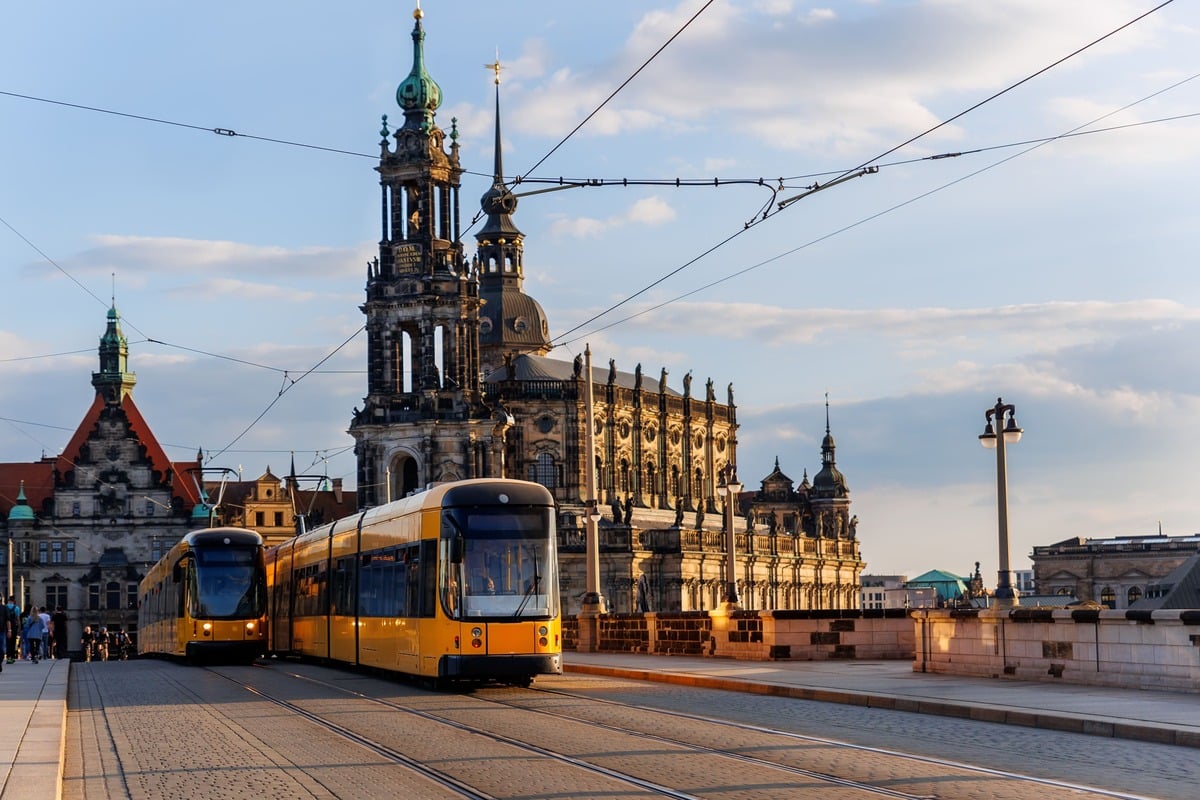
The 3-Country European Sleeper Train With Dedicated Lie-Flat Couchettes, Historic City Stops, and Seamless Border Crossings
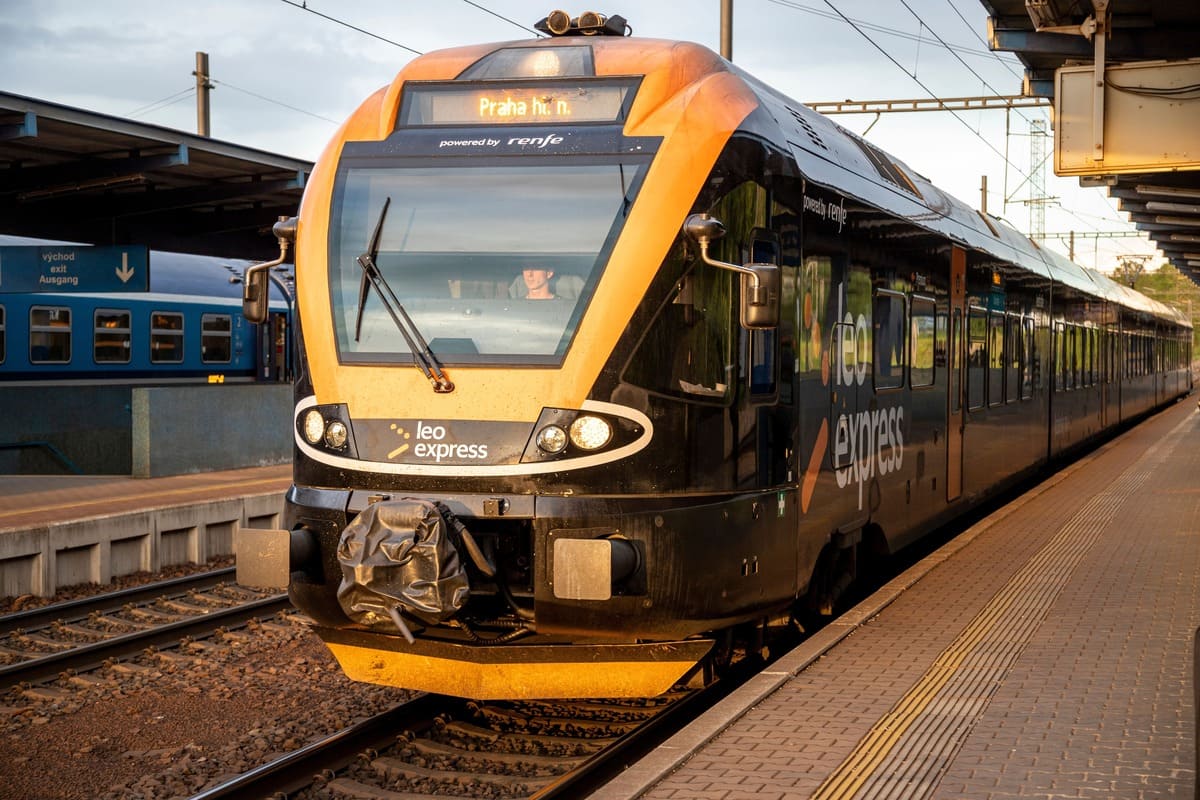
Only a few months after one of Europe’s longest rail journeys was announced, linking three of Central Europe’s most beautiful countries, Leo Express has already made it even better.
The operator has just added brand-new couchette carriages to what was previously an all-seated overnight train.
In other words? No more trying to survive an overnight journey half-asleep in an upright seat. Unlike the first passengers who tackled this marathon route with little more than a headrest and a prayer, you can now book a proper couchette, stretch out, and sleep your way across Poland, Czechia, and Germany.
Here’s everything you need to know about Leo Express’ upgraded overnight service, and all the incredible destinations you can hop off and explore along the way.
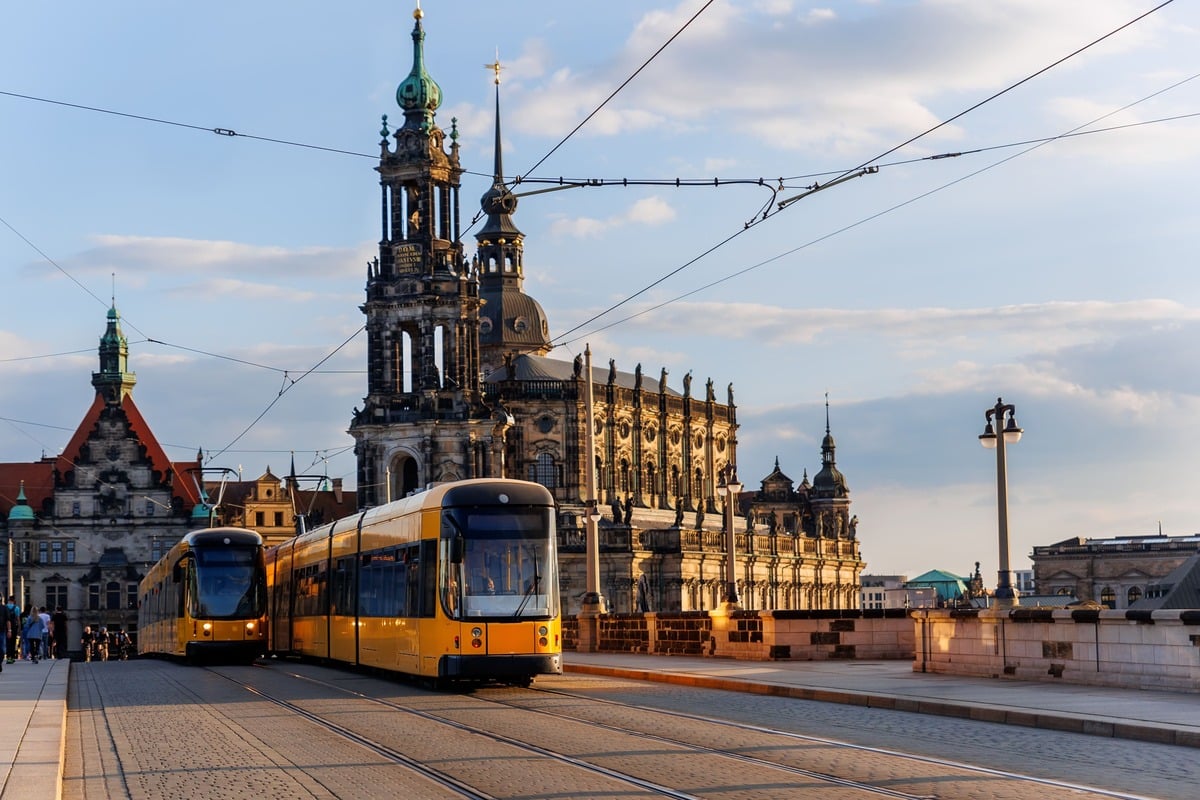
From Eastern To Central Europe Overnight
Since it launched back in April 2026, the Leo Express linking Przemyśl, in eastern Poland, all the way to Frankfurt, the financial powerhouse of Western Germany, quickly became one of Europe’s most exciting new rail routes.
It crosses three countries over roughly 860 miles, stopping in a number of culturally-rich, postcard-worthy European cities along the way, leaving the travel planning and country-hopping entirely up to you.
The only downside? Although the journey took around 18 hours, depending on delays and connections, the train lacked couchettes.
In other words, it might have been perfectly adequate for passengers traveling shorter distances between points like Kraków and Prague or Prague and Berlin, but those riding the full length of the exceptionally-long, cross-continent route would almost certainly struggle to get a decent night’s sleep.
As of July 31, 2026, that changes.
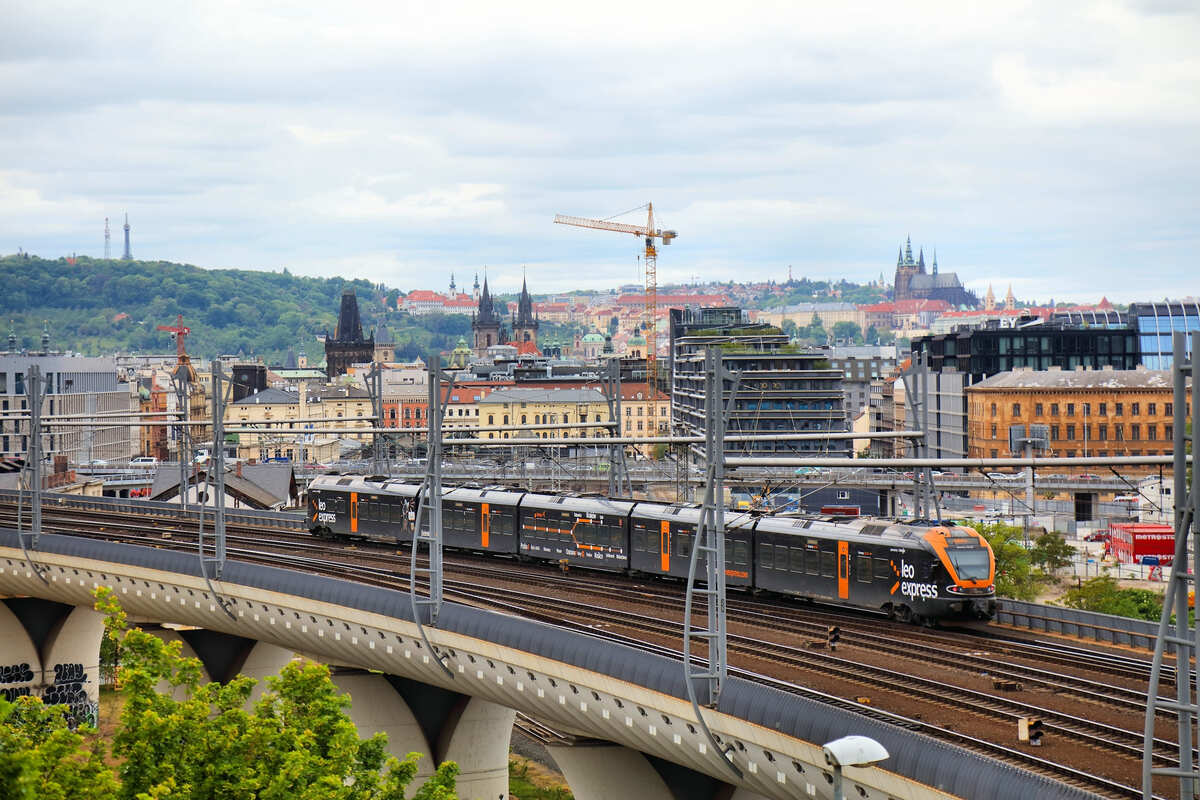
Welcome Onboard The Revamped Leo Express
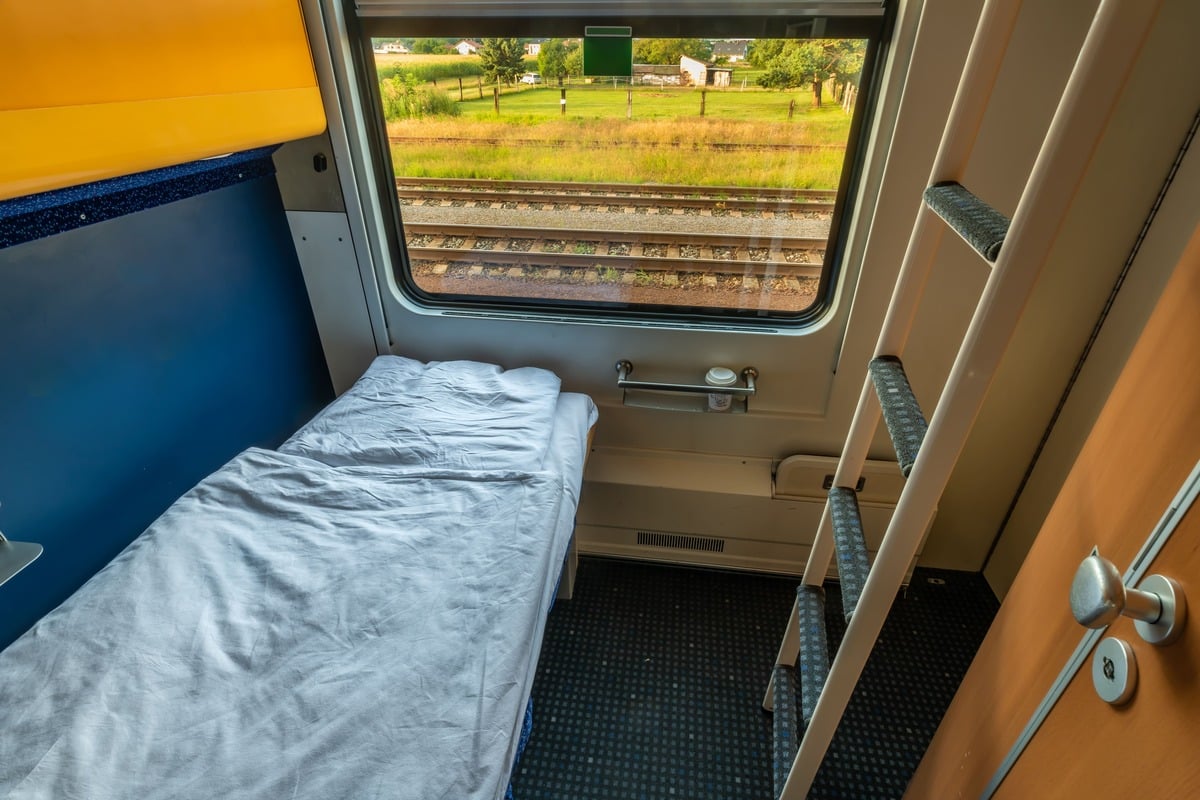
The Leo Express has been officially upgraded with the introduction of Economy Sleeper, a new travel class featuring dedicated couchette coaches. In numbers, that means an extra 32 berths on every train, with compartments accommodating between one and four passengers.
Every coach comes with air conditioning, free Wi-Fi, and power sockets. Yes, that tiny but essential detail so many rail operators still seem to overlook.
In the lower sleeper categories, where meals aren’t included, refreshments are available to purchase onboard. If you book the all-inclusive Single Sleeper, however, you can expect complimentary toiletries, bedding, towels, and breakfast served before arrival… starting from just €37.90, or about $44.
To the solo traveling women out there, there are women-exclusive couchettes available.
Who Is This Train Perfect For?
The sleeper train is particularly attractive for:
- Travelers country-hopping across Eastern and Central Europe, as it hits up a number of the most historically-significant cities in the region
- Travelers flying through Frankfurt Airport on their way out of the continent
- Interrail and Eurail passholders*
- Anyone wanting to save on a hotel by traveling overnight
*One notable perk is that Interrail passholders have reported being able to reserve seats, and on occasion even couchettes without paying the additional reservation fee, instantly making the Leo Express one of Europe’s best-value overnights.
Learn more about the Interrail pass that allows you to explore 33 countries for only $315 here.
What Is The Leo Express Route?
Timetable
Westbound:
- Depart (from Przemyśl, Poland): 12:04 p.m.
- Arrival (Frankfurt, Germany): 07:22 a.m. the following morning
Eastbound:
- Depart (from Frankfurt, Germany): 3:03 p.m.
- Arrival (Przemyśl, Poland): 12:04 a.m.
Full Route
Poland
- Przemyśl (near the Ukrainian border)
- Rzeszów
- Tarnów
- Kraków
- Katowice/Tychy
Czechia
- Bohumín
- Ostrava
- Olomouc
- Pardubice
- Prague
- Děčín
Germany
- Dresden
- Leipzig
- Weimar
- Erfurt
- Fulda
- Hanau
- Offenbach
- Frankfurt Süd
- Frankfurt Airport (FRA)
Why Is This Train Such A Big Deal?
The Leo Express fills several long-standing gaps in Central Europe’s rail network, finally providing direct overnight links between major cities like Frankfurt, Prague, and Kraków.
No more hopping on and off trains or juggling multiple reservations with different operators.
With the addition of the couchettes, it has also become a far more attractive option for travelers looking to avoid the chaos at European airports right now, especially with the ongoing EES rollout delays, which have led to long queues and processing bottlenecks at some border crossings.
The EES (mandatory fingerprinting) is one of many new travel rules that apply to Americans flying to Europe this year. If you’re heading across the pond, use the Entry Requirement Checker to verify your documentation’s in order and avoid unpleasant surprises at the boarding gate.
You never know whether you might now need a travel permit to visit X or Y country.
Top 5 Best Cities To Visit With The Leo Express
Rzeszów, Poland
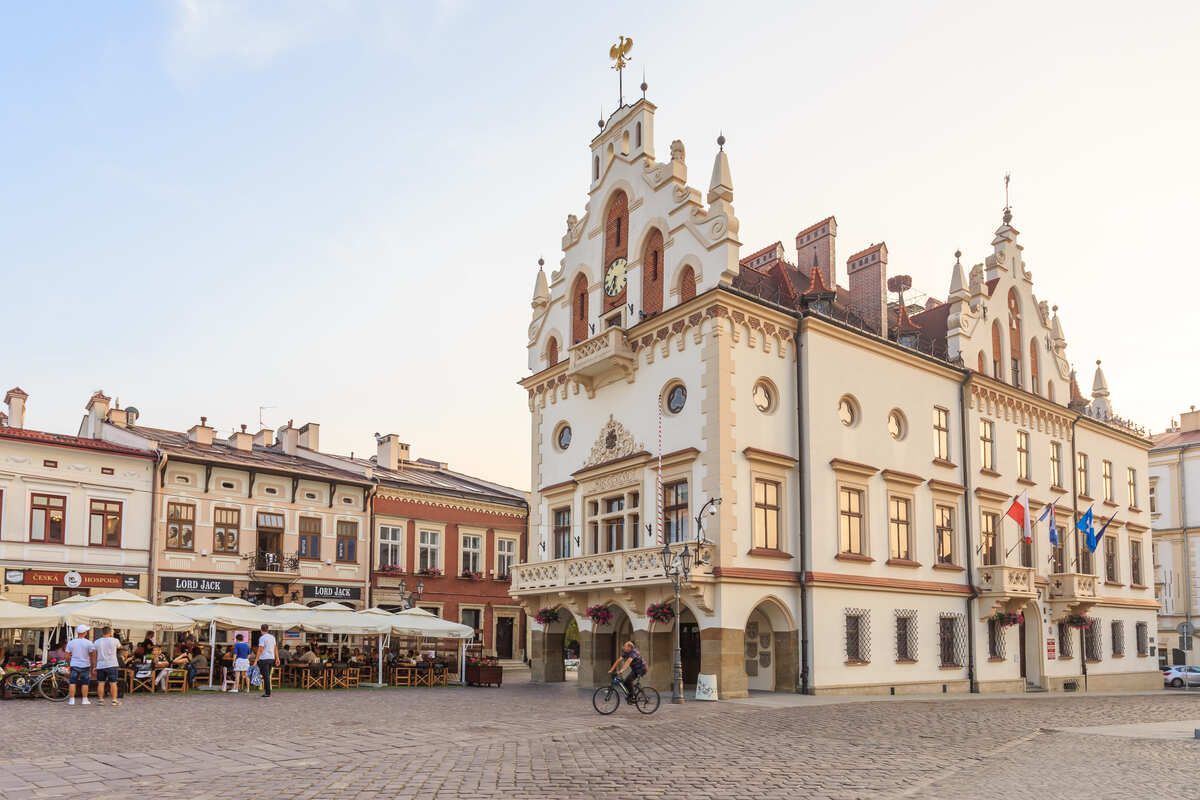
One of Poland’s fastest-growing cities, Rzeszów is a bustling regional capital that somehow still retains the relaxed atmosphere of a medieval town.
It has a beautifully restored Market Square, lined with colorful townhouses and lively cafés, and beneath the cobbled streets of the Old Town lies an entire underground tourist route of medieval cellars once used by merchants.
Other highlights include the elegant Lubomirski Summer Palace, surrounded by a historic moat and park, and the Gothic Bernardine Church, both within easy walking distance of the Old Town.
Perhaps unbeknownst to most, Americans can actually fly nonstop to this underrated Polish city from New York this summer.
Convenience aside, Poland is one of the safest European countries to visit right now, with a safety score of 92/100 on the Traveler Safety Index, a tool that measures security levels on the ground based off of reports from actual travelers:
Kraków, Poland
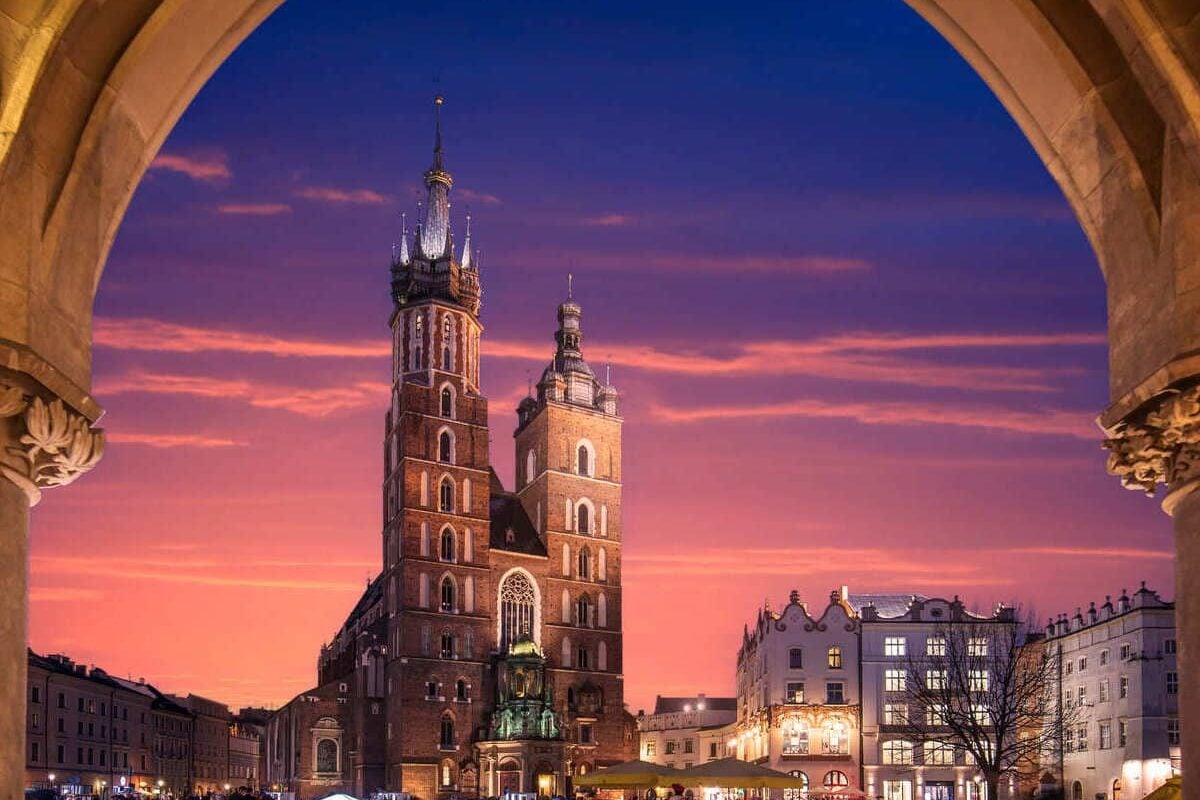
Kraków may be only the second-largest city in Poland, but it’s arguably the country’s cultural centerpiece.
It’s home to one of the largest medieval squares on the continent, flanked by a soaring Gothic basilica and with a beautiful cloth hall right in its center, and its Jewish Quarter is a cobbled, atmospheric history lover’s dream.
If you’re visiting Kraków, you can’t miss the Wawel Castle, where the Wawel Cathedral is located, as well as the Royal Castle, a European royal residence in the same league as Versailles, and of course, you can always pair a visit to the city with a side-trip excursion to Auschwitz.
The eerie concentration camp is a popular day trip for guests, as it is only about a 1.5-hour drive from town, and you can easily get there on a guided tour starting from as cheap as $40–50.
Prague, Czechia
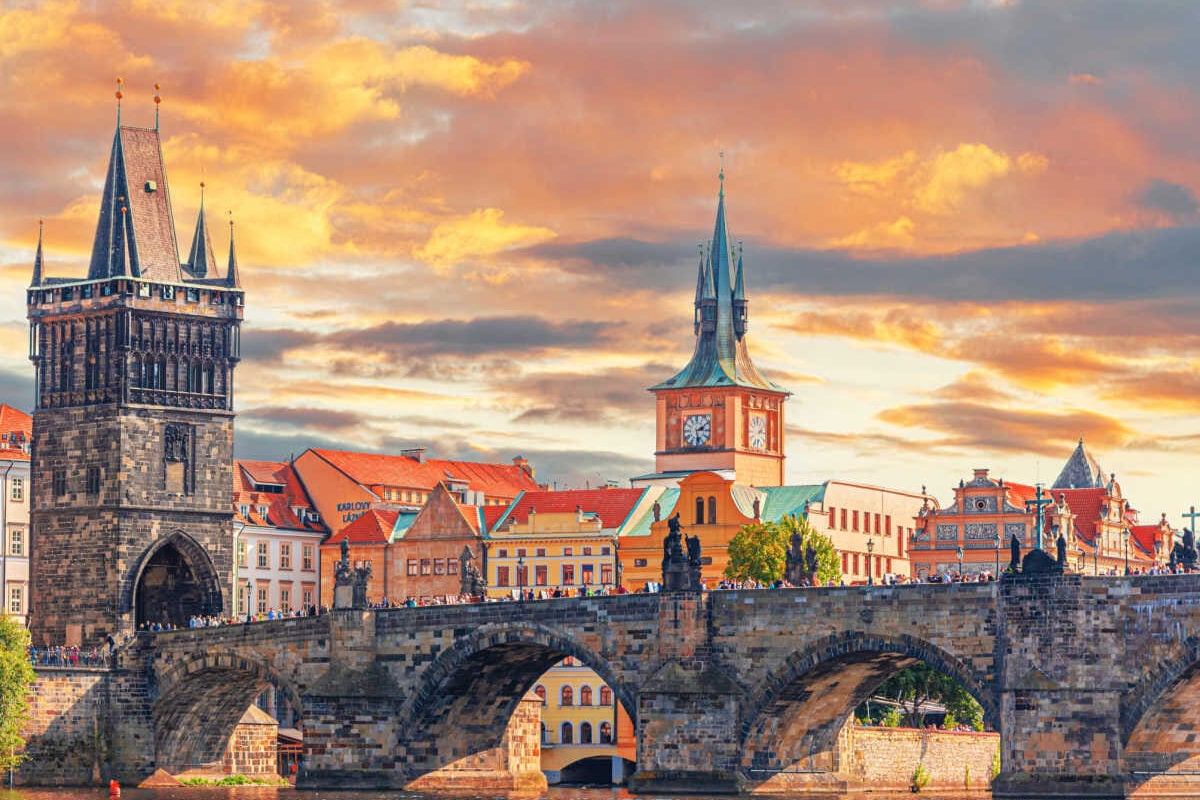
Prague is a city that will have you feeling like a squeezed sardine in a tin foil can, but that’s for good reason:
This is hands down one of the most beautiful capital cities you can find across the pond, with the kind of fairy-tale charm and jaw-dropping medieval architecture that looks AI-generated at first glance.
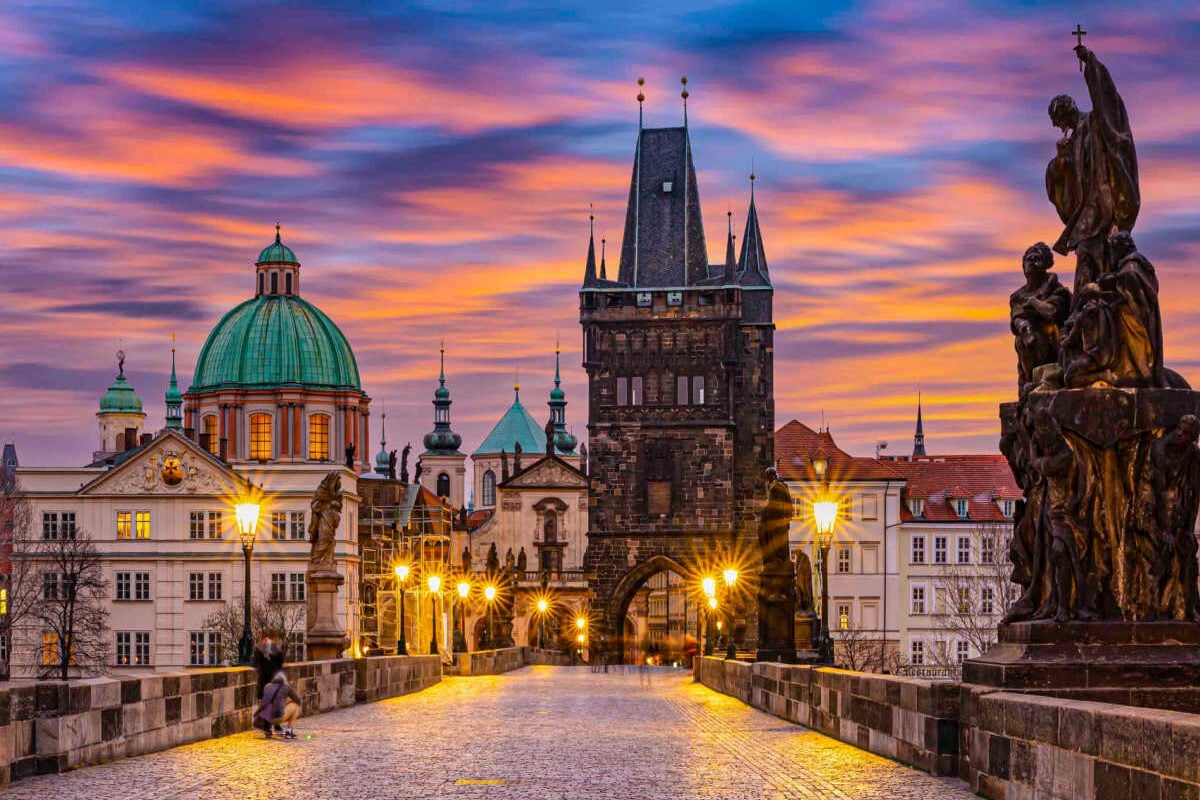
The stone-built Charles Bridge links the Old Town Square, with its twin-spire Church of Our Lady before Týn and that landmark Astronomical Clock, to the Prague Castle district, where you’ll find traditional Czech taverns and cobbled lanes straight out of a storybook.
The quieter side of Prague, however, is the one tourists often miss.
A short train ride out of town will take you to Karlštejn, a charming medieval town dominated by an imposing castle, where tourists have yet to fully catch on.
Dresden, Germany
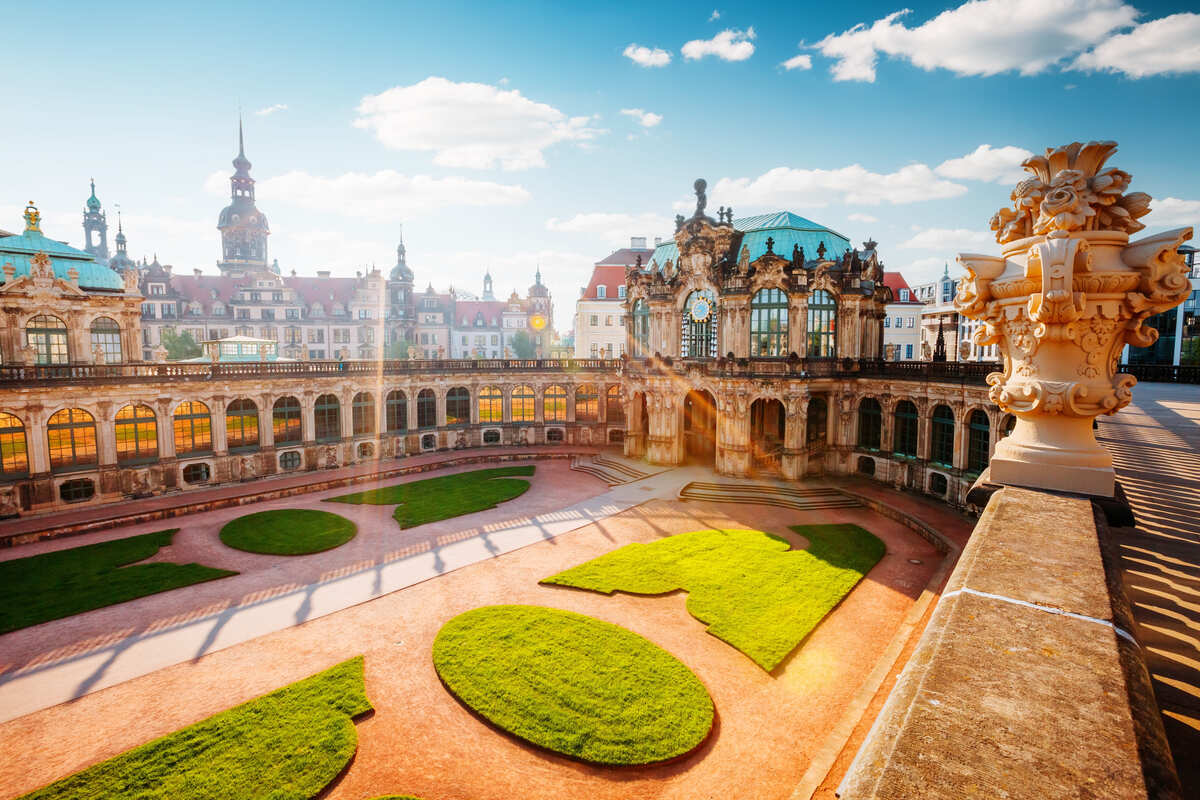
The Florence of the North. The jewel of Saxony. The city that will have you questioning what it was about Berlin or Munich that even had you mesmerized in the first place.
Dresden is known for its grand operas, the palaces that could belong in an imperial era long forgotten, pastel-hued buildings with intricate patterns and lush gardens framed by intricately-carved, angel-topped fountains.
Seriously, the Zwinger Palace is one of the most spectacular complexes you’ll ever set foot in.
And the best part? Unlike Madrid’s Royal Palace or French Versailles, you can walk in for free and explore the gardens, easy as that.
The most shocking bit is that nearly everything you see in Dresden, from the historic city center to the beautiful Frauenkirche in the main square, is largely reconstructed after World War II. Talk about rising again from the ashes.
Weimar, Germany
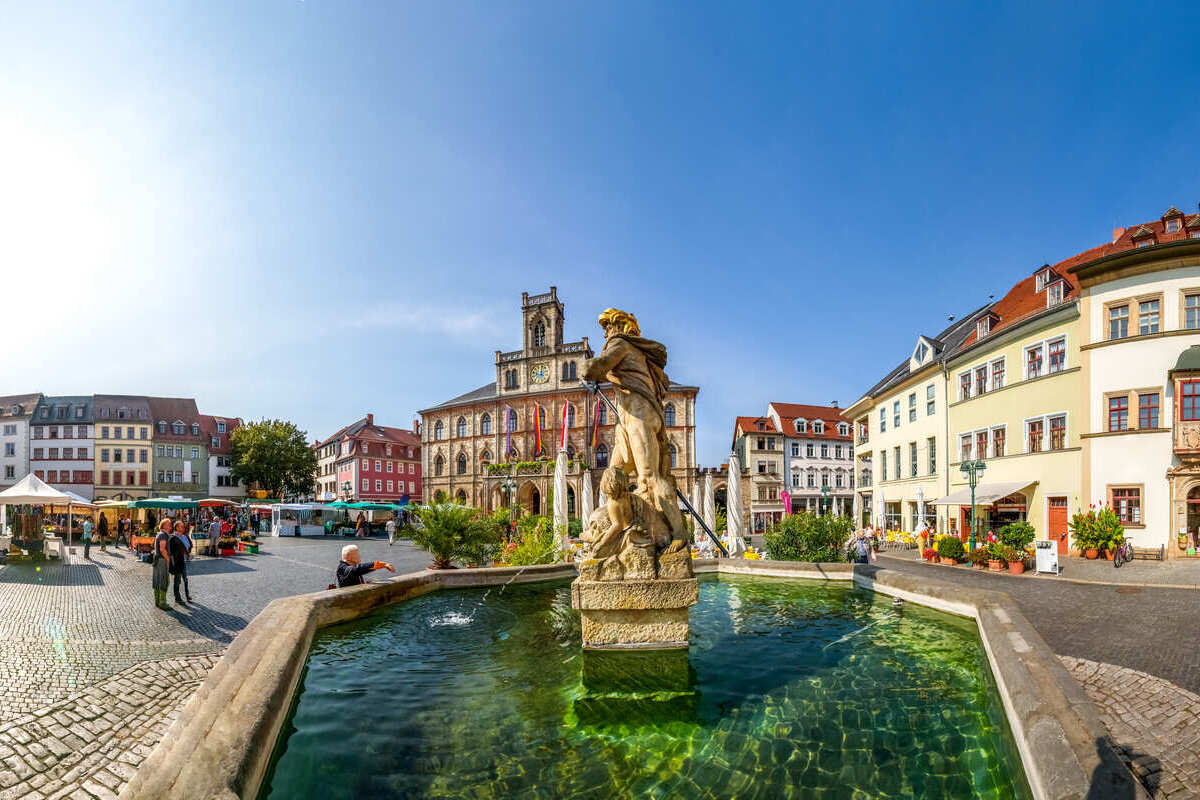
A Thuringian gem where Germany’s first democratic constitution was named after, Weimar is the perfect mid-size cultural break for Baroque squares, pastel-colored townhouses, and that literary legacy that’s hard to match.
Just to jog your memory, the cobblestone pavements you’re walking on are where Goethe and Schiller would have wandered, and in fact, where some of Germany’s greatest literary works were written.
The UNESCO-listed Classic Weimar ensemble, which includes Goethe’s former residence, Schiller’s house, and the breathtaking Duchess Anna Amalia Library, with its intricate stuccowork and centuries-old gilded galleries, is worth the trip there alone.
Whether it’s getting lost in the historic center, sipping coffee in hidden courtyards, or exploring grand palaces, Weimar feels surprisingly intimate, still, and a place where it’s mostly Germans out and about.
Enter your email address to subscribe to Travel Off Path’s latest travel news, straight to your inbox
