

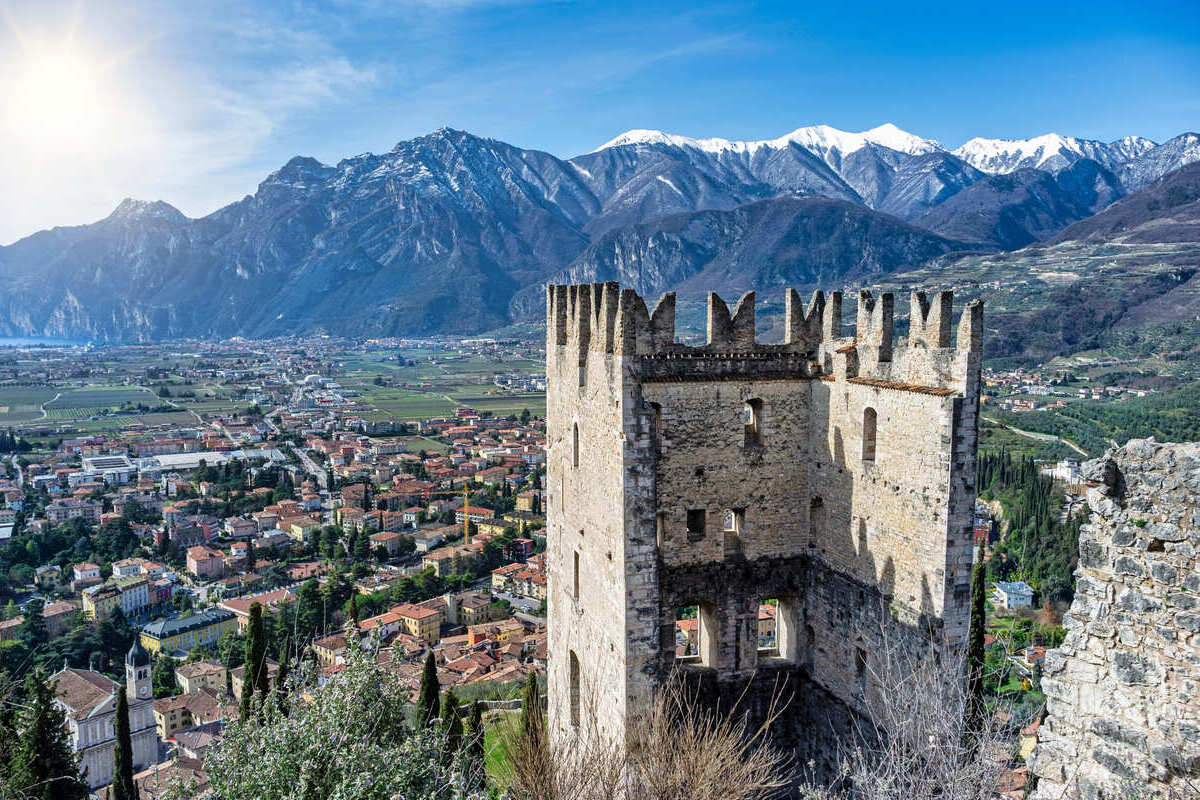
This Region Of Italy Is Known As ‘Mini Switzerland’
When you think of Italy, it’s probably cinematic reels of Vespas weaving along pastel-colored buildings, a lungomare backed by osterie and broken cobblestones, and that azure Tyrrhenian Sea that comes to mind.
That’s a good enough frame, alright, but it’s far from being the whole picture.
What if we told you there’s a lesser-known region in the north of Italy where the Renaissance-era towns give way to Austrian-style dorfs, the rugged coastline scene are replaced by soaring alpine mountains, and instead of stone-built jetties leading down into the ocean, you get crystal-clear lakes instead?
A mini Switzerland, minus the staggering prices.

Italy Away From The Mediterranean
Welcome to Trentino, the Italy you won’t come across often on your social media feed, even though it’s squeezed between two of the country’s trendiest spots right now: Lake Garda and the Dolomites.
Centered around the historic city of Trento, a picture-perfect medieval town dotted with frescoed palazzi and historic spas, Trentino is best known for its mountainous nature, unique Germanic culture, and distinctive cuisine that closely mimics Tyrolean alpine fare.
For real, though, this might well be a part of Austria rather than Italy, proper.
Trentino officially surpassed 20 million overnight stays in 2025, while arrivals exceeded 5.1 million, one of its best years in tourism yet. What are people going there for, you ask?
Well, there’s Trento itself, and then there’s all the pristine lakes, hiking paths, and outdoor activities it offers.

The Quiet Side Of Garda
Perhaps the biggest attraction in this part of Italy is northern Lake Garda. You’ve probably heard of Simione or Peschiera del Garda, two of the top day trips for Milan-based tourists checking out the bucket list sea-like pond.
However, the Trentino chunk of Garda feels strikingly different. For starters, it is backed by the snow-capped peaks of the pre-Alps, giving it a real Swiss vibe minus the Chinese crowds and the hefty price tags.
Riva del Garda is the prettiest base here, with a Venetian-style Old Town, that classic lakeside promenade, and charming cafés galore.
An overnight at one of those cute heritage hotels on the turquoise waterfront, like Hotel Garnì Villa Maria, will cost you around $150, which is pretty cheap for alpine Europe.

For fresh, hand-pulled pasta that will live on your palate long after you’ve bread-mopped every last bit of sauce away, try Pasta Fresca Bistro’ a short walk from the main harbor (typical orders average $15–22).
Before you head to Europe this summer, make sure you check the travel rules that apply to Americans on the Entry Requirements page.
From mandatory fingerprinting upon arrival, to new pending e-Visas that could come into effect as soon as September, there’s a lot you need to stay on top of now as an American citizen traveling abroad.
Alps Views For Days
Trentino is all about getting lost in nature and taking in the mountain views, so there’s no way you’re hitting up Garda without taking the Monte Baldo Cable Car.

Starting from the quaint lake town of Malcesine, it boasts insane lake and alps views as it travels up. Once you’ve made it atop Monte Baldo, some 5,800 ft high, there are beautiful scenic trails to walk, and a handful of rifugi (station eateries) dishing out hearty mountain servings.
The polenta and huge terrace views you can get at La Capannina, near the summit station? Mwah. Chef’s kiss.
A short 25-minute drive from the shores of Lake Garda, there’s this little local secret going by the name of Lake Ledro that very few tourists have heard about. It has crazy-clear waters, it’s way calmer than Garda, and you can swim pretty much anywhere thanks to the many small beaches scattered in pockets along the banks.
Molina di Ledro is the most accessible beach, with easy access, facilities and parking, though if it’s that wild, unspoiled alpine vibe you’re chasing, the pebble-covered Pur, on the southern end of Ledro, is hard to beat.

The Most Beautiful Stretch Of The Italian Alps?
The most famous portion of the Dolomites is claimed by South Tyrol, Trentino’s sister province just to the north. That’s where you’ll find postcard lakes like Braies and Dobbiaco, and the evergreen Val di Funes.
They’re absolutely stunning, but if I’m being honest, they’re probably some of the most crowded nature areas I’ve been to in Europe recently.
And I went in the dead of winter, when it’s supposed to be quiet.
To my surprise, my favorite part of the Dolomites is in fact in western Trentino, where tourists rarely ever dare venture, particularly the Brenta stretch of the alpine range.
Think towering limestone spires, via ferratas—mountainside steel cables you basically cling to as you move through exposed sections—and more emerald-green lakes.

Lake Tovel, tucked away in a lush valley within easy-reach of Trento, was probably the most breathtakingly underrated place I’ve seen on the whole road trip.
Then of course, there’s the star of the show: the Adamello Brenta Nature Park, the largest protected area in Trentino, a short 40-minute drive from Trento (if you’re using the Val Rendena entrance), and a paradise for hikers and casual nature lovers alike.
Glacial valleys, cascading waterfalls that empty straight into turquoise rivers, dense forests framed by year-round snow-capped peaks, and even brown bear sightings.
For those staying overnight in the vicinity of the park, I highly recommend you base yourself at Madonna di Campiglio, a cute little alpine ski town with access to lifts, hiking trails, and within short driving distance of the main valleys.
If you’re wondering how safe Italy is to visit at the moment, it currently scores a respectable 92/100 in the Traveler Safety Index, a live metric based on recent reports by travelers on the ground:
Trentino itself is one of the safest regions to travel in Italy, due to its absence of densely populated areas—the largest settlement, Trento, is home to around 120,000 people—and the largely rural, mountainous character of the wider region.
In pretty much every way, it’s truly Italy’s little “mini Switzerland”, and honestly, it might be one of the country’s best-kept secrets that’s this close to going mainstream.
