

These 4 Medieval European Cities Give You The Most Bang For Your Buck This Summer
Is it just us, or has the medieval city surrounded by ancient walls archetype been effectively co-opted by Dubrovnik lately?
You’ve got Instagrammers to thank for that, and of course, a certain HBO blockbuster series that keeps on milking the hype years after it wrapped up.
As much as we love those teal Mediterranean waters, the coastal fortress vibe, and the history, we’re not exactly thrilled about forking out $35–$50 for every sit-down meal in a jam-packed Old Town, or spending upwards of $300 per night on another shoebox-sized room where the AC unit is barely functional.
If the main thing that keeps drawing us back to Europe summer after summer is that little, fortified gem that looks like a storybook scene, but you literally don’t want to go broke for it, here are 4 underrated medieval cities that give you the most bang for your buck this summer.
PLUS: We’ve created an interactive quiz for you at the end of this article to find your perfect match!
Pontevedra, Spain
A timeless city in Northwestern Spain that looks like it’s frozen in the Middle Ages, in the best way possible, Pontevedra is one of those places the occasional tourist simply won’t stumble upon.
Unless, of course, they’ve set out on the Camino de Santiago pilgrimage to Santiago de Compostela.
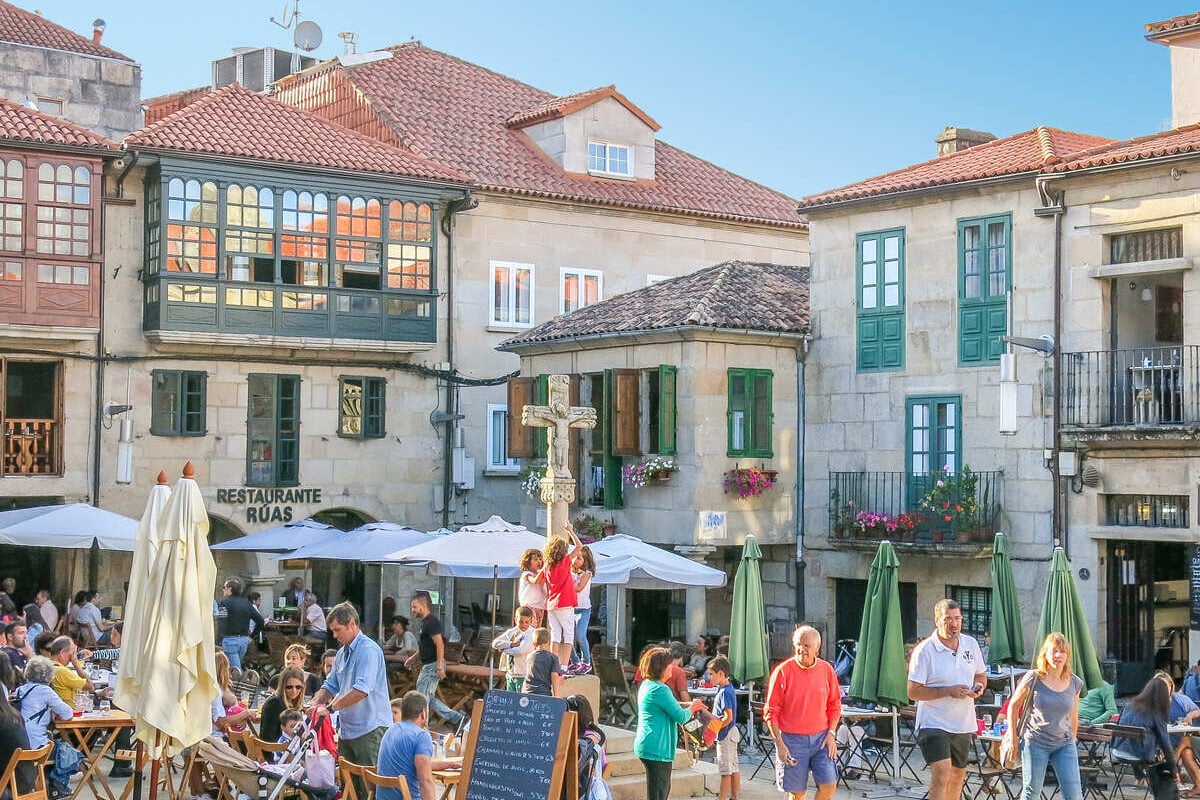
The whole place is a literal open-air museum, full of cobble-paved streets and countless granite squares flanked by arcades, and the best part? Unlike Barcelona or Madrid, where everything seems to exist behind a paywall, most churches and historic monuments are free to visit.
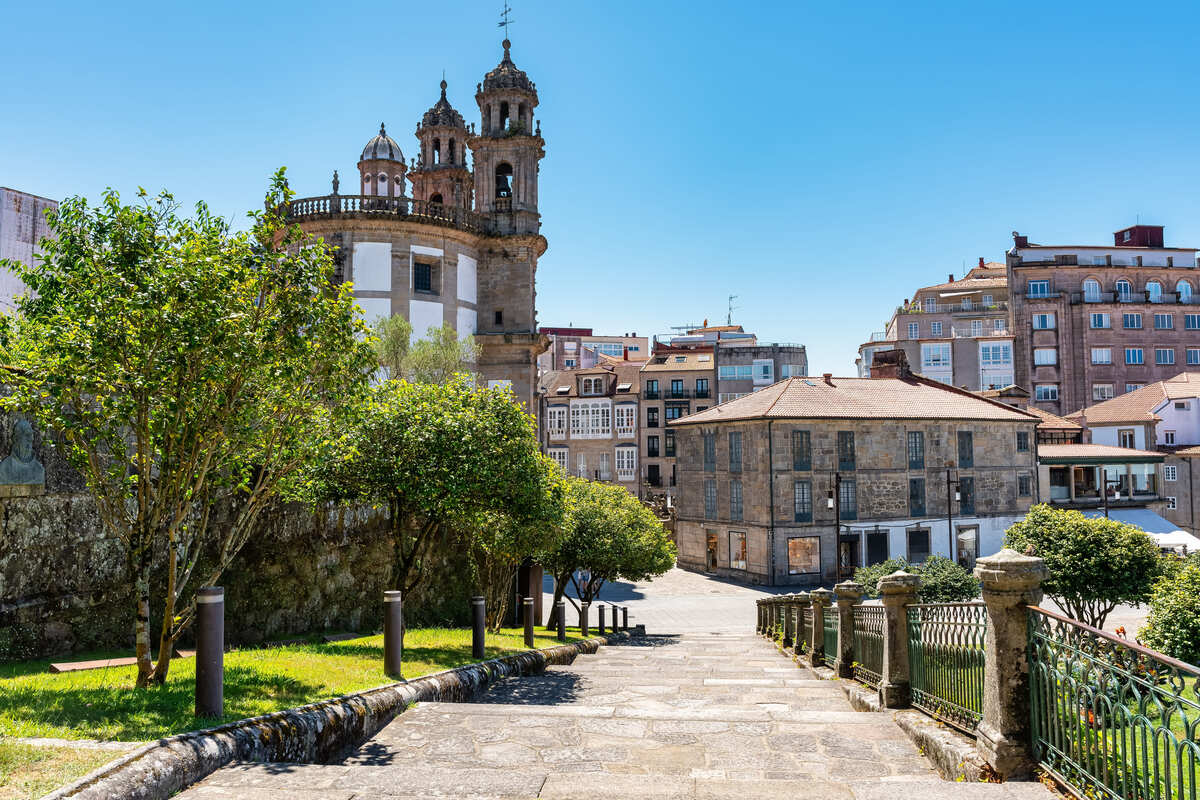
This includes the ruins of the Convent of Santo Domingo, an atmospheric Gothic ensemble with an ornate Plateresque façade that has weathered beautifully over time, and the iconic Church of the Pilgrim Virgin, a Baroque sanctuary dedicated to pilgrims on the Portuguese Way.
Pontevedra is also one of the most affordable destinations in Spain, a country where rising prices and overtourism have rendered the tourist experience increasingly expensive, not to say overwhelming.
You can still get beer from the tap and generous servings of polbo á feira, the local paprika-sprinkled octopus, all for under $10 in just about any tapas bar, while full three-course meals in family-run restaurants average $15–$25.
As far as accommodation goes, private rooms in traditional guesthouses average $60–$90 per night, though if you’re truly on a shoestring budget, beds start as low as $15 in pilgrim hostels (if you’re walking the Camino, some are even free on a first-come, first-served basis).
This summer, Americans can fly nonstop to Santiago de Compostela, which is a short 44-minute train ride to Pontevedra.
Telč, Czechia
Prague is cool, but have you seen how expensive those cramped hotel rooms can be, or how quickly your savings get depleted when those museum fees and castle entry tickets start stacking up?
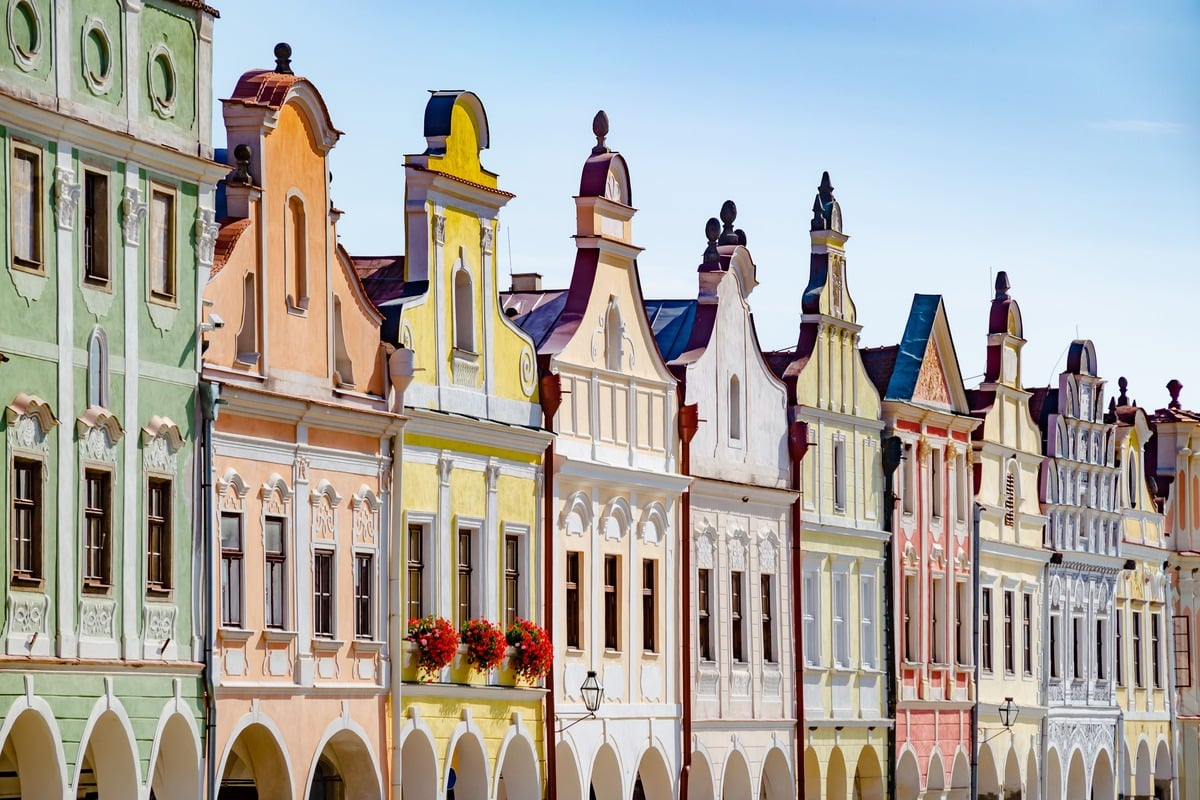
This summer, swap the Czech capital for Telč, a fairytale town in the heart of the country that somehow escaped the brunt of mass tourism.
The easiest way to describe Telč is that it feels like you’ve stepped into a Renaissance painting, and the best thing is, there are very few crowds here. The tourists who do visit are, in fact, mostly Czech locals, so the place feels even more special.
The entire Old Town is a UNESCO World Heritage Site, recognized for its intact, candy-colored burgher houses, all sporting ornate Renaissance and Baroque façades, its labyrinthine layout, and the stately Telč Castle overlooking the whole scene.
Although it definitely looks like somewhere that should come with eye-watering prices, Telč actually remains one of Central Europe’s best-value destinations.
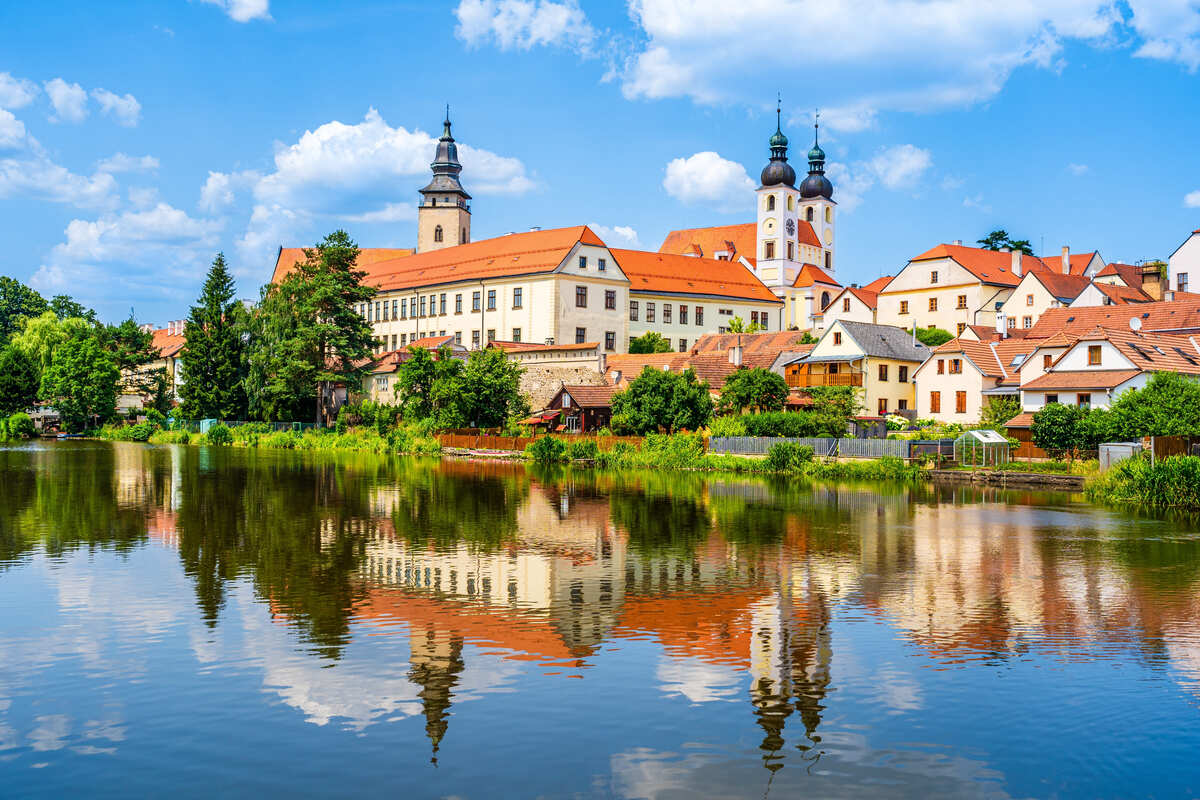
Ordering the hearty Czech classic svíčková in a local restaurant will set you back around $10–$14, while a pint of local lager costs as little as $2–$3. Speaking of food, you can’t leave without trying Panská’s smash burger and house-brewed beer.
If you’ve been left traumatized by those Prague nightly rates, you’ll be glad to hear that, in Telč, there are plenty of charming guesthouses and boutique pensions in and around the Old Town from only $60–$100 per night, and you can even snag budget-friendly deals for around $40 if you book ahead.
Affordability aside, is also super safe for tourists this season, with low levels of crime, and in particular violent crime. Based on traveler reports, it scores 85 out of 100 on the Traveler Safety Index:
Monemvasia, Greece
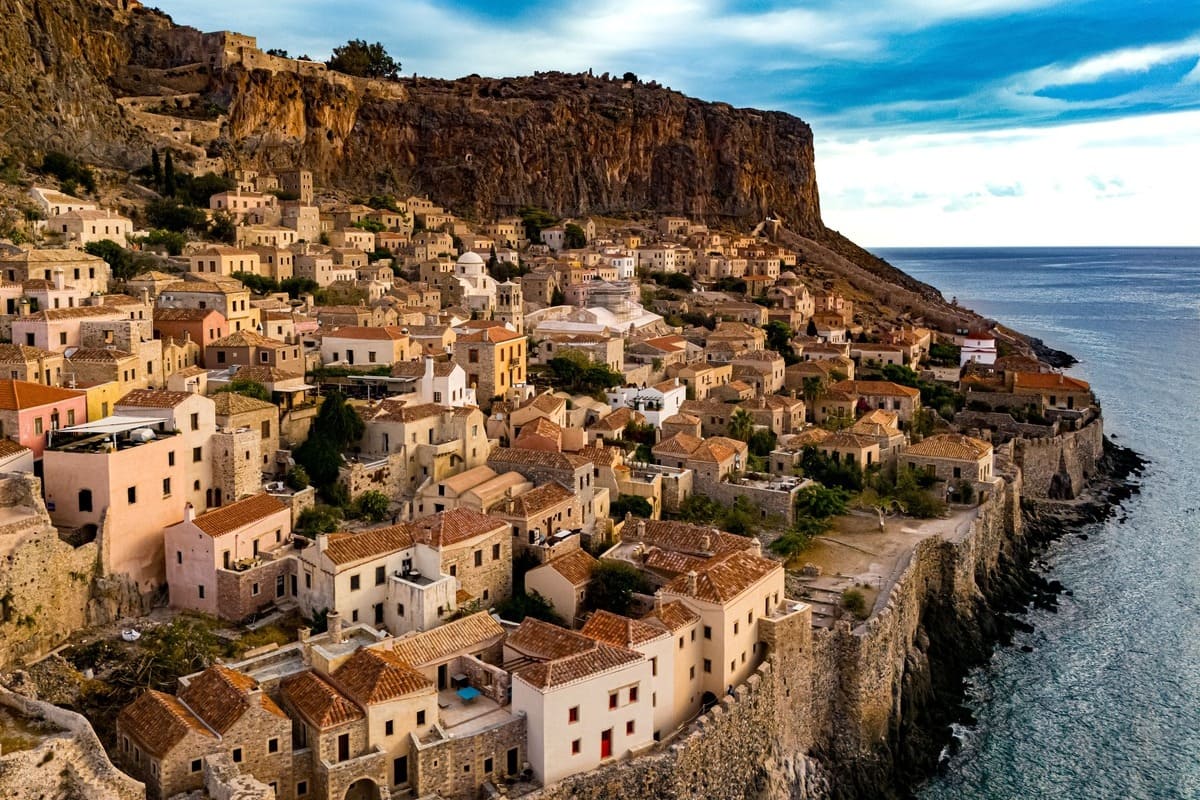
Greek islands are truly paradise on Earth, and after 25 of them myself, there’s truly nothing I love more, but I still feel y’all aren’t giving mainland Greece its laurels, especially places like Monemvasia.
The “Dubrovnik of Greece,” this fully walled, Byzantine medieval town is located on a rocky outcrop linked to the mainland by a narrow causeway, and it’s practically squeezed between a towering rock massif and the azure Aegean Sea.
If you feel like the existence of roads, and the occasional tramway sort of takes away the magic a little, Monemvasia is actually entirely vehicle-free. Yep, cars are left outside the old city gates, leaving you to wander a maze of cobbled lanes, honey-colored stone houses, tiny churches, and flower-draped courtyards.
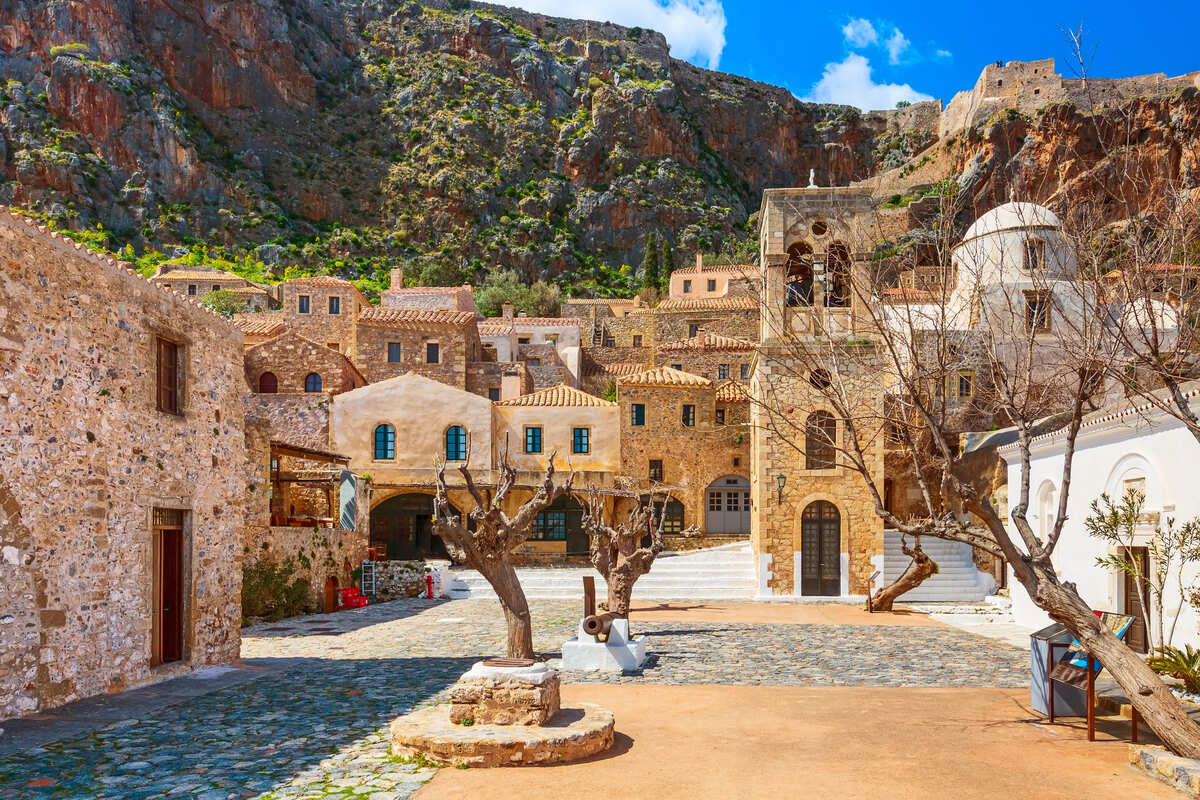
One of the coolest things to do here, other than simply getting lost in the alleyways, is climbing up to the old Byzantine citadel, accessible via a zig-zagging staircase of stone steps, and watching the sunset over town from atop the rock.
The best thing about Monemvasia, though, other than the fact it’s virtually unspoiled, is how refreshingly old-school, ’90s Greece it still feels in terms of prices. A slow-cooked lamb meal in a traditional taverna typically costs around $15, and a glass of the area’s famous Malvasia wine starts at around $5.
Shout-out to Matoula, a longtime local favorite known for its fresh seafood, homemade Greek dishes, and gorgeous terrace overlooking the sea.
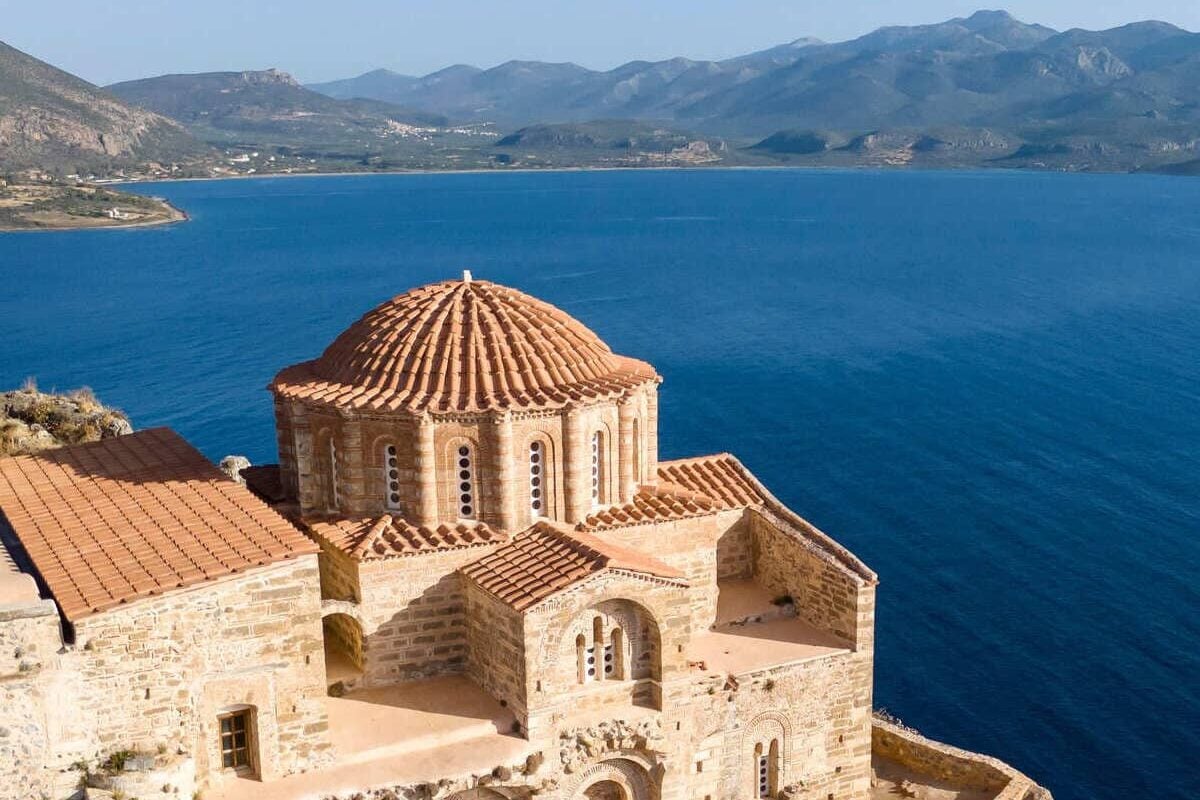
You can stay in one of those cute, stone-built guesthouses inside the medieval fortress for $90–$150 in summer, which isn’t exactly uber affordable, but hey, you’re sleeping in the middle of a massive ancient fortress.
If you don’t mind the short 10-minute walk from the mainland into town, rooms outside the castle walls occasionally dip to around $50.
This summer, Europe changed travel rules for American travelers, and this includes Greece. Now, if you’re traveling to over 30 European countries, you’re subject to fingerprinting and soon enough, a mandatory travel permit.
Stay up to date and prepare for your Transatlantic trip using the Entry Requirement Checker.
Jajce, Bosnia and Herzegovina
Listen, we know everyone’s always banging on about Mostar’s arched stone bridge, and in recent years, Sarajevo has got quite a bit of promo as well, but we’re Travel Off Path, after all.
We’re known for staying a little ahead of the curve.
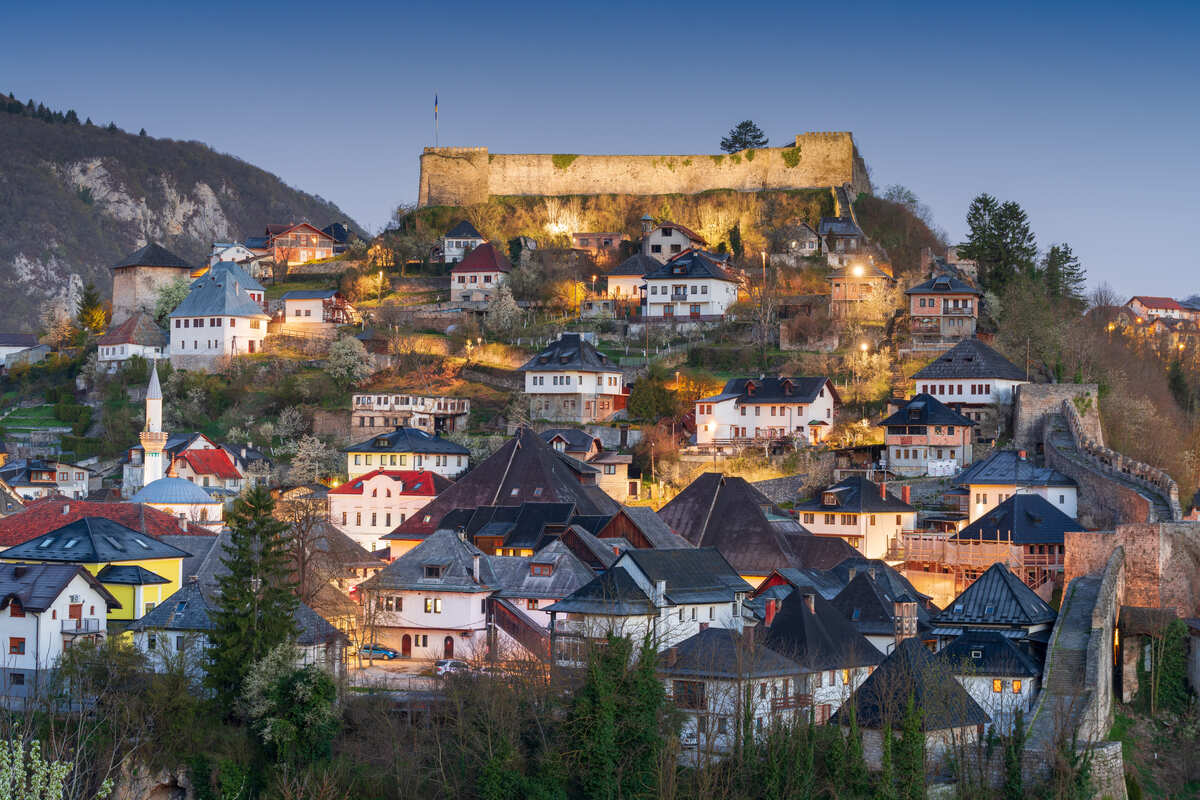
If you’ve been thinking of finally ticking Bosnia and Herzegovina off the list, and it’s those timeless, medieval towns that get your heart going, Jajce should be top priority, perhaps even more so than the relatively popular Mostar.
Perhaps the closest thing this country has to a hilltop fortress town left practically untouched since the Middle Ages, Jajce has the cobble-paved streets, the old stone walls and towers, some of which are in near-perfect state of preservation, and a pocket-sized Historic Center that actually punches way above its weight.
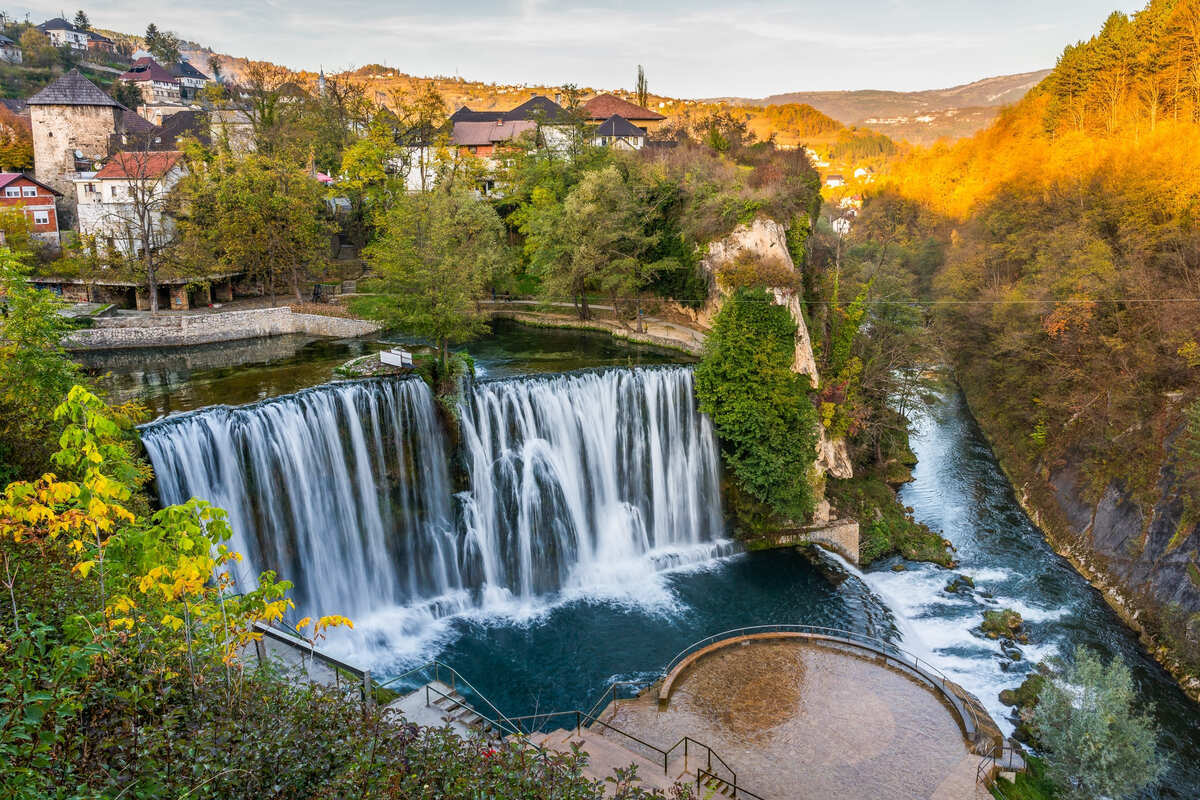
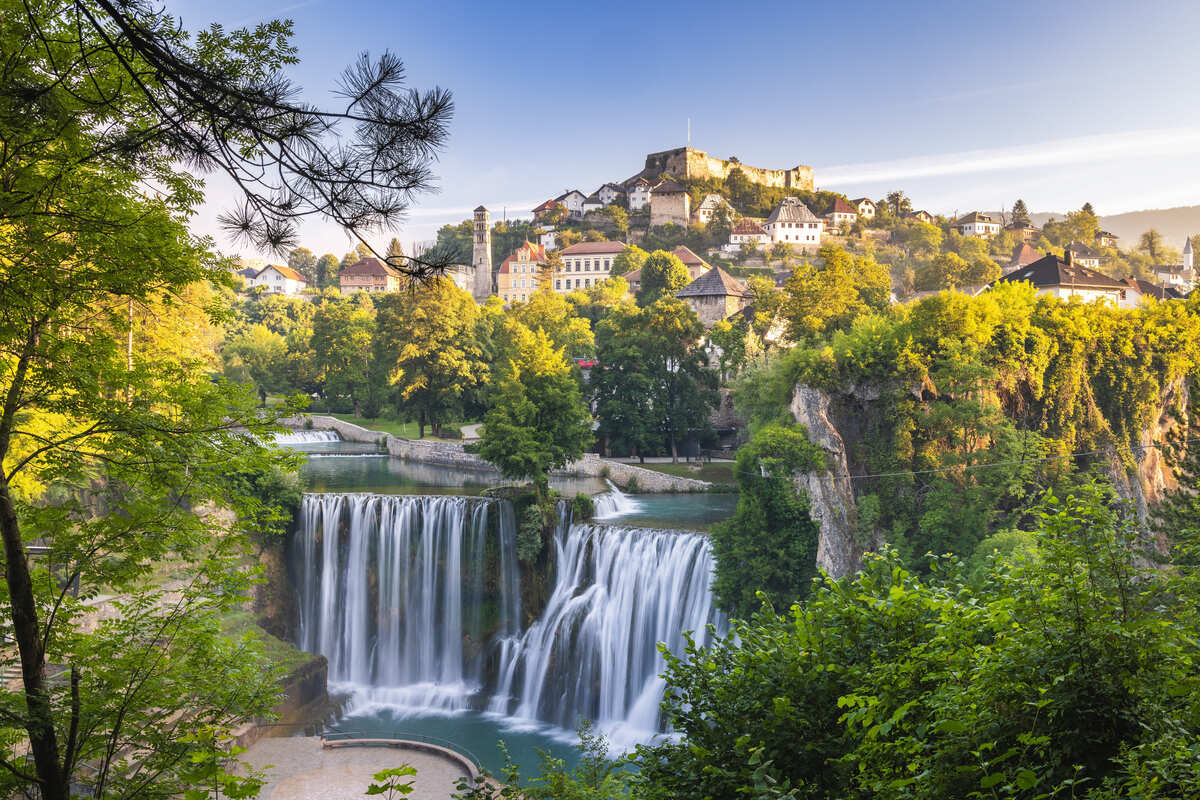
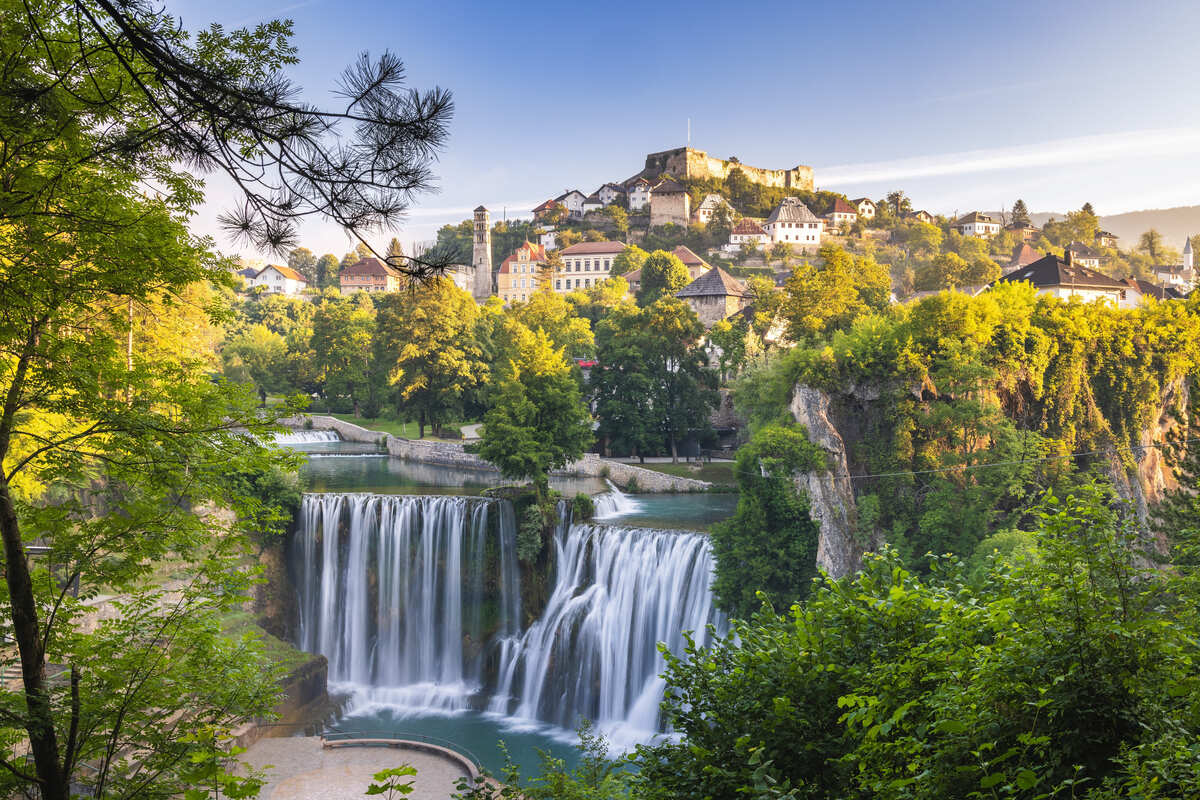
It has a literal set of cascading waterfalls that crash right at the foot of the Old Town, where the emerald-green Pliva and Vrbas rivers converge, and the hilltop fortress and all those red-tiled roofs make the whole thing look like a fairytale set piece.
If budget-friendly travel is your primary reason for visiting Europe this season, oh, you’re in for a big treat here. A generous Bosnian meal—think grilled ćevapi, slow-cooked veal, or fresh trout—costs as cheap as $10–12, and draft beer rarely exceeds $3.
That’s that undeveloped, raw, under-touristed outside-the-European-Union tea for you.
Accommodation is equally easy on the wallet. There aren’t that many full-fledged hotels here, but rather family-run guesthouses and boutique stays, and those range from $45 to $80 in peak season.
Now take this quiz to find your perfect match!
