

I’ve Been To 40 European Countries: These Are The 4 That Surprised Me Most
If you’re a faithful Travel Off Path reader, and you’ve been following my own adventures on here for the past half-decade, you probably know by now I have a soft spot for a little offbeat European gem.
I haven’t done everything, of course, but 40-plus European countries in, from remote Portuguese islands marooned in the middle of the Atlantic all the way east to Russia—and yep, I’ve even been to Ukraine in times of war—I’ve seen a fair bit of the Old Continent.

As much as I’ve enjoyed my time in France (ahem, I actually live in Paris), Italy, Spain, and every other tried-and-true destination you can think of, they rarely give me that same rush anymore.
You know the feeling: forehead pressed against the airplane window, the seatbelt sign flicking on, and that sudden jolt of excitement as a place you’ve never quite figured out, and feels actually foreign, comes into view beneath the cover of clouds.
It’s the lesser-explored corners of Europe that still do that to me. The ones that don’t dominate Instagram feeds, rarely make the casual traveler’s bucket list, and somehow still manage to surprise you when you least expect it.
And I think it’s finally time I gave you my verdict. Here are 4 European countries that surprised me the most—some you probably weren’t expecting to see featured here.
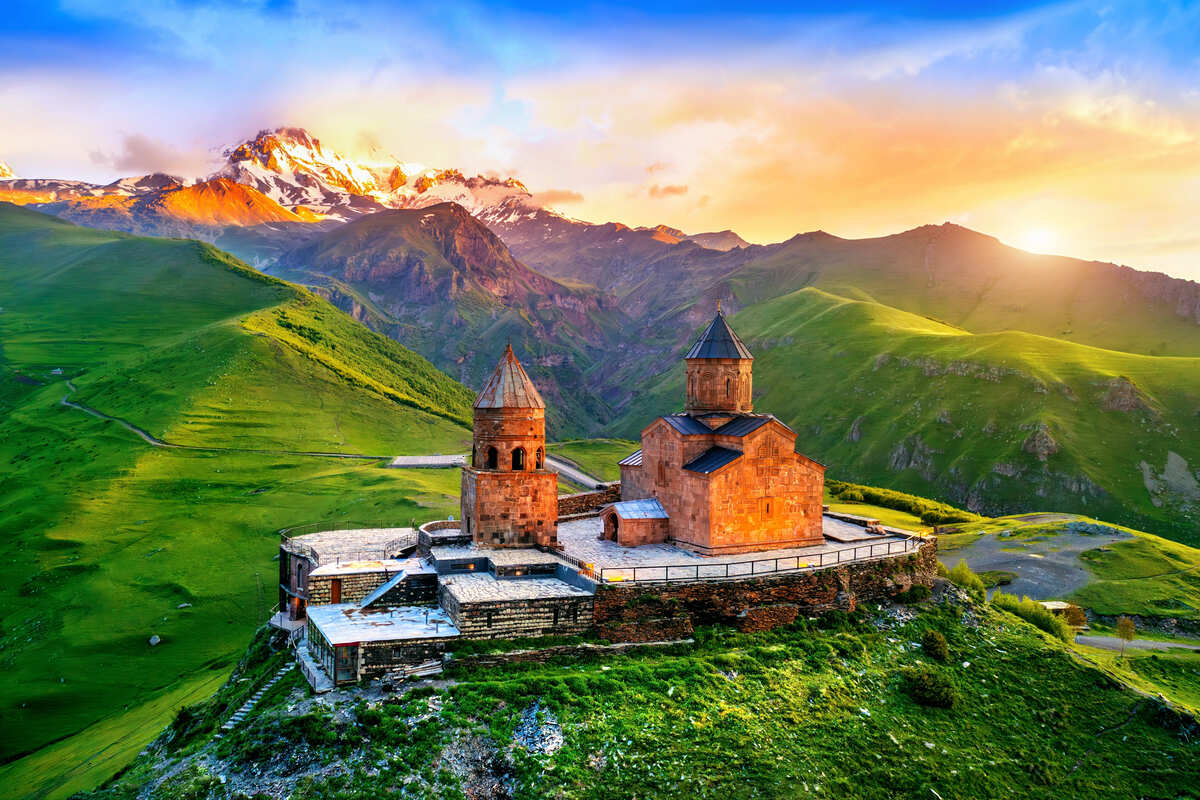
Georgia

We’re starting off with a banger, albeit a controversial one. Some say this is Europe, others say it’s Asia, but I say it’s a bit of both.
Georgia is a tiny nation east of Turkey, south of Russia, hugged by the inky-blue waters of the Black Sea, and with a massively underrated capital to call its own.
Tbilisi feels like a fever dream where Europe, the Middle East, and the former Soviet Union somehow ended up sharing the same block.
From the imposing Narikala Fortress towering above a cluster of medieval balconied houses and townhouses below, to the distinctly Persian bathhouses, and the Russian-era Orthodox churches and typically communist apartment blocks that serve as backdrop, it never quite sticks to one lane, yet that’s precisely what makes it so captivating.
Also, to my fellow digital nomads out there, Coffee LAB Tbilisi is probably my favorite coworking hub in all of Europe (Eurasia, whatever).

I guess it’s lucky for us that Georgia allows most foreigners, including U.S. passport holders, to stay for an entire year visa-free.
In any case, you can always use the Entry Requirement Checker to double-check the travel rules that apply to Americans traveling anywhere in the world.
Georgia’s true magic is found outside its capital city, though, in the dramatic mountains of Svaneti, the rolling vineyards of Kakheti, where you can stay in a literal giant wine amphora with views of snow-capped peaks, and the coastal charm of Batumi.
It’s yet another crazy, eclectic, larger-than-life city lying somewhere between the cutesy charm of a European Old Town with buildings that are Paris-level pretty, and a vibrant skyscraper-dotted coastal metropolis verging on a mini Dubai.
Greece
…But Not The One You Might Know
Most people know Greece for Athens—to be more specific, Plaka and Acropolis Hill—or the world-famous Instagrammable islands that are Mykonos and Santorini. If that was the yardstick I was judging Greece by, it would be nowhere near this list.
The thing is,some 15 trips to Greece later, and 25 Greek islands in, I might have struck gold in a number of spots that keep me coming back for more, year after year after year. It does have about 227 island-destinations, after all, so it’s like the gift that keeps on giving.
Let’s start with Rhodes Town: the capital of the namesake Dodecanese island, and nothing like what you might imagine a Greek island to be.
Out with the whitewashed, cubic houses and blue-church domes, in with the cobbled streets, medieval castles that look like they could belong in France somewhere, and Ottoman minarets.

It’s one of those places that, no matter how many times you visit, you can keep peeling off layers and never quite reach the core.
Then there’s the island of Rhodes itself: lush, mountainous, indented with turquoise bays and with its very own Acropolis… except this one is right by the sea.
Moving on, Mediterranean summers are never quite as idyllic as they feel in Folegandros, this ‘blink and you’ll miss it’ intermediate ferry stop on the way from Santorini to Milos.
It has the most picturesque Chora, with plenty of blue domes and bougainvillea-draped chalk-white corners, and the sunsets atop the Panagia monastery, reachable via a zig-zagging staircase laid by pilgrims centuries ago, are the most beautiful I’ve seen in all of Greece.

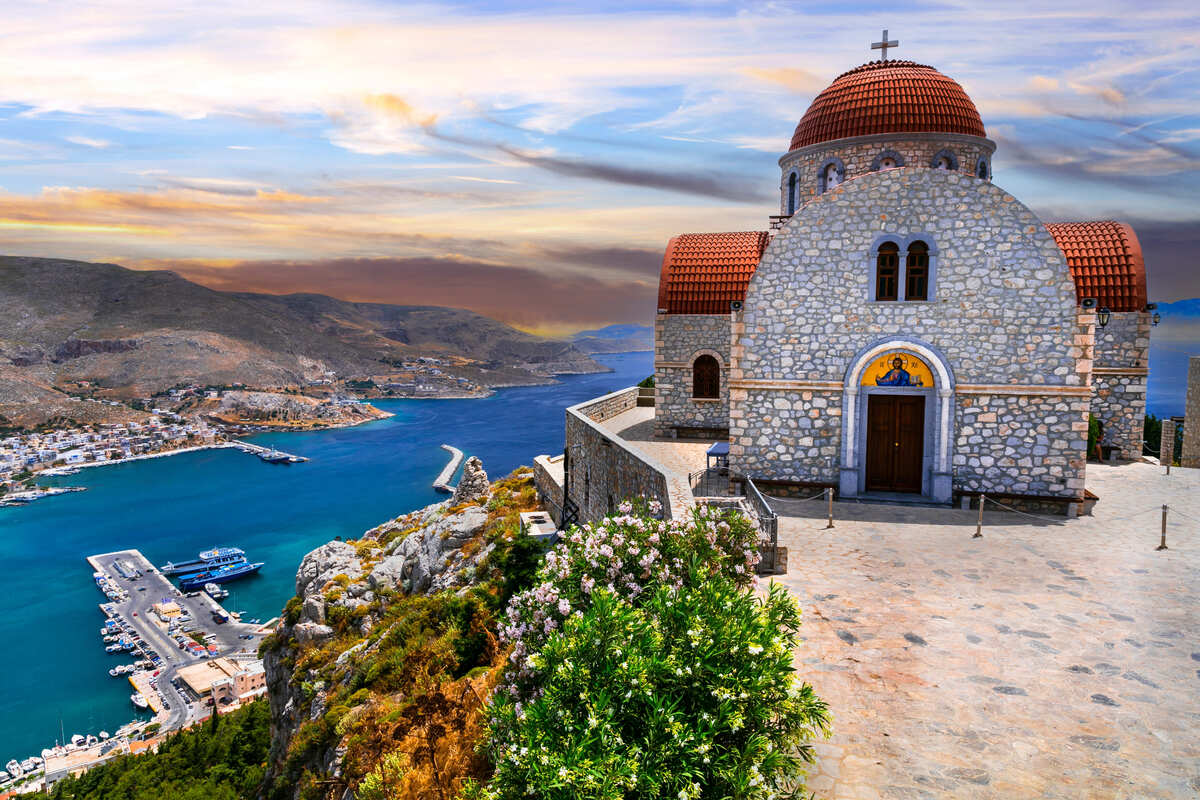
Gosh, don’t get me started on Chios or its perfectly preserved set of inland medieval villages, Kalymnos and that winding Vathy fjord—it might be my new favorite Greek island for the moment?—and all the hidden treasures the Greek mainland holds.
I could go on for an entire 100 pages, but if you truly want to get your mind blown, and you’re a man, make sure you add Mount Athos to your travel wishlist:
A peninsula dotted with historic Byzantine monasteries and monastic communities where only men have been allowed to enter for over 1,000 years.
Poland
One of Europe’s largest yet most overlooked countries, Poland is one of those places I feel most Americans might have vaguely heard of, but never quite bothered looking deeper into.
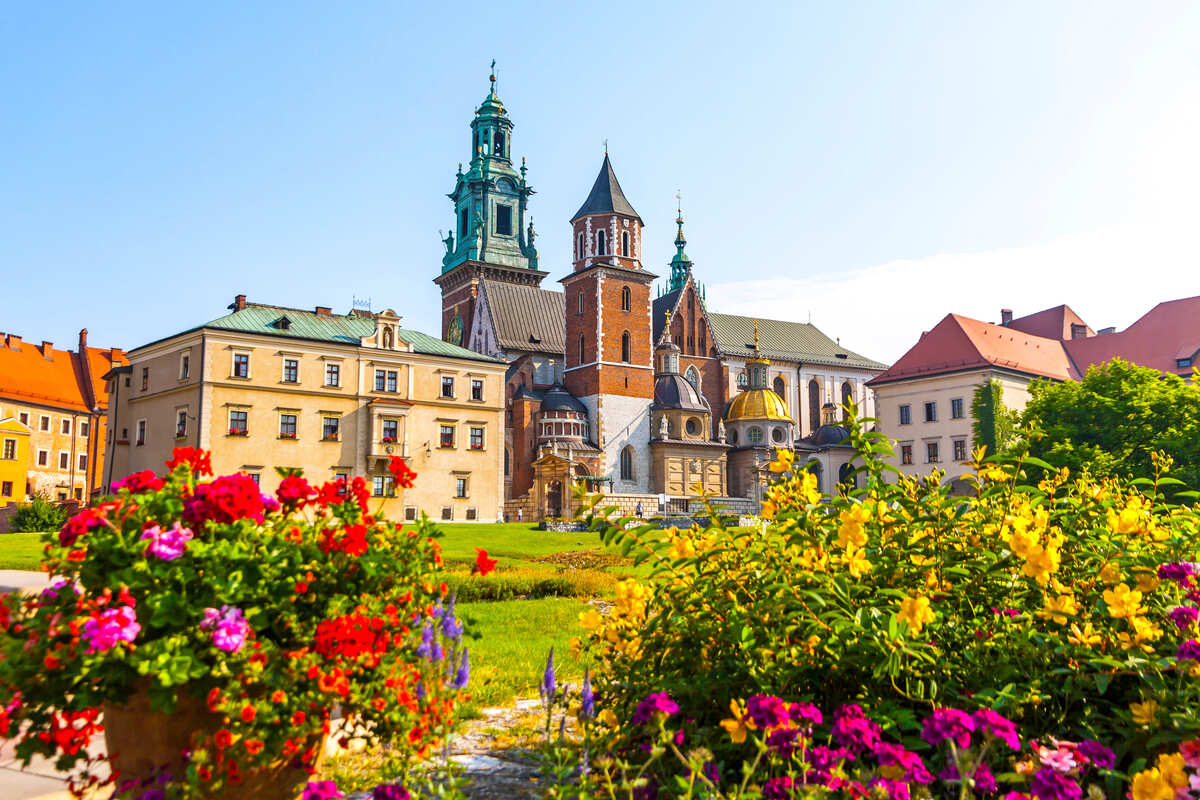
Maybe they’ve heard of Warsaw and its towering skyscrapers, Kraków’s medieval square, the largest one in Europe, and if they’re into World War II, chances are a day trip to Auschwitz is on their itinerary, but Poland is so much more than just its 3 main tourist hubs.
Poland’s true charm lies in its smaller, lesser-known cities, and the stunning nature that might even rival Switzerland’s in beauty, yet tourists are blissfully ignorant of it.
Though it rarely gets a shoutout, Gdańsk, on the northerly Baltic coast, is probably one of the most beautiful cities I’ve visited, with its colorful building façades ornamented in Germanic motifs, red-brick St. Mary’s Church, and virtually intact medieval crane.

Just this year, I kicked off my season of travels in Toruń, a UNESCO-protected medieval gem in the Kuyavia-Pomerania region of Poland, partially surrounded by Hanseatic-era walls, and famed as the birthplace of none other than Nicolaus Copernicus.
That’s the guy who proved the Earth orbits around the Sun, not the other way ’round.
Looking for a quieter, more compact version of Kraków without the tourist buzz? Poznań has an even prettier market square, with a Renaissance cloth hall, and this soaring, fortress-like cathedral that towers above the cobbled lanes and gable roofs.
Poland’s biggest trump card, though? Lo and behold, the Tatra mountain range.
This national park sits among the most dramatic mountain scenery I’ve seen on the continent, up there with the Swiss Alps, the Scottish Highlands, and the fjord-traversed Norwegian mountains.

It’s dotted with hiking trails, crystal-clear alpine lakes, including the famous Morskie Oko, and Rysy, Poland’s highest peak.
Last but not least, I love how Poland feels distinctly safer than most of Western Europe these days. Whether it’s on a night out in downtown Warsaw or walking a poorly lit street in the most random, sleepy Polish village, I know for a fact I won’t get jumped by a thug wielding a knife.
You don’t need to take my word for it.
Just check Poland’s near-perfect score of 94/100 on the Traveler Safety Index, the main benchmark for gauging safety levels across different countries, as it’s based on first-hand reports by travelers themselves.
Kosovo

Kosovo’s one of those places that’s been living rent-free in the back of my mind ever since we put out that now-infamous ‘day trip to one of Europe’s poorest countries‘ story a few years back. As much as it was fun to write, I do admit I kind of regret naming it that way.
Kosovo’s less-than-impressive GDP is the least interesting thing about it.
I’ll assume it’s not a country you’re completely unaware of, especially after years of mainstream pop stars like Dua Lipa and Rita Ora proudly waving their Kosovar flag, but just in case you’ve never felt the impetus to dig deeper, allow me to introduce you to Europe’s youngest nation-state.
Born only in 2008, at that.
Kosovo gained its independence from Serbia only 18 years ago, and it’s still finding its footing in a rapidly changing world, but if there’s one thing that remains virtually unchanged, it’s how Pristina was, and still is, Europe’s most energetic, forward-looking, youth-driven capital.

I mean, the average age is only around the early 30s, and though the city isn’t exactly, ahem, Vienna-pretty, the thriving café scene, spearheaded by people our age, the creative arts movement, music festivals that went from being the backwater alternative to your Coachellas and Glastonburys to some of Europe’s most sought-after summertime events.
Just the whole bubbling, start-up-friendly, entrepreneurial feel of it make Pristina utterly fascinating.
Perhaps most surprisingly, I also couldn’t believe how affordable Kosovo is. I’m talking full sit-down, three-course dinners for $12–$15, and beautiful modern units for short-term rental averaging $40–$60 per night.
Then there’s Visoki Dečani, a short 40-minute drive out of town.
A UNESCO-protected Serbian Orthodox monastery with some of the most spectacular Byzantine frescoes I’ve seen, and hon, I’ve been up and down, and left and right around the Balkans.
Prizren is just the cherry on top:
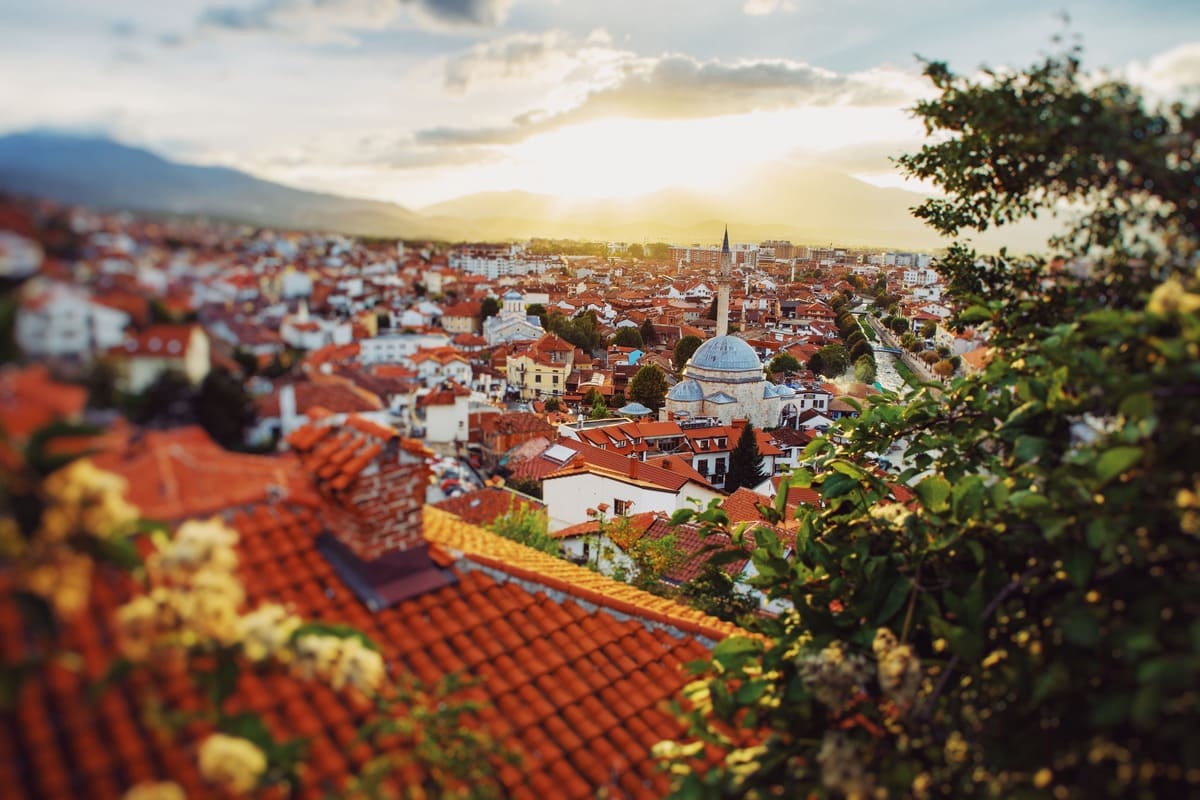
Lying some 50 miles southwest of Pristina, this storybook Ottoman town is cut through by a fast-flowing, emerald-green river, spanned by historic stone bridges and with historic minarets to top it off. It’s almost as if Istanbul and Mostar had a baby.
The best part about Kosovo?
You get all this amazing heritage and scenery, and very few crowds.
