

4 Of The Safest European Countries Worth The Splurge
We’re sure you’ve come across some of the horror stories coming out of Europe lately.
Whether it’s the surge in street crime in London or the increasingly sophisticated scams targeting tourists in Paris, it’s easy to wonder whether the Old Continent is even worth emptying your savings account for, only to get pickpocketed on the metro… or worse.
Europe is changing faster than most people realize, and unfortunately, prices aren’t exactly heading in the opposite direction.
Despite feeling noticeably less carefree than it did only five years ago, a week in London will now likely cost you nearly twice as much, while that dreamy dinner beneath the Eiffel Tower at the Michelin-starred Jules Verne comes with the added bonus of elbowing your way through souvenir hawkers, aggressive clipboard scammers, and shoulder-to-shoulder crowds before you even reach the entrance.
Not exactly the elegant, postcard-perfect Europe you’ve been saving up for.
Thankfully, it’s not all doom and gloom.
These 4 highly developed, very-safe European countries may not be the obvious crowd favorites, but if you’re asking us, they’re every bit as worthy of a spot on your bucket list, and yes, they’re absolutely worth the splurge.
Malta
The latest Mediterranean addition to United’s route map, Malta is one of those tiny, dot-sized European countries you probably wouldn’t notice unless you were specifically looking for it on a map.
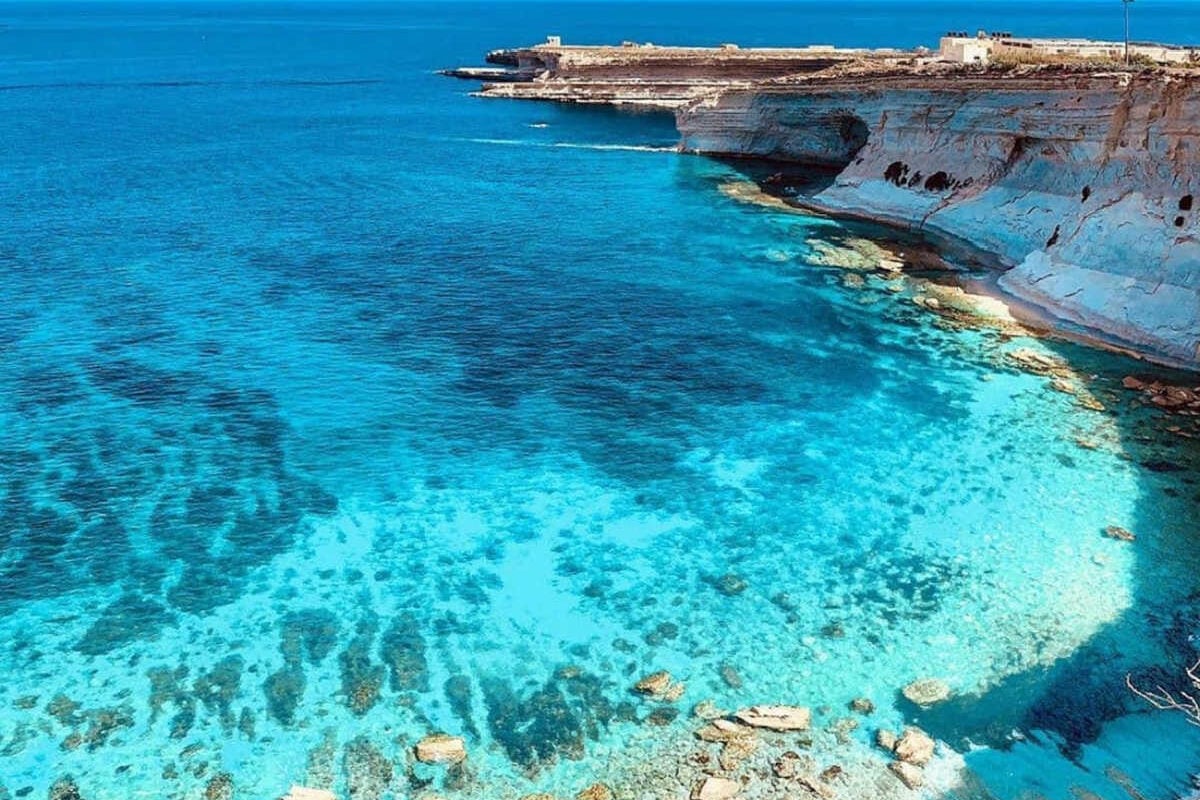
Just south of Sicily, it’s a trio of islands bathed by the turquoise Mediterranean, with an unusually high concentration of sandy beaches, hidden coves, and postcard-perfect towns packed into barely 120 miles of combined coastline.
Malta isn’t exactly news to Europeans, especially our British friends, who’ve been flocking to St. Julian’s for stag dos and beer-fueled weekends for decades, but it’s still largely under the radar for Americans.
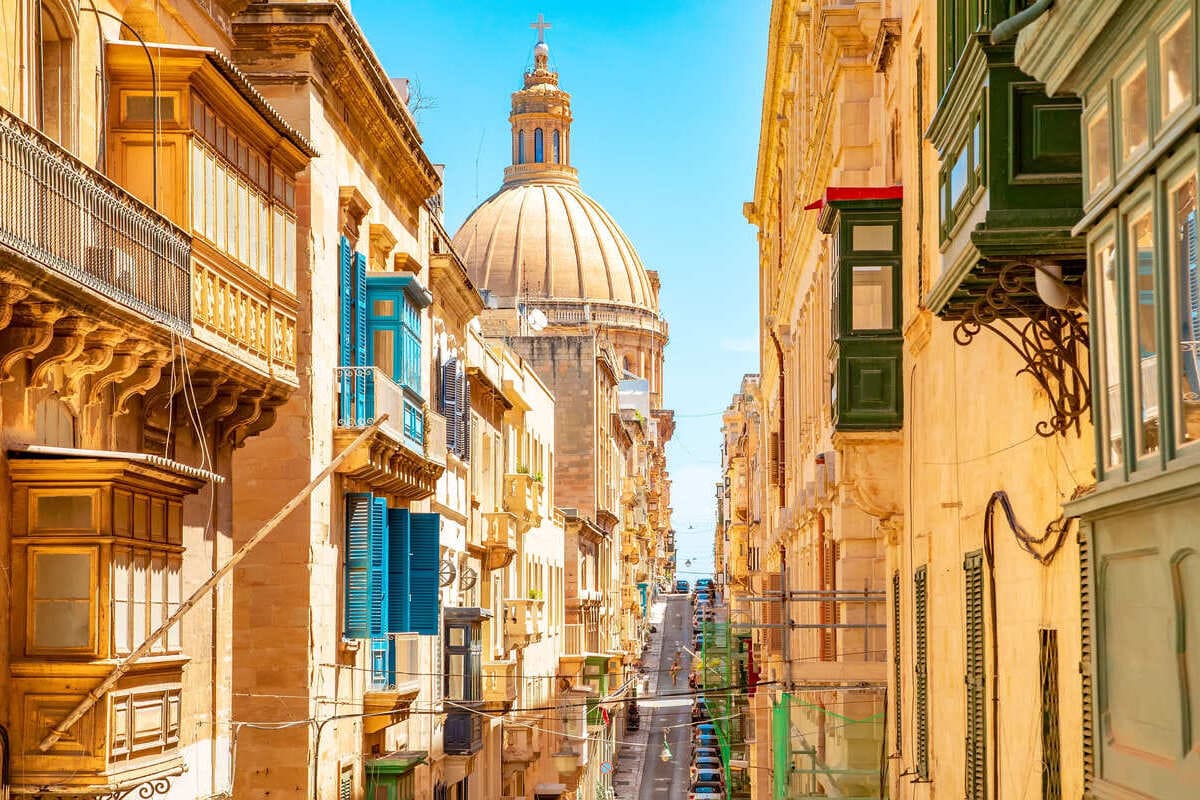
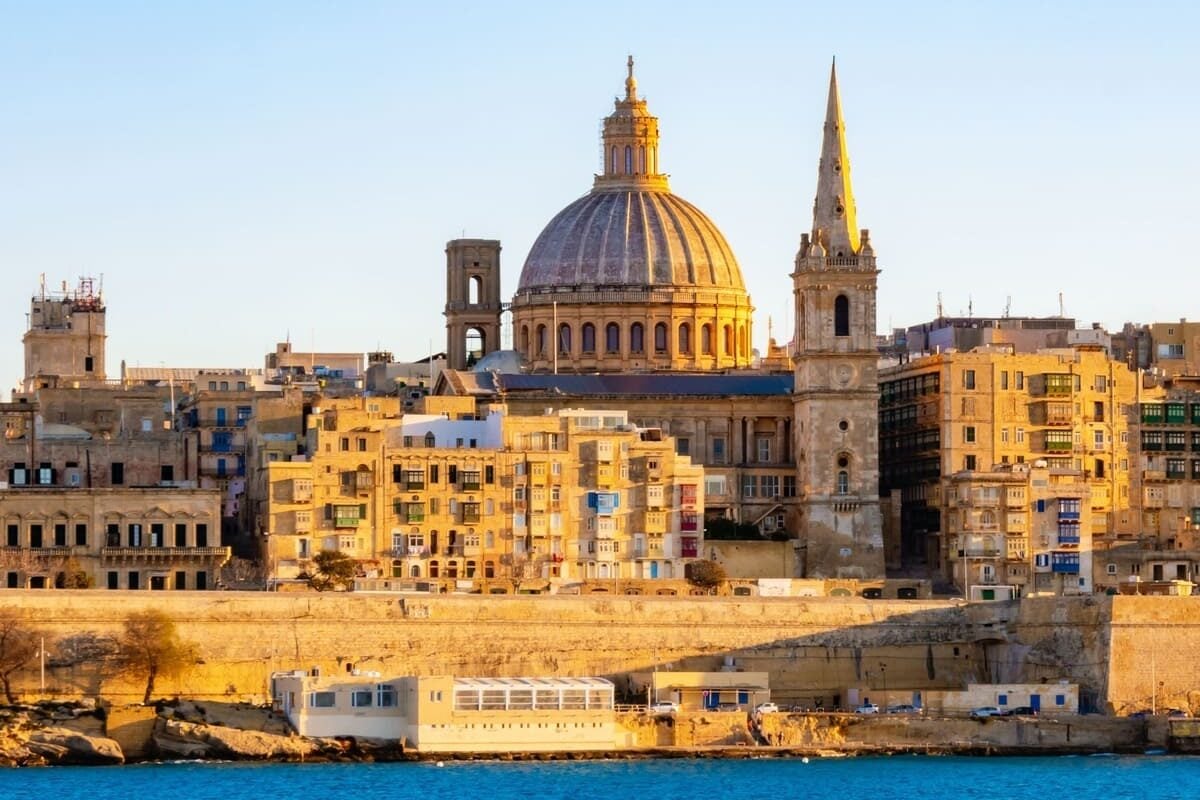
Valletta, Europe’s smallest capital, is a maze of steep staircases, tiny piazzas, colorful enclosed balconies, Baroque churches, and the occasional red telephone box left behind from British rule, while inland, Mdina, the “Silent City,” is a perfectly-preserved medieval gem where the honey-colored buildings are older than your country.
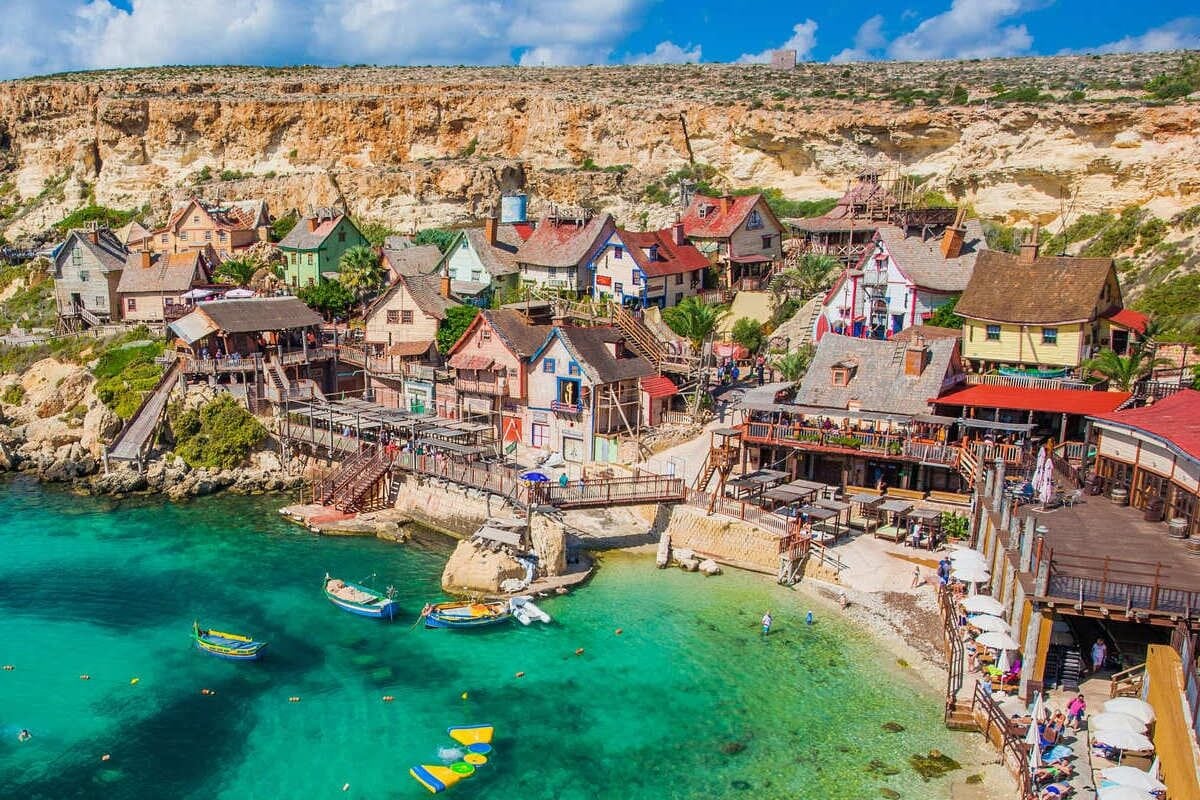
If it’s the beaches you’re after, Golden Bay rarely disappoints, and Popeye Village—the former film set turned seaside attraction—is worth a stop, but if you’re asking us, the best way to experience Malta is by staying on quieter, far more exclusive Gozo.
The Kempinski San Lawrenz is the island’s standout luxury stay, and the ultimate flex is chartering a private boat to Comino’s Blue Lagoon, where the water is such an unreal shade of Gatorade blue you’ll be questioning whether your eyes are playing tricks on you.
Average Prices In Malta
- 3-course dinner for 2 at a good mid-range restaurant + wine: $100–160
- 4-star hotel: $180–350/night
- 5-star hotel: $350–700/night
- Luxury suite / sea-view suite: $700–1,500+/night
- Private boat charter (half day, skipper, Comino/Blue Lagoon): $400–700
- Private guided tour (Valletta, Mdina, Gozo, etc.): $250–500/day
- Private airport transfer: $50–120
How Safe Is Malta?
As a hard-to-reach, relatively wealthy island state, where there isn’t a single major metropolitan area and the 574,000+ population is spread across small, close-knit towns and villages, Malta is largely insulated from many of the issues affecting mainland Europe.
In other words, pickpockets don’t exactly have much incentive to operate here, especially when there’s nowhere to disappear to.
The U.S. Department of State lists Malta as a Level 1 destination, the safest rating a country can receive, meaning Americans should exercise only “normal precautions” when visiting.
Recent visitor reports on the Traveler Safety Index also give it a score of 91 out of 100, placing it among the safest destinations in Europe.
Estonia
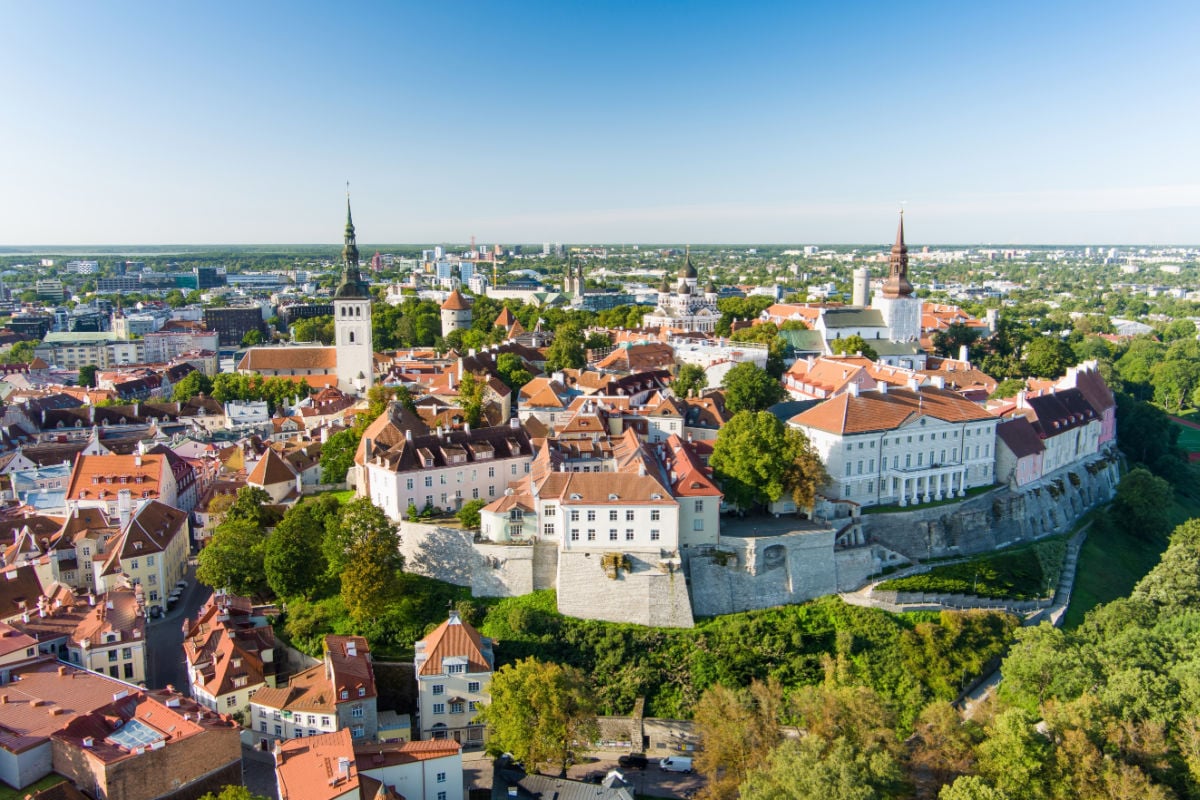
Little did you know Europe’s most beautiful fairytale capital isn’t tucked away in the postcard-perfect corners of Western Europe, but in the lesser-known Baltic nation of Estonia.
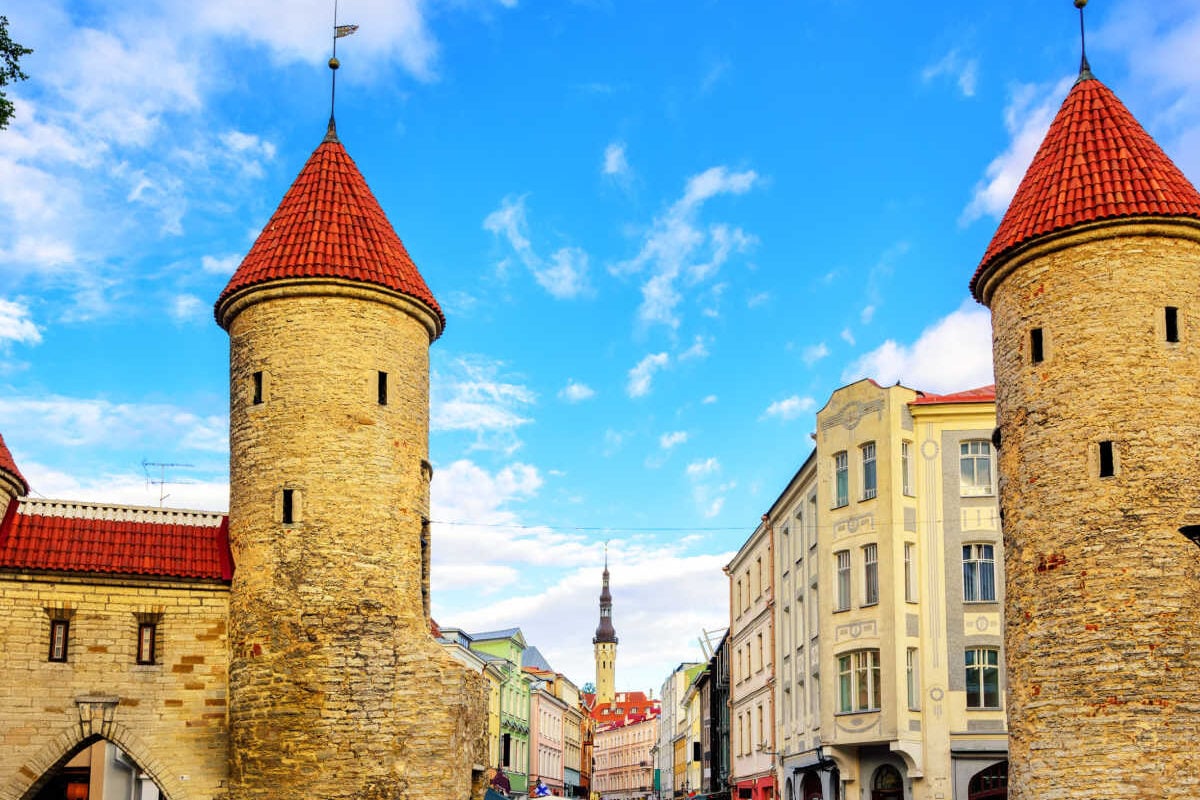
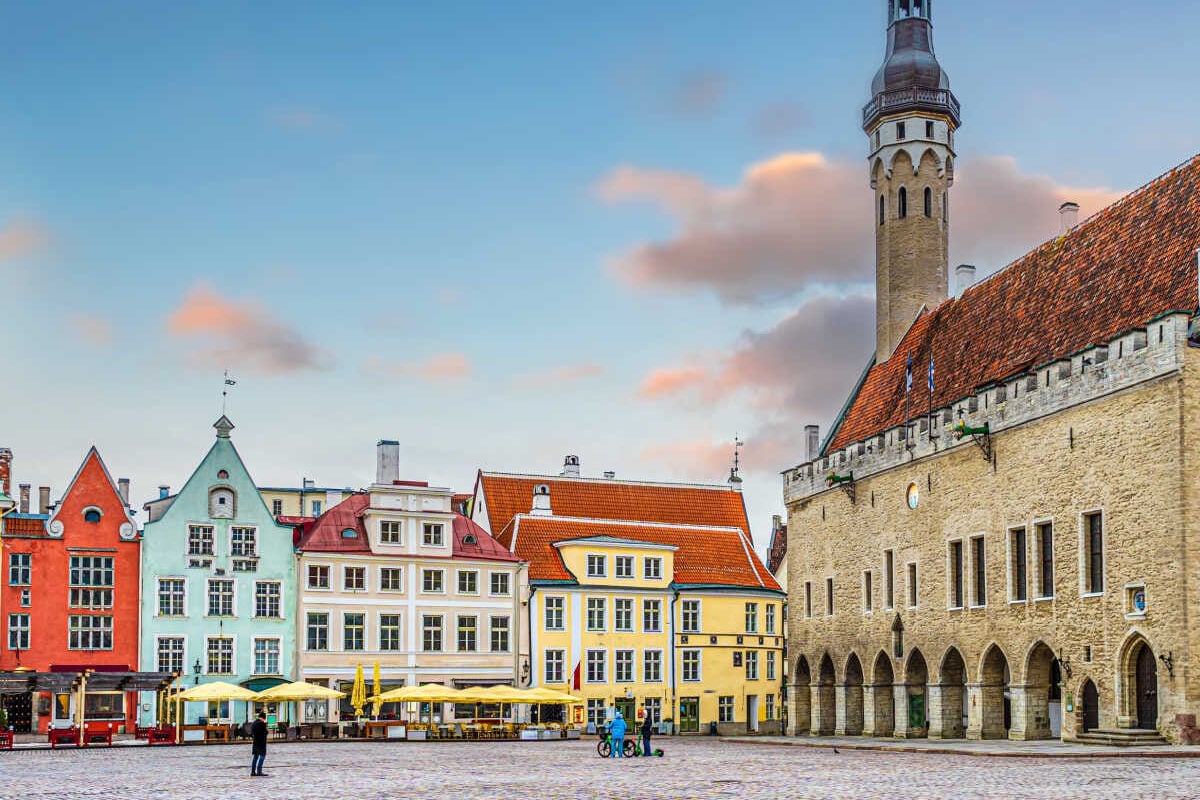
Welcome to Tallinn, a UNESCO-protected maze of cobbled lanes, medieval towers, and pastel-hued merchant houses that feels like it was pulled straight out of a storybook.
Tallinn is a destination in its own right, and a surprisingly elevated one at that. The perfect base to soak up the atmosphere is Hotel Telegraaf, a 5-star retreat in the heart of the Old Town, or Schlössle Hotel, a boutique luxury hideaway surrounded by centuries-old charm.
Lounge in the spa, indulge in the hotel’s fine dining, and wake up refreshed before spending the day wandering hidden courtyards, medieval walls, and the atmospheric streets of Estonia’s capital.
Once you’ve exhausted your sightseeing checklist in Tallinn, take things up a notch with a private Baltic Sea yacht charter, champagne in hand, cruising along the coastline toward Finland and exploring the tiny islands scattered around the city’s shores.
If you think Eastern Europe is all about budget getaways and stuffing yourself with $5 goulash until your wallet survives another day, Estonia might come as a surprise.
Yes, it’s one of Europe’s easternmost countries, bordering Russia and sharing the Baltic Sea with Latvia and Lithuania, but its living standards, infrastructure, and prices often put it closer to the Nordic world than the rest of Eastern Europe.
Average Prices In Estonia
- 3-course dinner for 2 at a good mid-range restaurant + wine: $80–140
- 4-star hotel: $120–250/night
- 5-star hotel: $250–500/night
- Luxury suite / Old Town view suite: $500–1,000+/night
- Private Baltic Sea yacht charter (half day, skipper, Tallinn islands/coast): $500–1,000
- Private guided tour (Tallinn Old Town, Kadriorg, Lahemaa, etc): $200–450/day
- Private airport transfer: $40–80
How Safe Is Estonia?
Similarly to Malta, Estonia currently ranks at Level 1 according to the U.S. Department of State’s travel advisory system, the safest category possible.
It has extremely-low levels of violent crime, limited urban disorder compared with many European capitals, and a strong sense of social trust and cohesion.
Yes, Estonia does share a border with Russia, and tensions have increased due to the wider geopolitical situation, but beyond occasional diplomatic provocations and heightened security measures, the country has not been directly pulled into the conflict.
On the Traveler Safety Index, Estonia currently scores an impressive 85 out of 100, with the only reported concern being ‘discrimination’.
And listen, Eastern Europeans aren’t always known for their instant warmth toward strangers, especially compared with their more outwardly friendly Western counterparts, but once you break through that famously reserved exterior, you’ll often find some of the most loyal, genuine people you’ll meet anywhere.
Faroe Islands
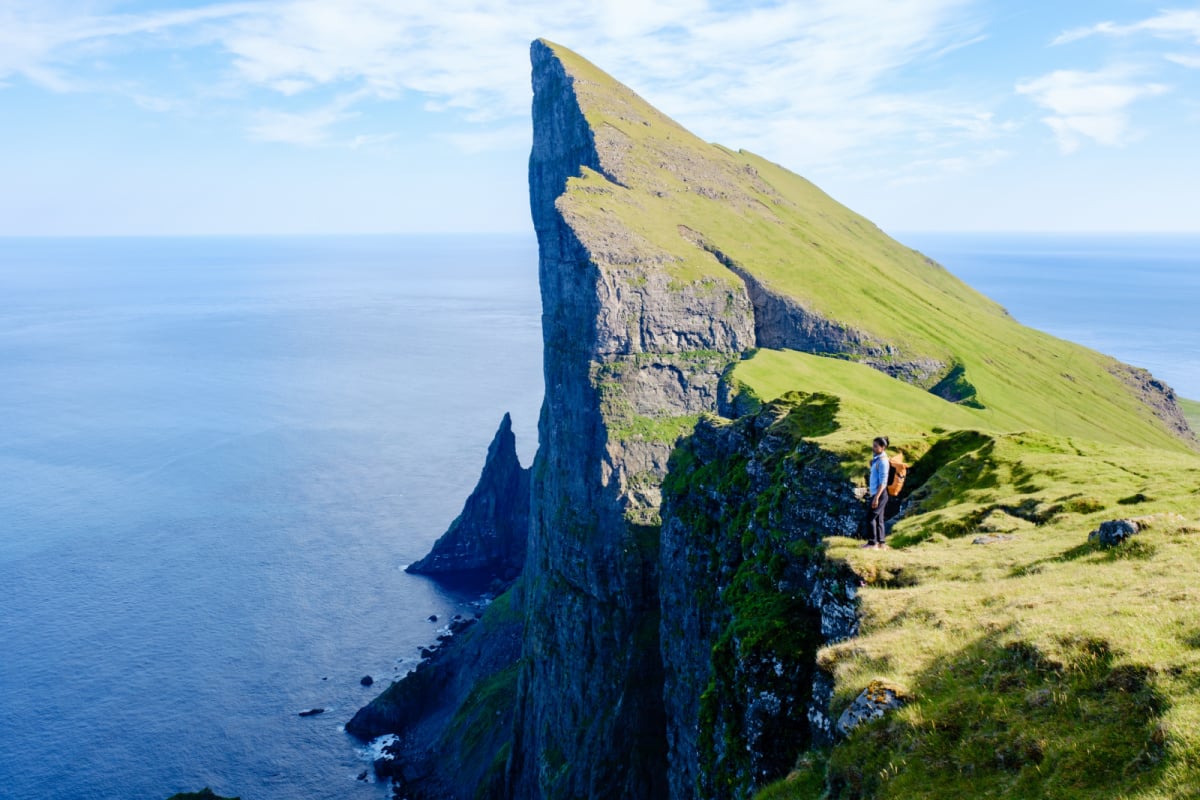
One of Europe’s most remote and dramatic island getaways, the Faroe Islands are an otherworldly archipelago where towering emerald mountains plunge straight into the stormy North Atlantic, tiny villages with grass-roofed houses cling to the coastline, and waterfalls appear out of nowhere, often cascading straight into the sea.
It’s a bit like Scotland or Iceland, which, by the way, sit roughly 450 and 600 miles away respectively, with the Faroes floating somewhere between the two.
But while those destinations have become the entry point to the North Atlantic wilderness, these islands still feel genuinely wild, remote, and untouched.
The perfect base to experience it all is Tórshavn, the surprisingly charming harbor capital, surrounded by fjords and steeped in Viking history.
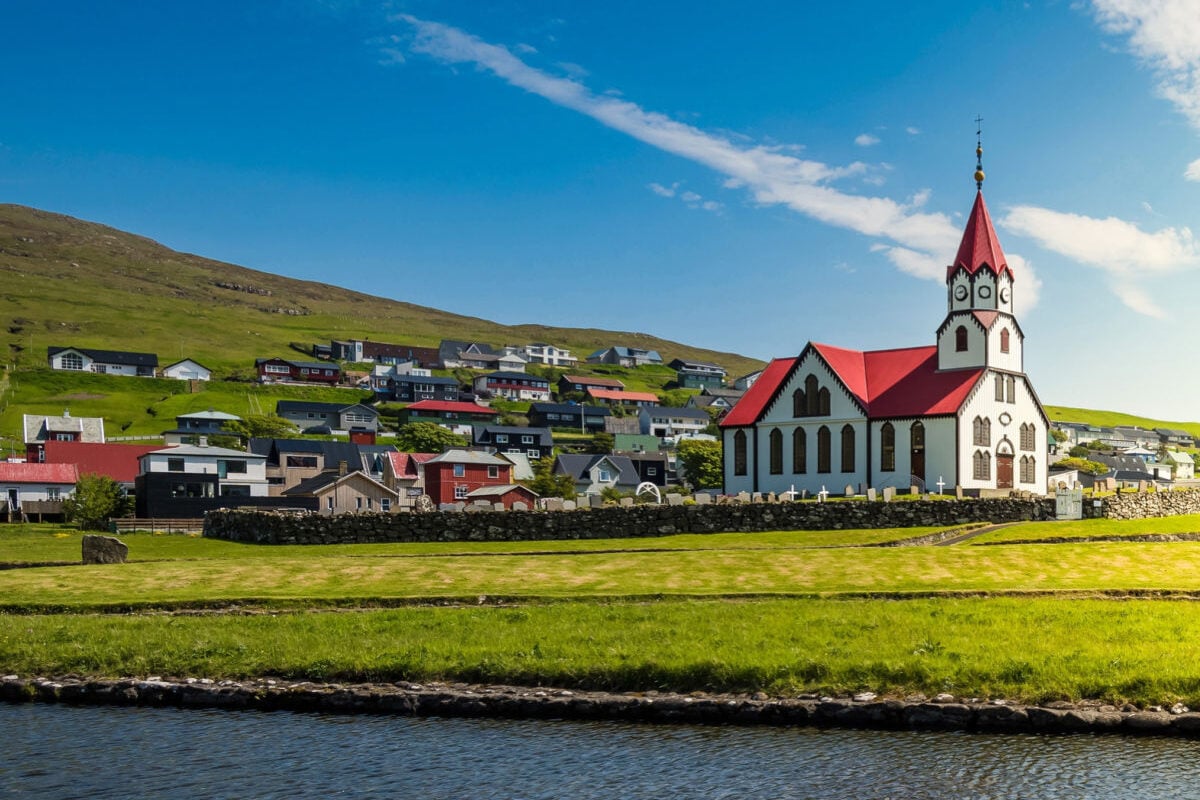
Our pick would be Havgrím Seaside Hotel, a design-forward boutique retreat with uninterrupted ocean views, Nordic interiors, and a front-row seat to the dramatic landscapes beyond.
You’ll wake up to mist rolling over the mountains, enjoy a slow breakfast featuring Faroese specialties like freshly baked rye bread, local cheeses, smoked salmon, and skerpikjøt (air-dried lamb), before setting out on private guided adventures.
Whether that’s a helicopter flight above the dramatic cliffs, a RIB boat excursion through narrow fjords, or a private hike to hidden viewpoints most visitors never reach, possibilities are endless.
By the way, the Faroe Islands are not an independent country, but rather an autonomous nation within the Kingdom of Denmark. If you’re unsure which entry rules apply, whether for the Faroes or anywhere else in Europe, make sure to check the Entry Requirement Checker before traveling to avoid surprises at the border.
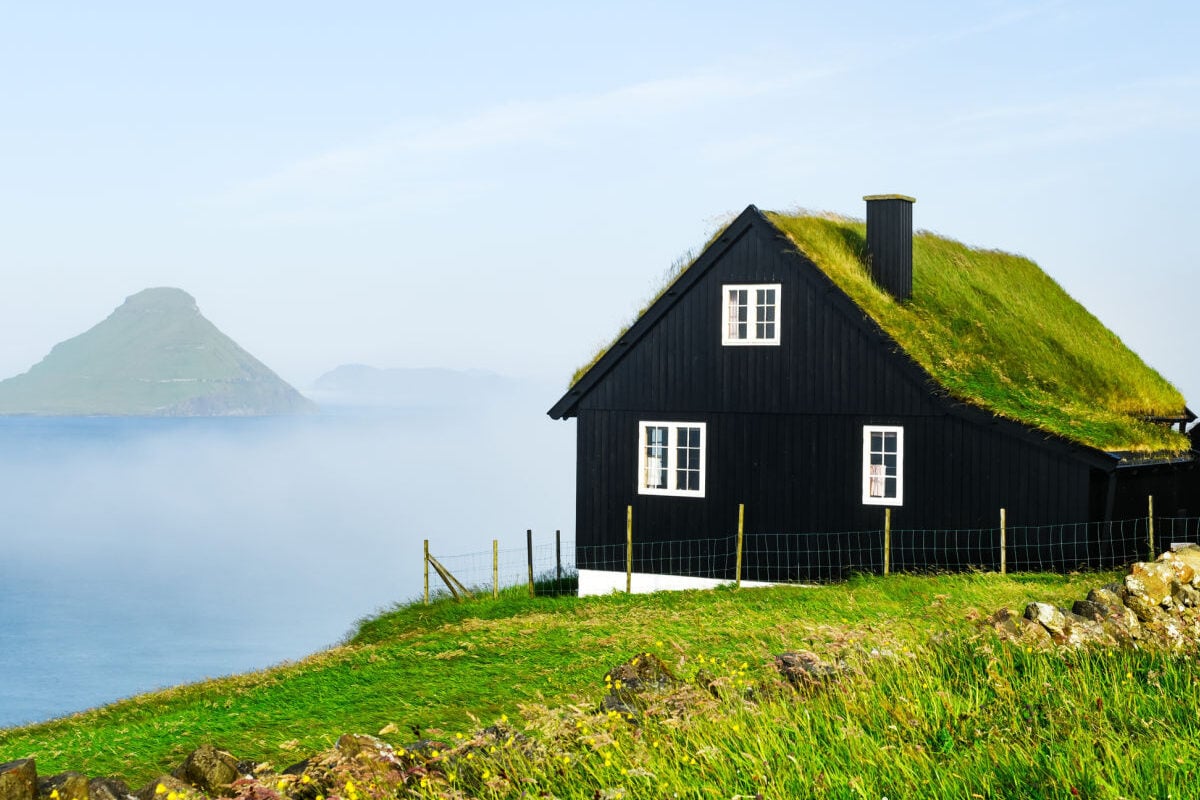
Average Prices In The Faroe Islands
- 3-course dinner for 2 at a good mid-range restaurant + wine: $150–250
- 4-star hotel: $200–400/night
- 5-star / luxury boutique hotel: $400–800+/night
- Luxury suite (fjord-view room): $800–1,500+/night
- Private helicopter tour (mountains, villages, waterfalls): $500–1,200/person
- Private boat charter (half day, skipper, fjords, sea cliffs, wildlife): $800–1,500
- Private guided tour (hiking, villages, viewpoints, photography): $300–600/day
- Private airport transfer: $100–200
- Rental car: $100–250/day (high season)
How Safe Are The Faroe Islands?
Denmark is currently listed as a Level 2 destination by the U.S. Department of State, meaning Americans should exercise “increased caution” when visiting. That doesn’t mean it’s unsafe. In fact, Denmark remains one of the safest countries in Europe.
The main concern is the ongoing terrorism threat, rather than the kind of everyday violent crime, street disorder, or widespread criminality seen elsewhere.
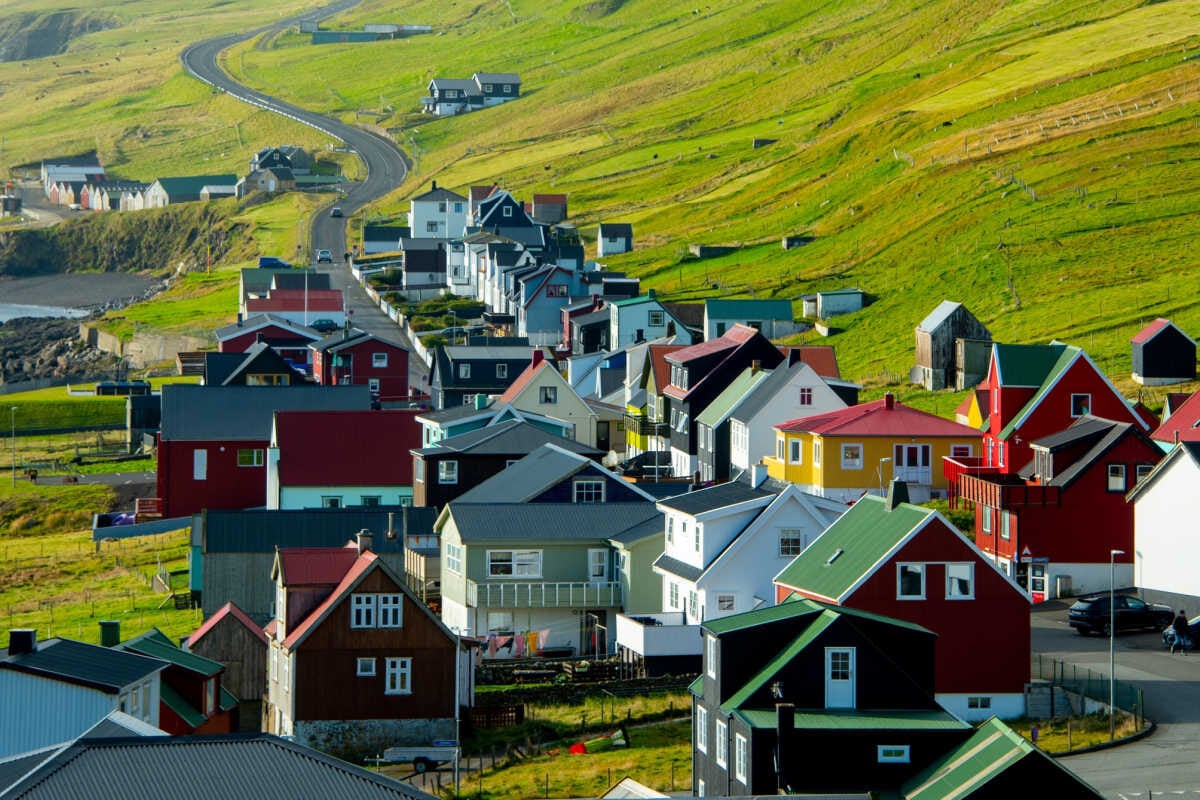
The Faroe Islands, however, are on a league of their own. Because they are an autonomous territory within the Kingdom of Denmark, they are grouped under the same travel advisory, but realistically, they deserve their own safety assessment.
With just 55,000 residents spread across tiny villages and a handful of towns, Faroese society is built around close-knit communities where families have often lived for generations and social accountability runs deep.
Add in the fact that the geographic isolation makes it far harder for organized crime or outside threats to take root, and the biggest danger you’re facing here is the weather, not bad elements.
As for Denmark overall, it currently scores 82 out of 100 on the Traveler Safety Index, placing it firmly among Europe’s safest destinations.
Andorra
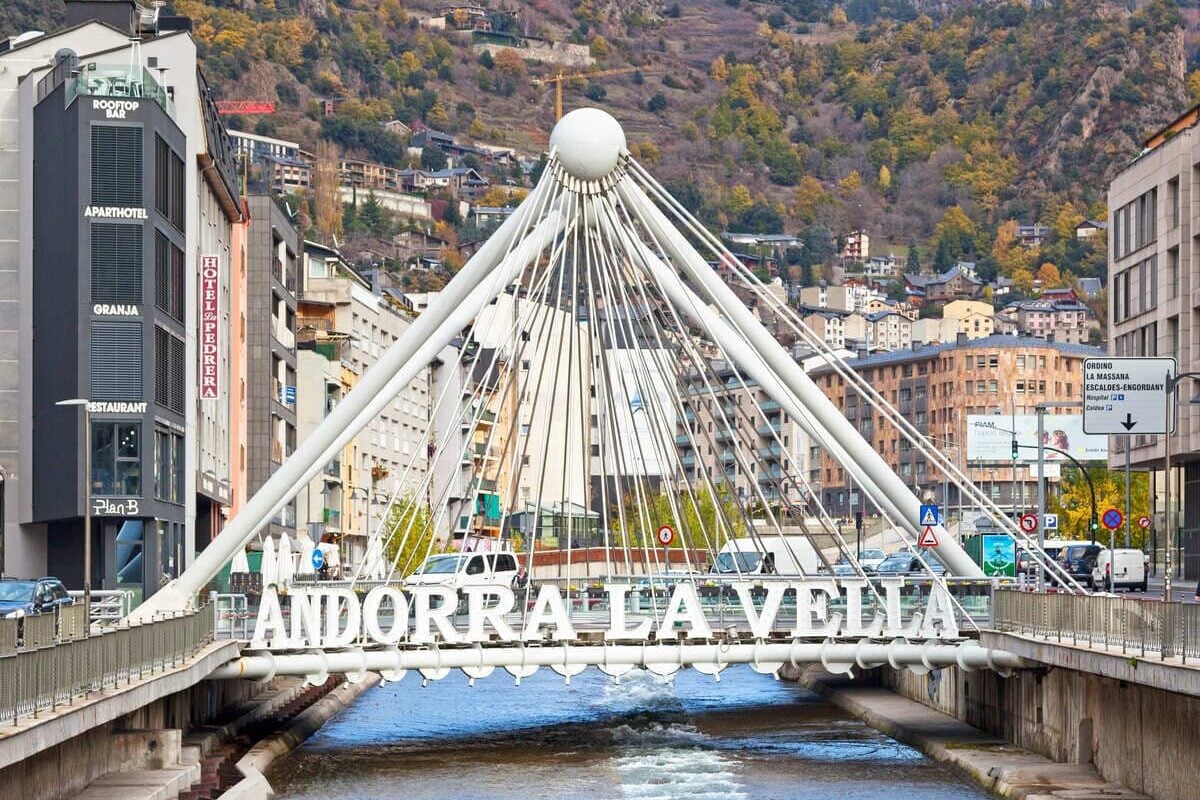
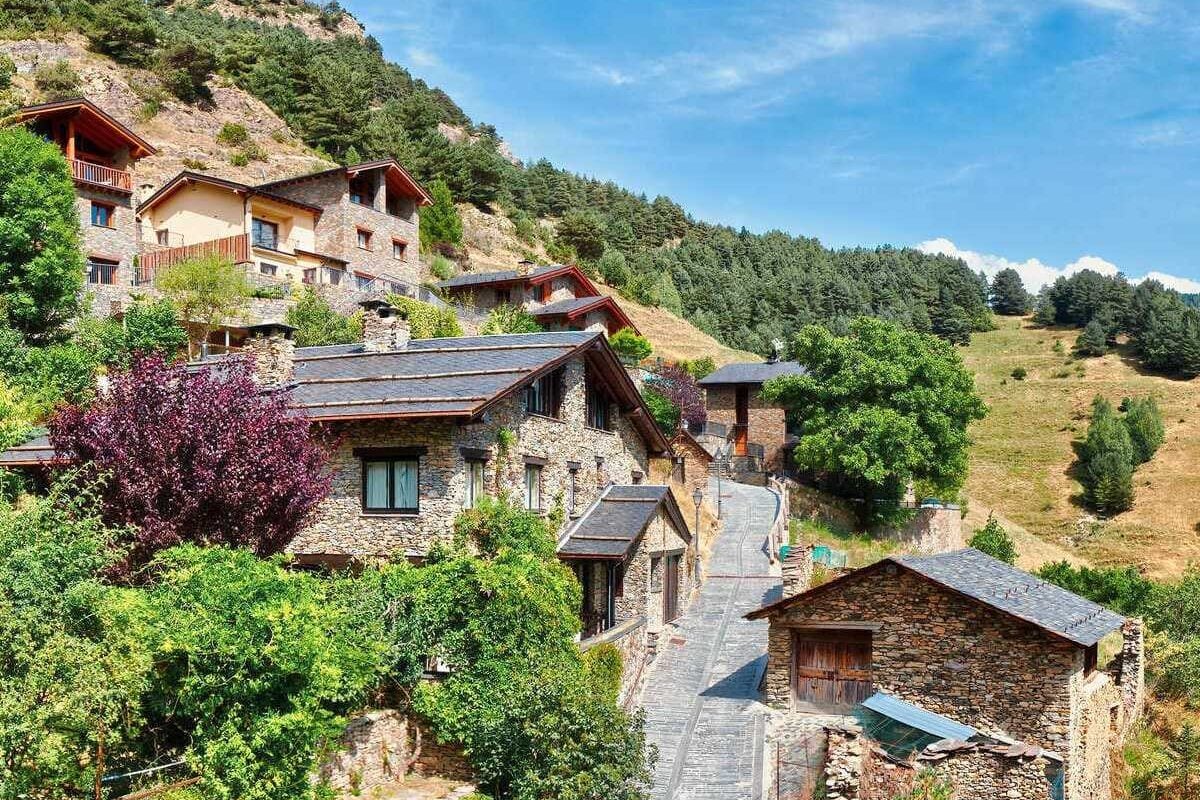
One of Europe’s smallest yet most spectacular states, Andorra is a hidden Pyrenean escapade wedged between France and Catalonia, with snow-capped peaks, emerald valleys, and gorgeous medieval villages entirely built from stone.
180 square miles of pure alpine heaven.
Think of it as a pocket-sized Austria, just much more intimate and under the radar: while many Alpine resorts have become synonymous with mass tourism and rowdy après-ski crowds, Andorra still feels like a hidden gem.
Somewhere you can carve world-class slopes in the morning, hike through untouched valleys in the afternoon, and unwind in secluded thermal waters before settling in for a slow mountain dinner.
Our top pick would be Sport Hotel Hermitage & Spa, a five-star alpine retreat. Elegant interiors, exceptional spa facilities, and direct access to the pristine slopes of Grandvalira.
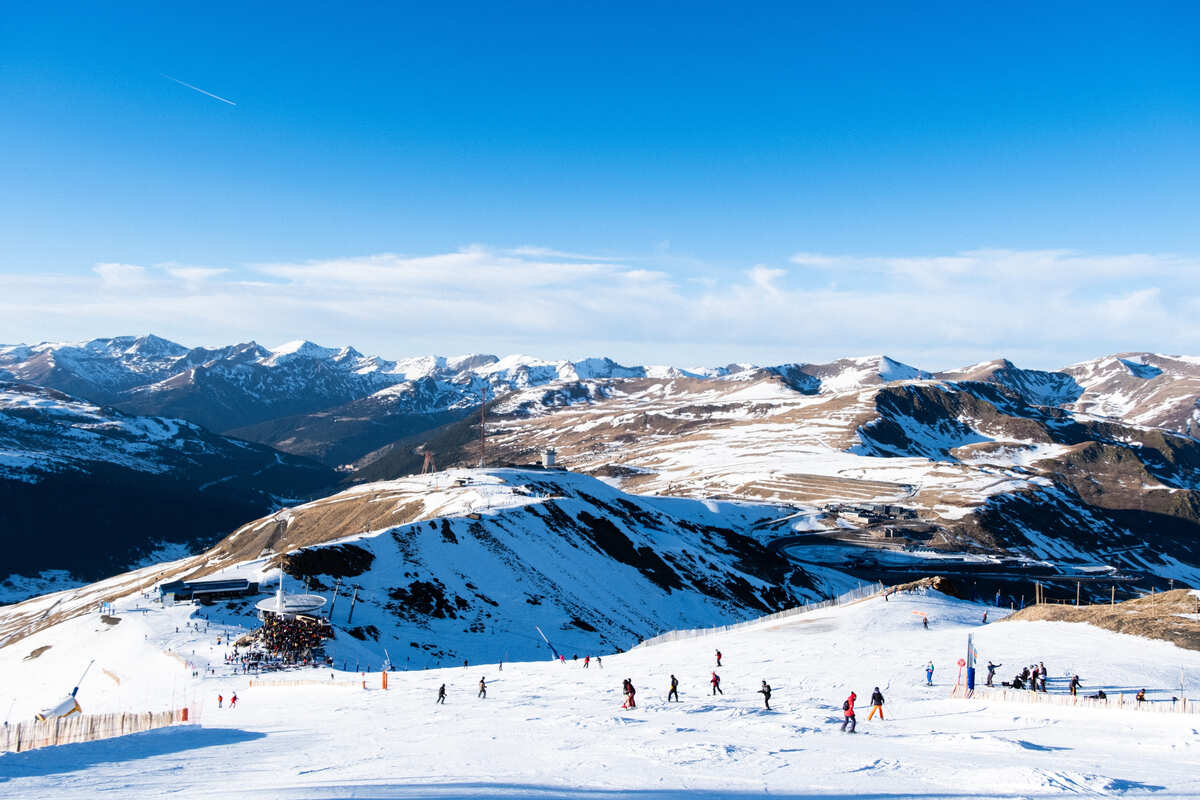
You’ll wake up to panoramic views of snow-covered mountains, savor a slow breakfast featuring local cheeses and cured meats, fresh bread, and traditional mountain specialties before you set out on private adventures. What are those, you may ask?
How does skiing or snowboarding across the vast Grandvalira domain, or maybe a private helicopter flight over the Pyrenees sound?
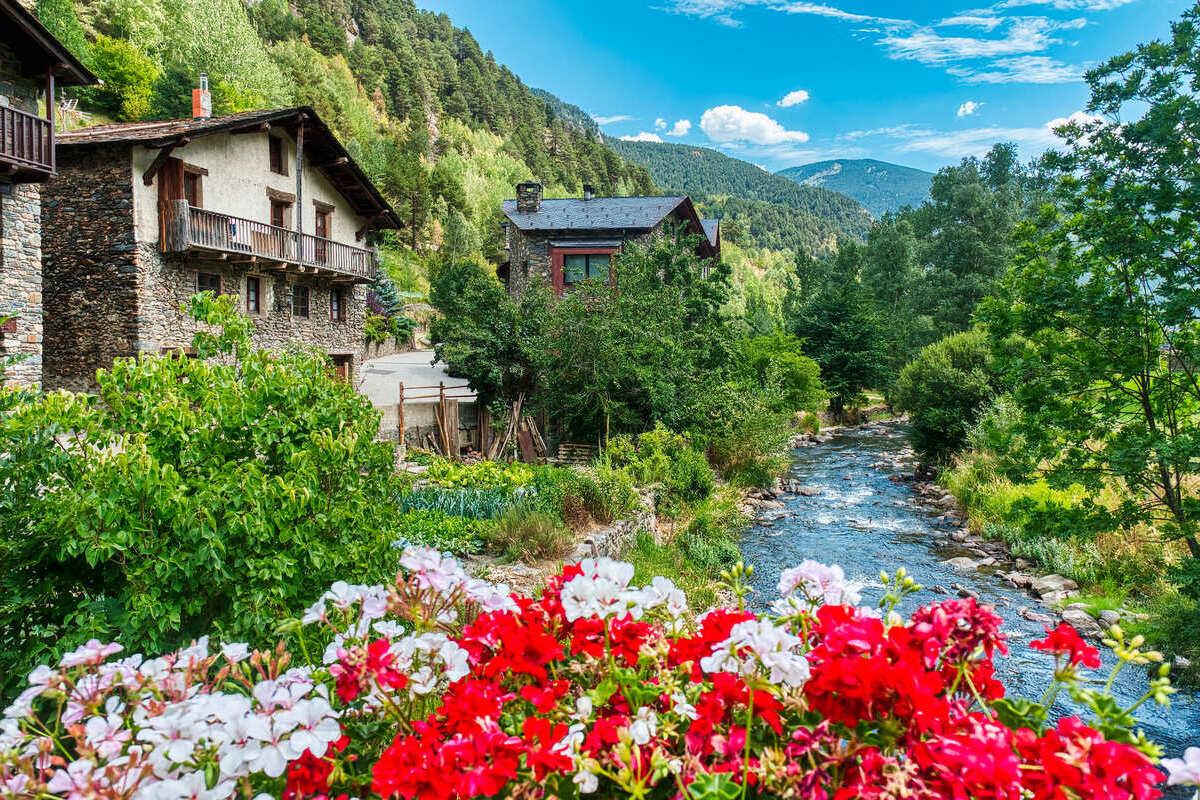
Or perhaps a scenic drive through medieval villages like Ordino and Canillo, and guided hikes through the Madriu-Perafita-Claror Valley, known for its crystal-clear rivers, ancient stone paths, and untouched alpine landscapes.
Don’t miss out on Andorra la Vella, Andorra’s capital, and the highest capital city in Europe, surrounded by dramatic peaks and offering a unique mix of mountain charm, upscale shopping, and modern wellness experiences.
Average Prices In Andorra
- 3-course dinner for 2 at a good mid-range restaurant + wine: $90–150
- 4-star hotel: $120–250/night
- 5-star / luxury mountain hotel: $250–600+/night
- Luxury suite (mountain-view or spa suite): $600–1,200+/night
- Private ski guide (Grandvalira, freeride, off-piste): $300–600/day
- Private mountain tour (hiking, lakes, viewpoints, photography): $250–500/day
- Private spa experience (Caldea premium access): $100–300/person
- Private airport transfer (Barcelona or Toulouse): $250–450
- Ski pass (Grandvalira, adult, high season): $70–80/day
- Rental car: $50–150/day (high season)
How Safe Is Andorra?
Andorra is so safe because it combines multiple factors that apply to places like Iceland, Switzerland, and the Faroe Islands, on top of a remote, hard-to-reach geographic location:
The country is tucked high in the Pyrenees range, between France and Spain, with no airport, no major highway connections, and only a handful of access roads through mountain passes that are closely monitored.
It’s simply not an easy environment for criminal networks to operate.
Small population, high wealth, strong institutions: Andorra checks all the boxes. It’s also neither in the European Union nor the Schengen Area, and on occasion, there are full-blown border checks when crossing from Spain or France into Andorra.
Most of the time, these are customs checks, as the French and Spanish love hopping across the border to buy cheaper tobacco, electronics, and other goods (Andorra has no VAT). In other words, the nearest police presence is never more than a few minutes’ drive away.
It probably helps that Andorra is one of Europe’s wealthiest states, with a GDP per capita comparable to many Western European nations, alongside low poverty and unemployment rates.
On the Traveler Safety Index, it scores 85/100:
