

9 Countries Including France And Italy Officially Postpone Mandatory Fingerprint Checks For Americans
Well, well, well… the thing Brussels spent months insisting couldn’t happen just happened:
After putting its foot down and sending a bloc-wide message that September 7, 2026 was effectively the point at which the special flexibility to pause biometric EES checks whenever airports deemed fit ran out, EU officials have blinked.
They’ve now agreed to look the other way while a select number of countries continue suspending the biometric checks. More specifically, 9 of them, including tourism powerhouses Italy and France:
What Is The Entry/Exit System?
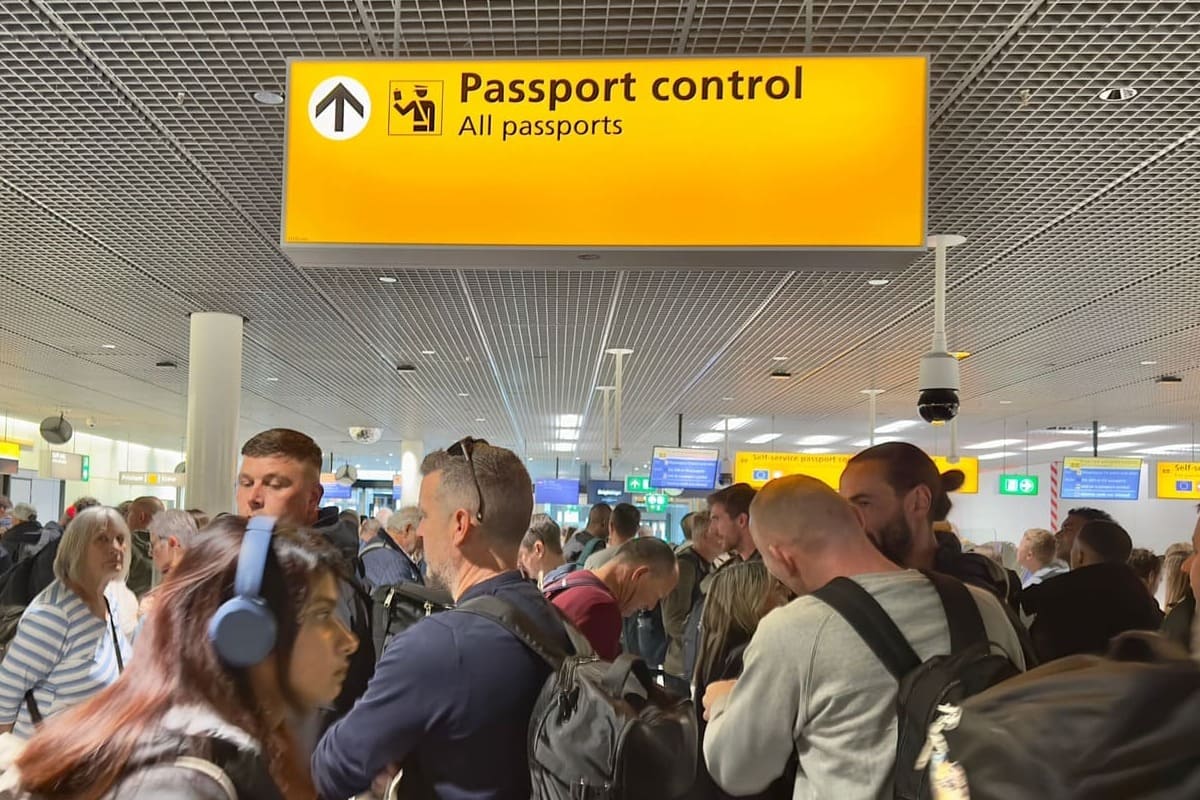
The EES is Europe’s new digital way of registering and monitoring short-stay visitors by recording passport details, entries and exits, and, in most cases, fingerprinting and facial scanning at the external Schengen border.
The idea is to make it easier to spot travelers who overstay the Schengen Area’s short-stay rules, detect identity fraud, and digitally replace the old passport-stamping system.
Naturally, this includes U.S. passport holders.
Sounds peachy on paper, but it turned into an absolute nightmare once it left the drawing board.
Now, 9 European countries, including France and Italy, have told Brussels they need more breathing room, and EU officials have effectively agreed not to come down on them for temporarily letting travelers through without the added biometric faff at certain border points.

Why Has The EES Rollout Been So Messy?
European nations have had nearly 9 years since the original EES legislation was adopted to get the thing in place, though to be fair, the actual technical rollout and implementation calendar have been pushed back and rewritten more times than we’d care to count.
And the problem seems to extend beyond mere staffing shortages and the availability of registration kiosks.
It’s become a whole operability fiasco.
European border control is already grueling enough as it is, with non-EU passengers often funneled into separate passport-control lanes from European citizens, and in many cases unable to simply breeze through the same fast-track eGates (with a few exceptions, though nowhere nearly as many as needed).

Even prior to EES, border-control bottlenecks and airport delays were notorious, particularly across mega-hubs seeing a huge volume of non-EU traffic on the daily.
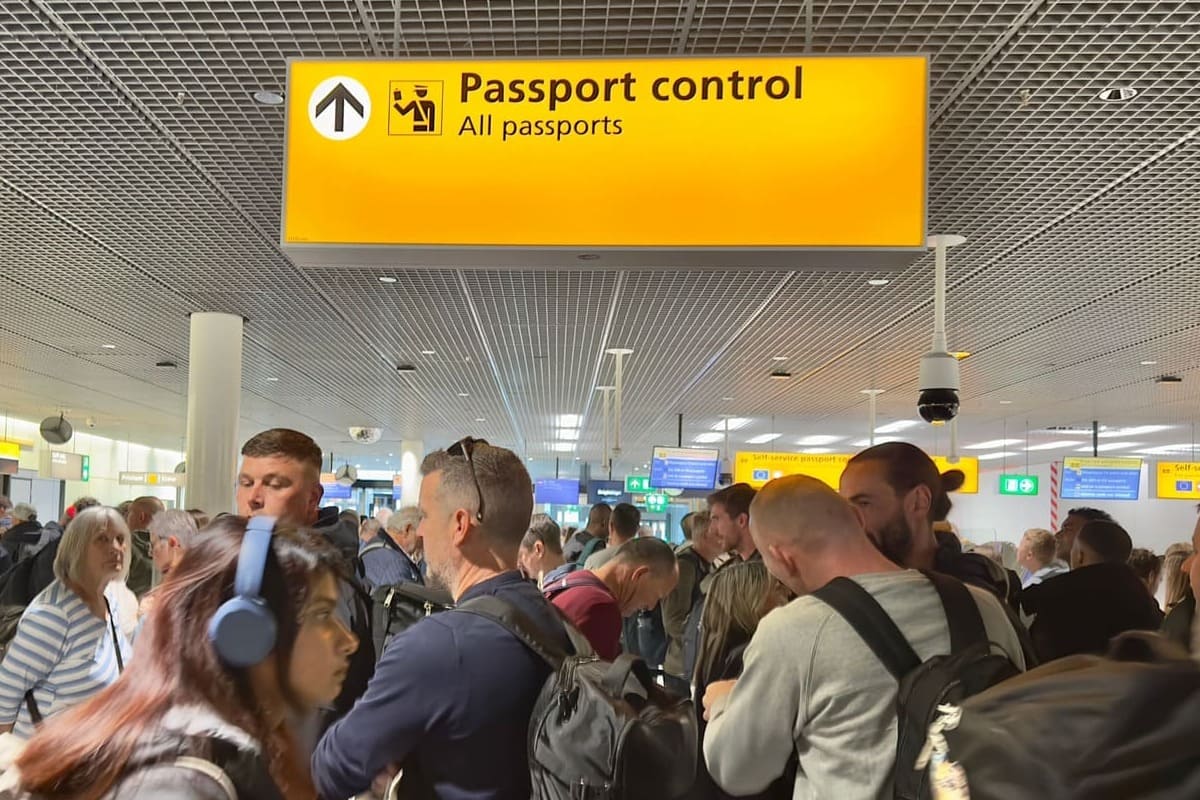
By summer, huge delays and missed connections were reported widely across Portugal, Spain, Italy, Greece, Belgium, and elsewhere. The main causes for this?
- Malfunctioning EES kiosks
- System-wide blackouts
- Understaffing at airports
- Insufficient physical space at certain entry hubs to accommodate EES facilities
The irony here is that the EES itself was first launched progressively all the way back on October 12, 2025, became officially ‘fully operational’ on April 10, 2026, and yet, countries were still relying on emergency flexibility to shut down biometrics when needed.
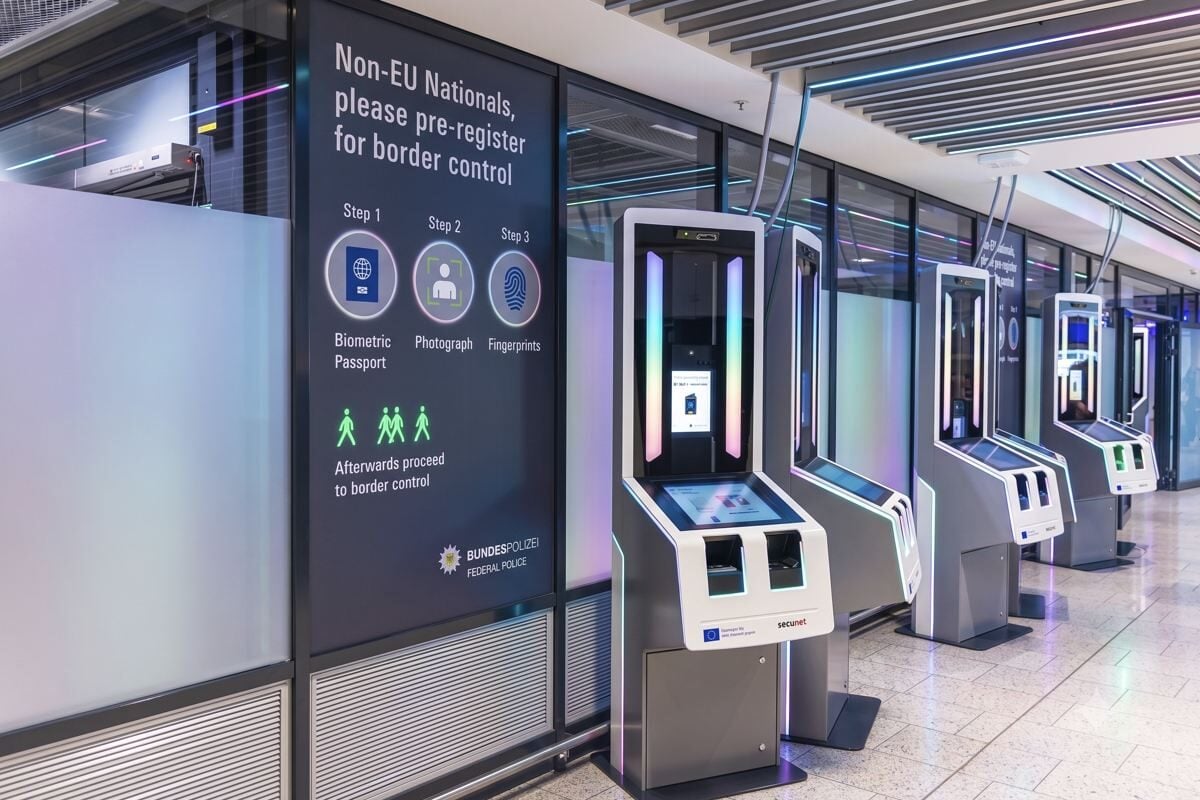
That legal flexibility finally expired after September 6.
And now, 9 countries are effectively banding together to say: yeah, about that…
Which Countries Are Suspending EES Indefinitely?
The 9 countries that have officially told Brussels they need more time, despite the pressure from Berlaymont, are:
- Belgium
- France
- Germany
- Greece
- Italy
- Malta
- The Netherlands
- Portugal
- Switzerland
Portugal: The Poster Child For Boder Chaos
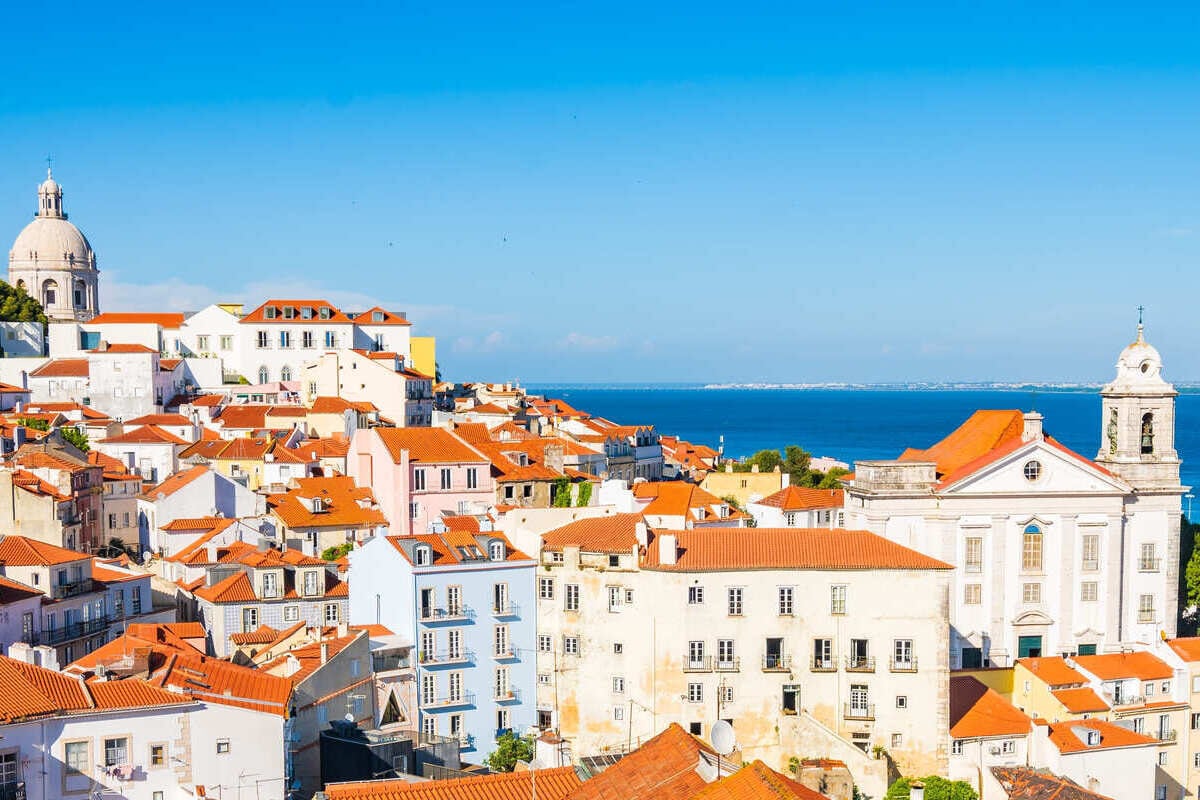
Lisbon, Portugal, is possibly the poster child for border chaos here.
Humberto Delgado Airport was already reporting wait times of up to 3 hours in 2024, before EES checks were even a thing. Once full biometric processing entered the picture, some travelers faced reported waits of between 4 and 6 hours.
Yes.
Six.
Bloody.
Hours.
Portugal’s own government had already suspended EES at Lisbon for three months at the end of 2025 after conditions deteriorated so badly, and although the system was later reactivated, the decade-old bottlenecks never disappeared.
Italy: The Place To Avoid For Tight Connections When EES Kiosks Are On

Then there’s Italy.
At Milan Linate Airport back in April, 122 passengers booked on an easyJet flight to Manchester failed to make the plane after queues at passport control reportedly stretched to around 3 hours.
Only 34—34!!!!—of the 156 booked passengers actually boarded.
All of this to say the rollout has been anything but smooth, and basically the entire travel industry, from airports to the International Air Transport Association, has decried the botched implementation. Low-cost, Ireland-based carrier Ryanair was even less diplomatic, calling the system ‘half-baked’.
Oops.
Note From The Editor
Just one sec! If you enjoy reading great human-written articles, the best way to see a few more is to follow us on Google so we become one of your preferred websites. Thank you so much for reading. Now back to the story!
Spain: Where No One’s Really In A Rush (And You Shouldn’t Be, Either)

Spain is implementing EES fully, despite having had some of the most publicized teething problems of anyone.
Earlier this summer, we covered a Ryanair list of European airports struggling the most with the EES launch, and out of the 7 major problem airports mentioned, Spain occupied a whopping 4 spots.
Those were Tenerife South, Palma de Mallorca, Alicante, and Malaga.
It was, by far and away, the most heavily represented country on the list, which is hardly a surprise given the sheer scale of inbound tourism over summer, and how Spanish holiday seasons can extend well into October thanks to the country’s warmer-than-average weather.
France: The One Where EES Kiosks Simply Don’t… Work?

I’ve landed in Paris from outside the Schengen Area a couple of times this summer myself, and though I’m not subject to EES registration as I’m a resident here, I was genuinely baffled to see EES kiosks sitting dark, switched off, or tucked away in corners like expensive paraphernalia nobody knew what to do with.
Either that, or when they were in operation, snaking lanes forming through the Arrivals Hall, frustrated passengers poking repeatedly at malfunctioning kiosks, and others pleading with airport staff to let them through quicker or else they’d miss their connection.
Utter and complete chaos.
If you were flying into the Paris region via Beauvais, that tiny, godforsaken backyard shed of an airport sitting roughly 55 miles outside the capital, with far more limited passport-control infrastructure than Charles de Gaulle or Orly, and nonstop traffic pouring in nonstop from the UK, Moldova, and every other non-Schengen corner of the map, good luck making that bus connection on time.
Beauvais itself appeared on Ryanair’s list of 7 EES trouble spots.
Greece: Where The Freezing Of EES Is A Given

In classic EU fashion, Brussels initially put its foot down and insisted that, no, member states could not simply hand specific nationalities a blanket exemption from EES biometrics.
Greece tested that boundary anyway.
Back in April, Greek officials suggested British passport holders would effectively be spared biometric registration through the busy summer season, as the UK is one of Greece’s largest markets and they expected a major surge of UK travelers in summer.
The European Commission promptly pushed back, stressing that blanket exemptions for individual nationalities were not permitted.
Greece later walked that back, saying this was not related to any specific nationality exemption, but rather a border police mechanism used to alleviate extreme passenger congestion.
That’s what I like to call a ‘tomato, tomahto’ situation. In practice, plenty of Brits whooshed past those Greek borders without having their biometrics taken these past few months.
What Brussels Says Vs The Reality On The Ground

The International Air Transport Association was among the industry bodies pushing hard for extended flexibility, warning of missed connections across Spain, Italy, Greece, Belgium, Portugal and elsewhere.
All of this while Brussels continued arguing the underlying system itself was (broadly) a success.
EU sources quoted by The Guardian say EES has now logged around 200 million registrations, with approximately 70,000 people refused entry into the Schengen Area (44,000 up to June alone, as we reported on previously).
Now, before you panic, these are not 70,000 random tourists being turned away because they struck a border officer’s nerve. Refusals generally include travelers lacking required visas or documentation, people who have exceeded their allowed stay, and those using fraudulent passports.
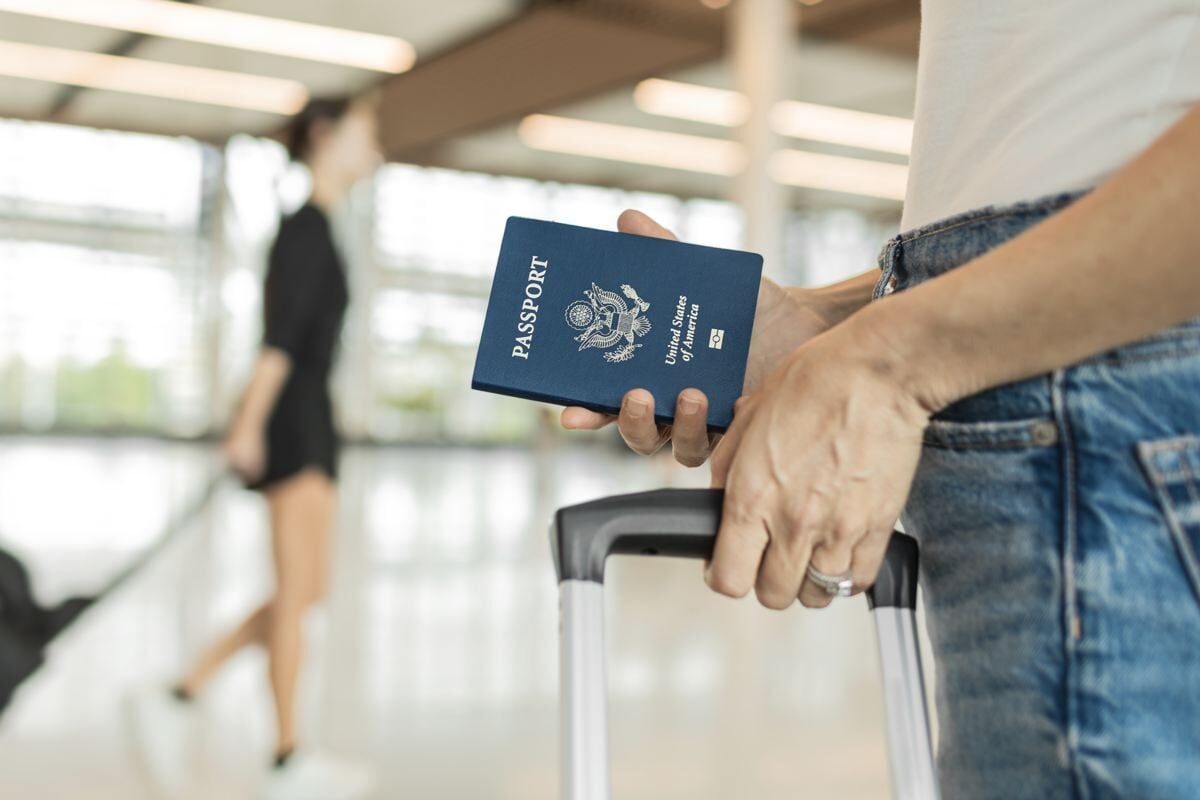
If you’re unsure what rules apply when traveling to Europe, make sure you use the Entry Requirement Checker before flying.
What Does This All Mean For American Travelers Going To Europe This Fall Or Winter?
So what does this new, unofficial-ish suspension mean for travelers landing from outside the Schengen Area into any of the 9 countries above?
Potentially, an airport experience that looks somewhat close to the good old days.
I took the Eurostar from Paris to London recently, where EES exit procedures also apply to eligible travelers—not to me, as a Schengen resident, but you get the gist—and I noticed the dedicated biometric-processing area wasn’t even being used.
Travelers were being directed through the regular border-control process instead.

At border points where biometric registration is being paused, that’s essentially what can happen: you proceed to the immigration booth, your passport is checked manually, and depending on the crossing and how EES is being handled locally, manual stamping may continue.
What you absolutely should not do is assume that because France, Italy, Germany, or any of the other nine appear on this list, you definitely won’t be fingerprinted. Remember, this is not countrywide.
Frankfurt may be taking biometrics while some smaller German airport isn’t.
Schiphol may be running EES normally while another Dutch crossing struggles.
Even two terminals in the same airport can give you totally different arrival experiences.
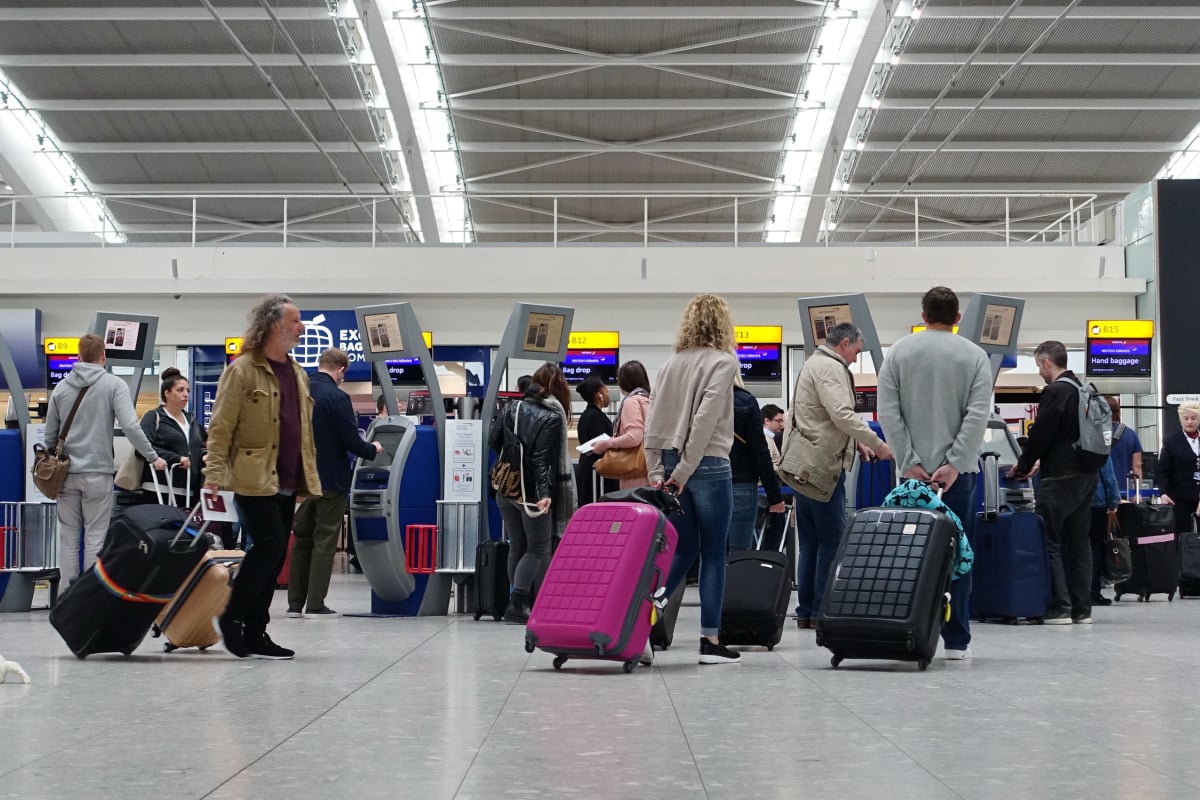
If my experience of bouncing around Europe in the age of EES is any indication, you may simply get unlucky enough to turn up at a European airport at the exact moment they’re trialing a batch of kiosks, rebooting the system, or deciding today’s the day everyone gets fingerprinted.
Welcome to 2026 Europe.
How To Survive Europe Border Control In EES Times
- Avoid smaller regional airports with limited border infrastructure when you have a choice
- If EES is operational and you still need to register, make a beeline for the nearest registration kiosk before stopping for coffee, duty-free, or a leisurely airport bathroom break
- Leave a generous connection buffer when your first Schengen arrival is at a major EES hotspot
- If you’re flying out of Schengen from a known problem airport, don’t assume arriving 90 minutes before departure will cut it
- Check whether the Travel to Europe app works at your destination before flying

About that last one: two European countries have launched an official Travel to Europe app to ease EES congestion: Sweden and Portugal.
In Sweden, eligible non-EU travelers with biometric passports can pre-register their passport information, facial image, and entry questionnaire through the app before reaching the border. Portugal currently only supports completing the entry questionnaire in advance.
Either way, it can help you buy some time, and time’s your most precious asset when dealing with EES delays.
EU sources quoted by The Guardian say the app should ‘shortly’ work in 7 countries altogether, meaning another 5 are expected to join Sweden and Portugal, so keep an eye out.
And boy, does all this back-and-forth, broken machinery, and casual extension of deadlines make me excited for the upcoming ETIAS travel permit in 2027…
Enter your email address to subscribe to Travel Off Path’s latest travel news, straight to your inbox
