

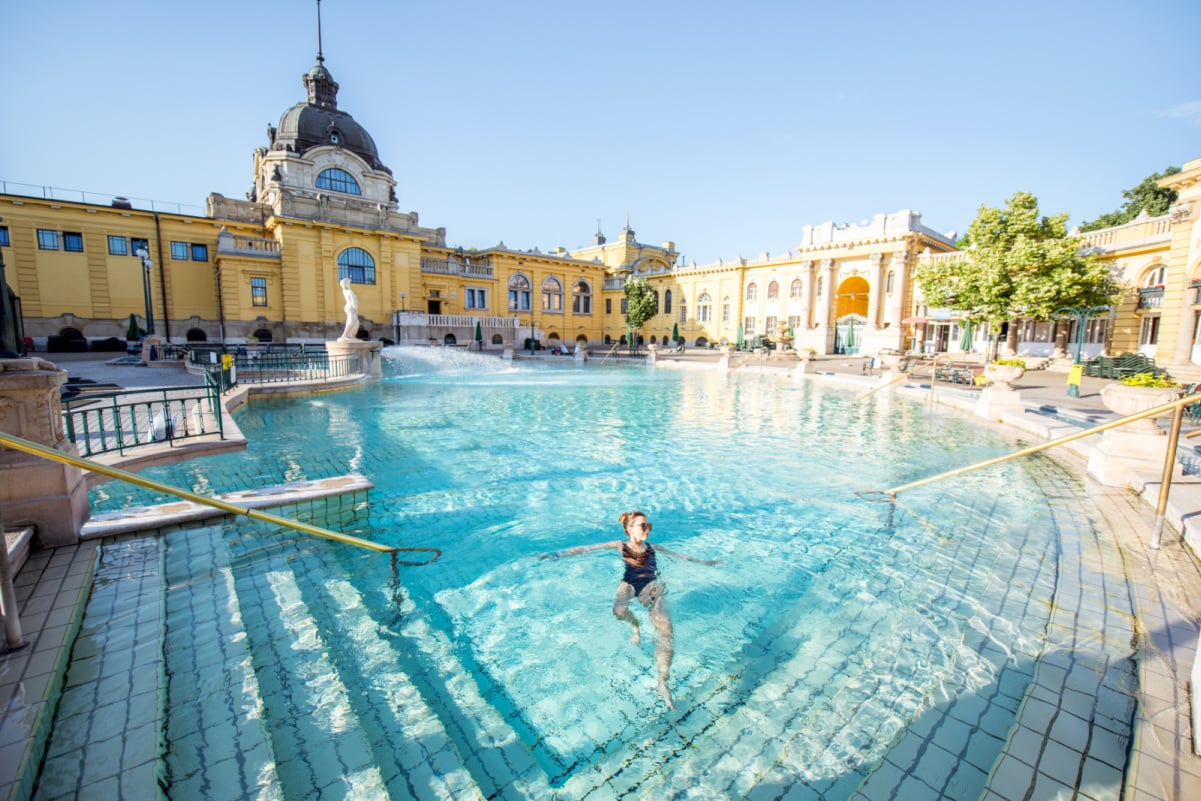
This European Capital Has Thermal Medicinal Baths, Hidden Cave Networks, and Secret Island Parks—and They’re All Within City Limits
When I first stepped out of the grand, echoing arches of the Keleti train station into the biting Central European air, the exhaustion of international travel vanished.
I was shivering under my heavy coat, but I was ready to explore.
No generic glass-box resorts dominate the skyline here, and no sanitized tourist traps masquerade as culture. The city’s official rhythm is built on centuries of deep-earth geothermal energy, and it took me exactly ten minutes of walking the monumental streets to understand that this place operates on an entirely different level.
While the rest of the world races to book the exact same overcrowded museum circuits in Paris or Rome, my wife Liz and I head straight for the Danube.
If you’re exhausted by traditional European capitals that feel more like crowded theme parks than actual relaxing vacations, Budapest is the exact cultural reset you have been looking for.
The Price Breakdown
The cost of experiencing a grand European capital usually requires maxing out a credit card, but Budapest operates on a much more traveler-friendly financial reality.
You don’t need to book an overpriced luxury package to afford a week of grandeur here. During my last visit, I kept a tally of my daily expenses to prove just how affordable this city actually is. Here is exactly what you can expect to pay on a daily basis:
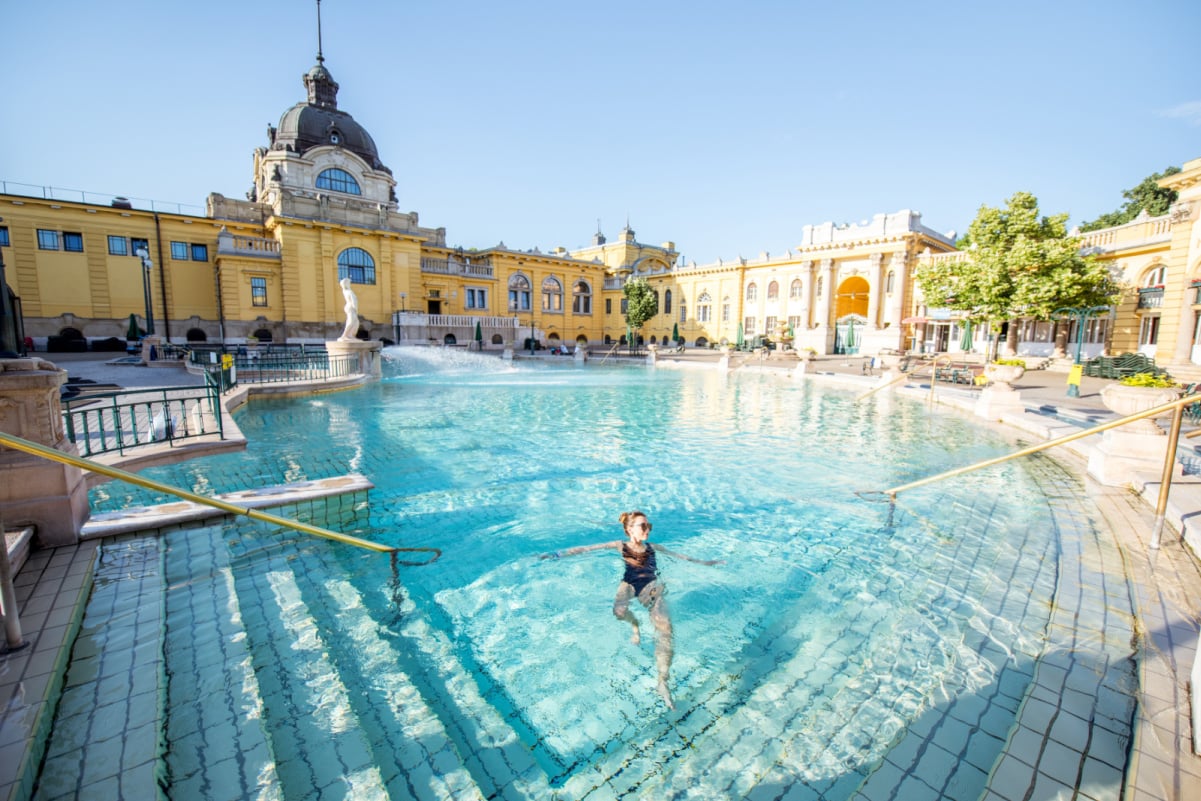
- Full-day thermal bath pass: $30 to $35 USD, which includes a private changing cabin inside a Neo-Baroque palace.
- Massive bowl of traditional Goulash: $6 to $8 USD at a local étkezde (canteen), served piping hot with fresh bread.
- Pint of local Hungarian draft beer (Soproni): $3.50 USD inside a world-famous ruin bar.
- 24-hour unlimited public transit pass: $7 USD, giving you seamless access to all historic trams, buses, and the oldest subway line in continental Europe.
- Chimney cake (Kürtőskalács): $3 to $5 USD for a massive pastry roasted over hot coals on the street and rolled in cinnamon sugar.
1. The Steaming Thermal Baths
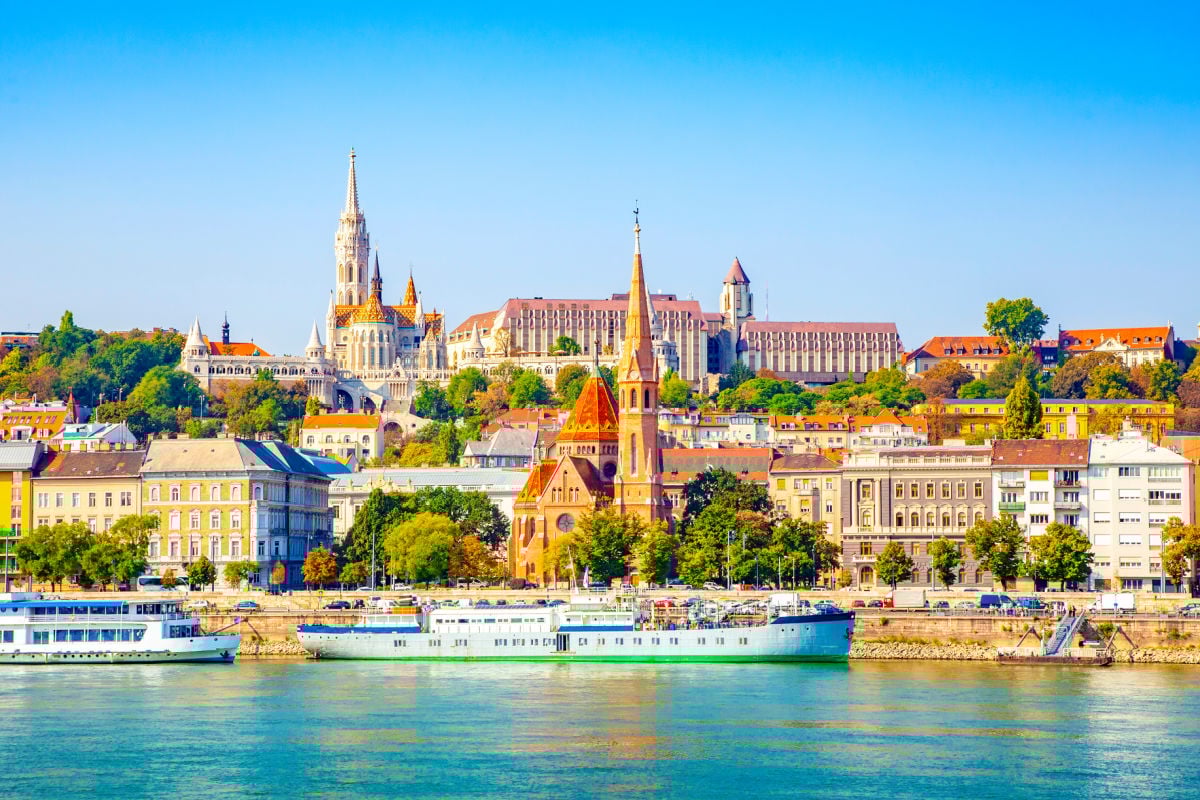
Budapest isn’t just sitting on history; it is literally built directly on top of a massive geological fault line bubbling with over 120 thermal springs.
- The Vibe: Grand, opulent, and incredibly steamy. You are literally swimming inside massive architectural masterpieces and 16th-century Ottoman bathhouses while the winter snow falls around you.
- The Bath Scene: Széchenyi Thermal Bath is the iconic yellow palace in City Park where locals play intense games of chess on floating cork boards in the 100°F outdoor pools.
- The Medicinal Value: The mineral-rich water is loaded with calcium, magnesium, and sulfate. It is a legitimate medicinal soak that instantly repairs muscles completely destroyed by walking on cobblestones all day.
Tip From The Editor (me): Skip the massive weekend daytime crowds at Széchenyi. Head over to the Rudas Baths on a Friday night. They reopen from 10:00 PM to 3:00 AM for late-night bathing, and sitting in their rooftop hot tub looking over the illuminated Danube River at 1:00 AM is an absolute game-changer.
Note From The Editor
Just one sec! If you enjoy reading great human-written articles, the best way to see a few more is to follow us on Google so we become one of your preferred websites. Thank you so much for reading. Now back to the story!
2. The Subterranean Cave Networks
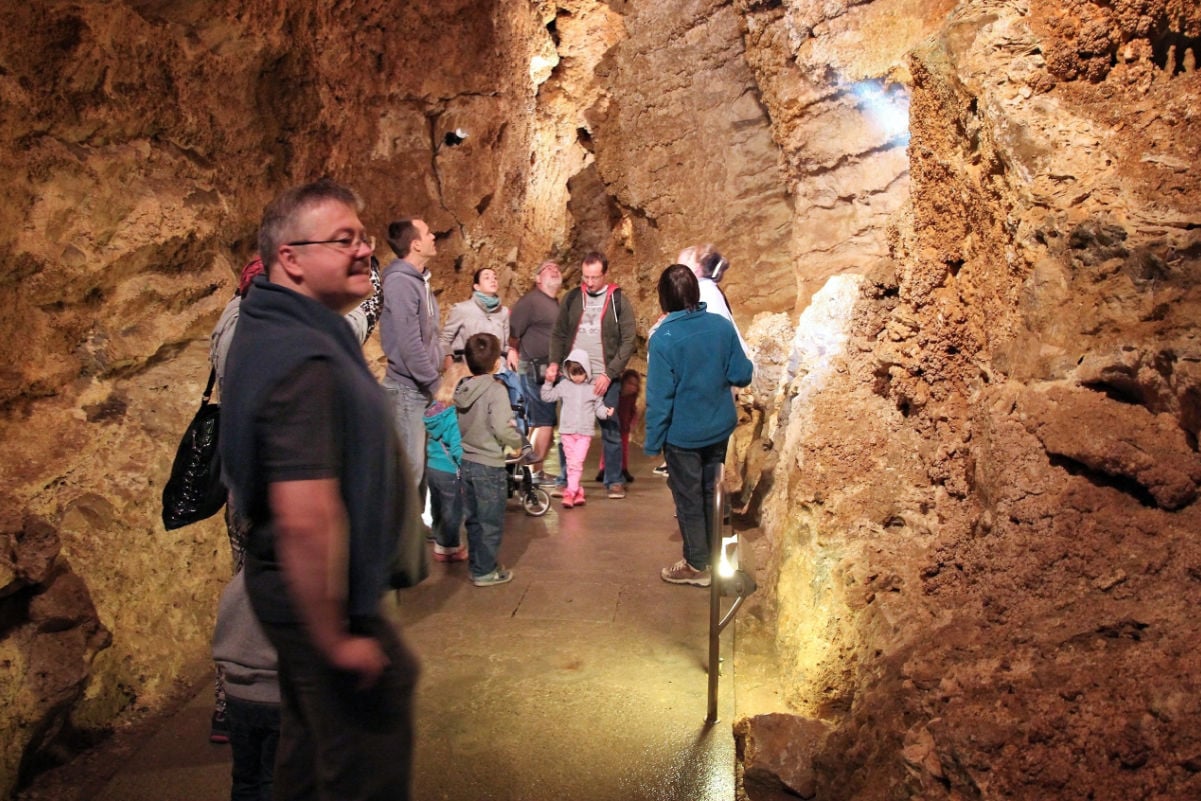
You do not even have to leave the city limits to go deep-earth spelunking. The exact same thermal waters that feed the famous baths carved out over 200 caves directly beneath the affluent residential neighborhoods of the Buda hills.
- The Vibe: Adventurous, echoing, and totally unexpected. It feels like you have teleported out of a major metropolis and directly into a rugged national park.
- The Underground Scene: The Pál-völgyi cave system stretches for nearly 20 miles. You navigate narrow limestone corridors, climb steep metal ladders, and marvel at towering stalactites.
- The Climate Escape: Whether there is a blazing summer heatwave or a freezing winter blizzard outside, these caves maintain a perfect, completely static 52°F (11°C) environment year-round.
Tip From The Editor (me): If you are slightly claustrophobic or just want a more relaxed walk, head to the nearby Szemlő-hegyi cave instead. It is heavily paved, well-lit, and incredibly accessible, earning it the nickname “the underground flower garden” due to its rare, blooming mineral deposits.
3. Margaret Island: The Secret Green Lung
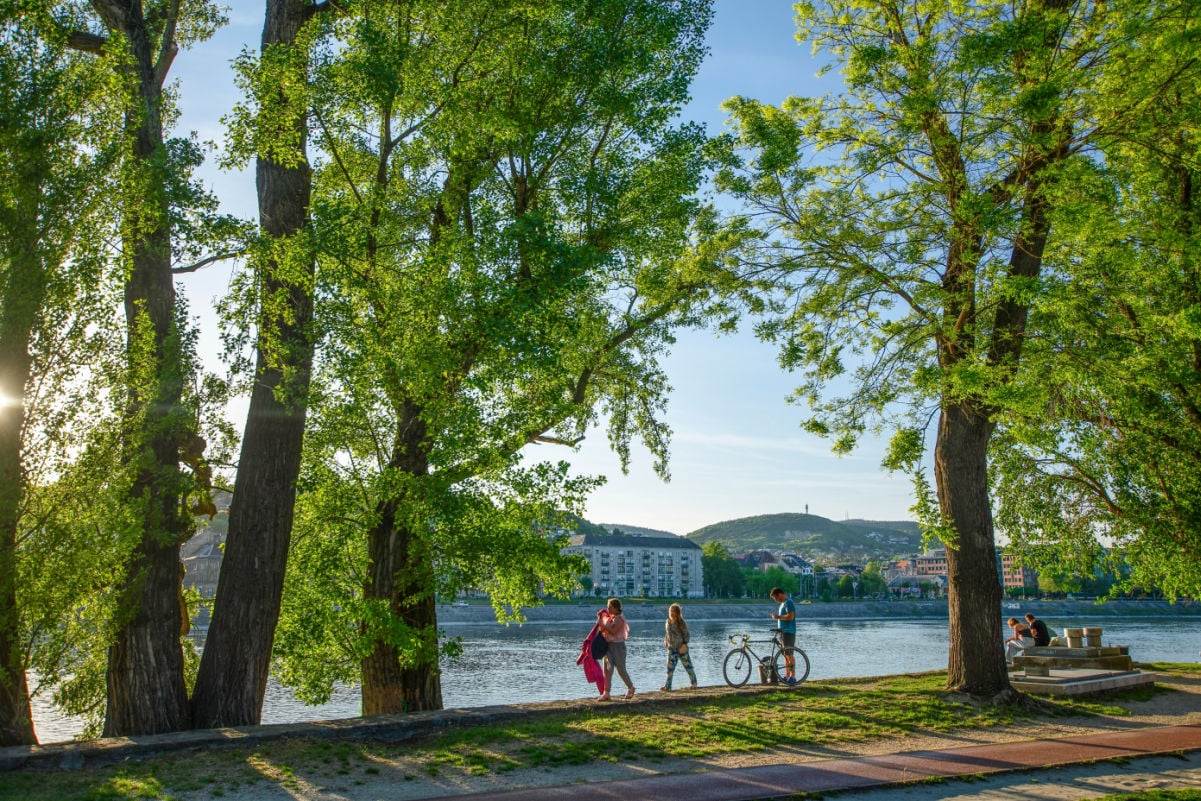
Right in the middle of the sprawling Danube River, wedged between the historic Buda and Pest banks, sits Margitsziget (Margaret Island)—a massive, 2.5-kilometer-long park that is entirely closed to standard car traffic.
- The Vibe: Peaceful, expansive, and incredibly lush. It is the Central Park of Budapest, but completely detached from the city grid by the rushing river.
- The Island Scene: You will find a massive musical fountain that choreographs water jets to classical music, medieval Dominican convent ruins hidden in the trees, and a dedicated rubberized running track wrapping around the island’s entire perimeter.
- The Ultimate Respite: It offers instant relief from the concrete jungle. You can grab a heavy blanket, a bottle of crisp Hungarian white wine, and disappear into the canopy of ancient oak trees without ever getting into a taxi.
Tip From The Editor (me): The island is far too large to walk comfortably if you only have an afternoon. Rent a Bringóhintó—a brightly colored, four-wheeled pedal carriage—right near the Margaret Bridge entrance. It remains the single best way to cruise the sandy paths and see the ruins.
4. The Iconic Ruin Bars
The cost of experiencing world-class nightlife in Europe usually requires paying an astronomical cover charge at a pretentious club, but District VII, the historic Jewish Quarter, operates on an entirely different cultural reality.
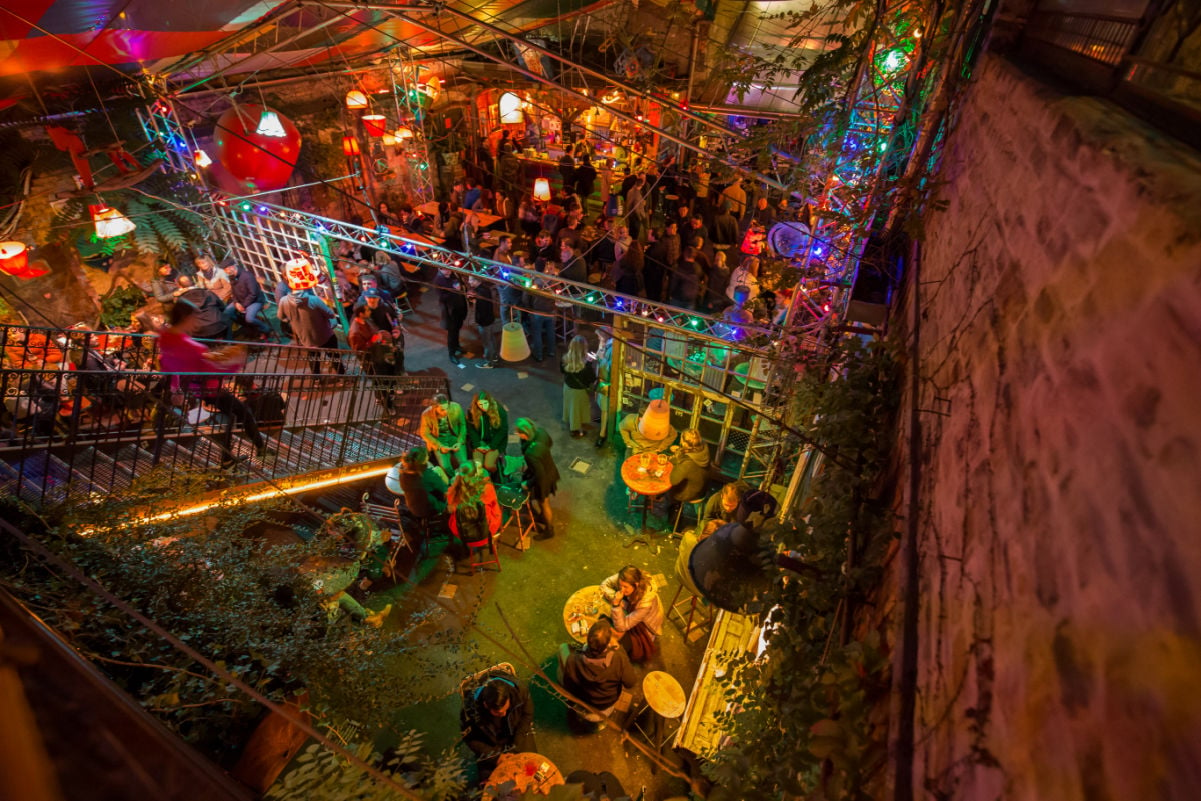
- The Vibe: Gritty, artistic, and wonderfully chaotic. Imagine an abandoned, crumbling pre-war apartment building completely taken over by local artists, packed with mismatched vintage furniture, and illuminated by neon signs.
- The Nightlife Scene: Szimpla Kert is the legendary pioneer of the ruin bar movement. You can grab a cheap craft beer and sit in a hollowed-out vintage Trabant car, surrounded by bizarre sculptures and trailing jungle plants.
- The Daytime Culture: These spaces aren’t just for late-night partying. They function as dynamic cultural hubs, hosting indie film screenings and live jazz bands in the middle of the afternoon.
Tip From The Editor (me): If the nighttime club energy isn’t your speed, go to Szimpla Kert on a Sunday morning. The entire ruined courtyard transforms into a massive, bustling farmers market where locals sell artisan cheeses, cured meats, and fresh produce right out of the graffiti-covered stalls.
5. Dismantling the Grandeur of the Danube
While the underground and island escapes are incredible, Budapest’s greatest flex is its sweeping, monumental waterfront, which is rightfully protected as a UNESCO World Heritage site.
- The Vibe: Sweeping, majestic, and completely jaw-dropping. The massive scale of the architecture sitting directly on the water easily rivals anything you will find in Paris or Vienna.
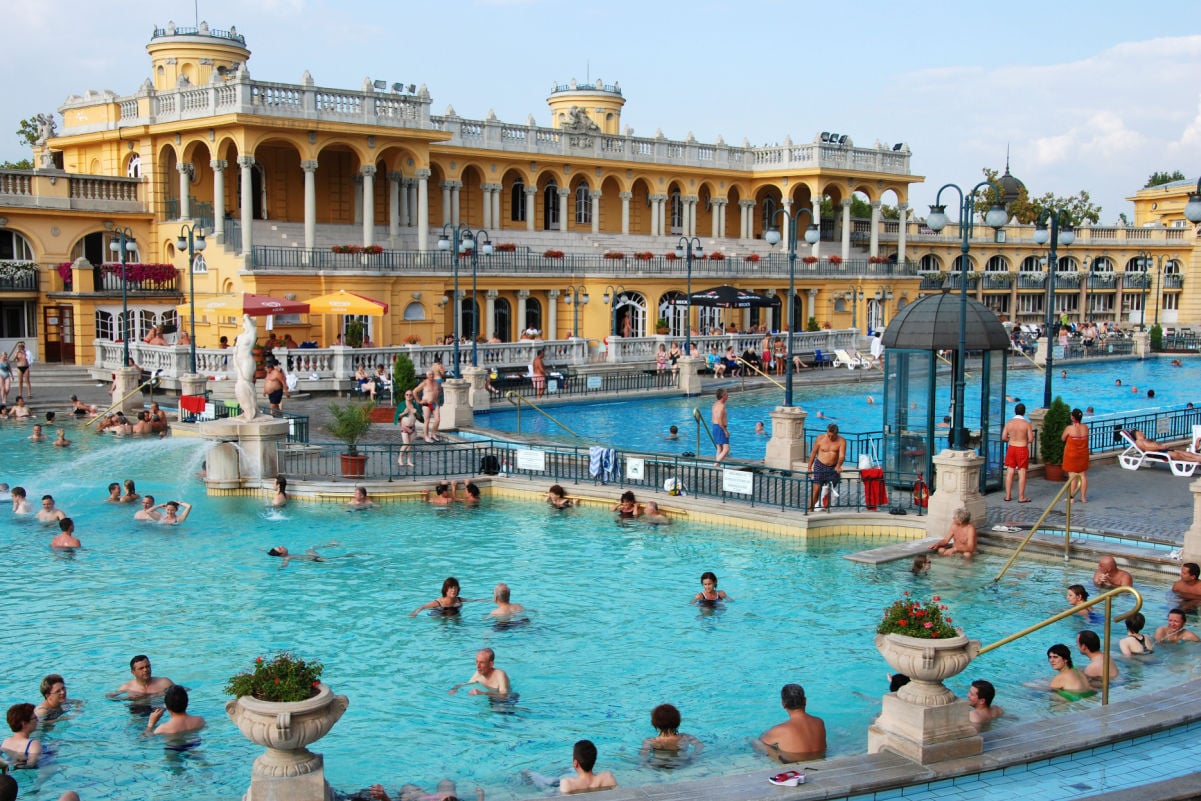
- The Scenic Scene: On the Pest side, the massive Gothic Revival Hungarian Parliament Building stretches along the riverbank like a cathedral of state. Across the water, the towering Buda Castle and the white turrets of Fisherman’s Bastion stare back down from the cliffs.
- The Night View: The city arguably looks its absolute best at night, bathing all of its major monuments and bridges in a warm, golden illumination that perfectly reflects off the dark, moving waters.
Tip From The Editor (me): You do not need to pay for an overpriced tourist river cruise to see the sights. Just buy a standard transit ticket and hop on Tram Line 2. It runs directly along the Pest riverbank, offering a perfectly unobstructed, panoramic view of the Buda skyline for the price of a cup of coffee.
Budapest proves that you do not have to compromise your travel itinerary. You can have the gritty urban adventure, the ancient wellness retreats, and the natural escapism all in the exact same zip code.
Enter your email address to subscribe to Travel Off Path’s latest travel news, straight to your inbox
