

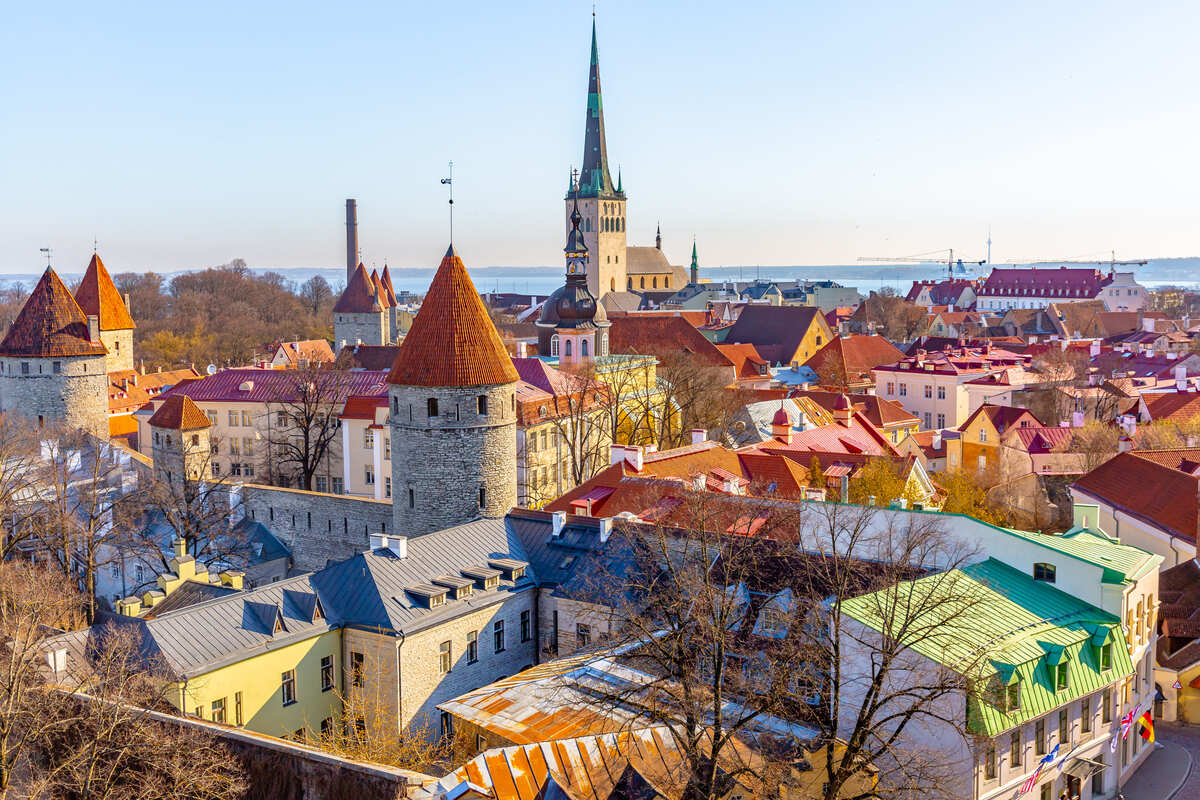
This Lesser Known Medieval City Is One Of The Safest Destinations In Europe
Cobblestones, centuries-old tavernas, and a historic castle towering above it all: that’s the fairytale version of Europe most of us grew up dreaming about.
These days, though, many of the continent’s biggest-name destinations come with overflowing bins, broken glass underfoot, and the uneasy feeling you should keep one hand on your wallet after dark.
Europe isn’t quite the same as it was 20, or even 10, years ago, but we’re not here to get into politics.
If you’re still chasing that childhood Disney-esque vision of Europe, there’s one medieval city that has somehow managed to preserve it all while remaining significantly safer than much of Western Europe… you’ve probably just never heard of it before.
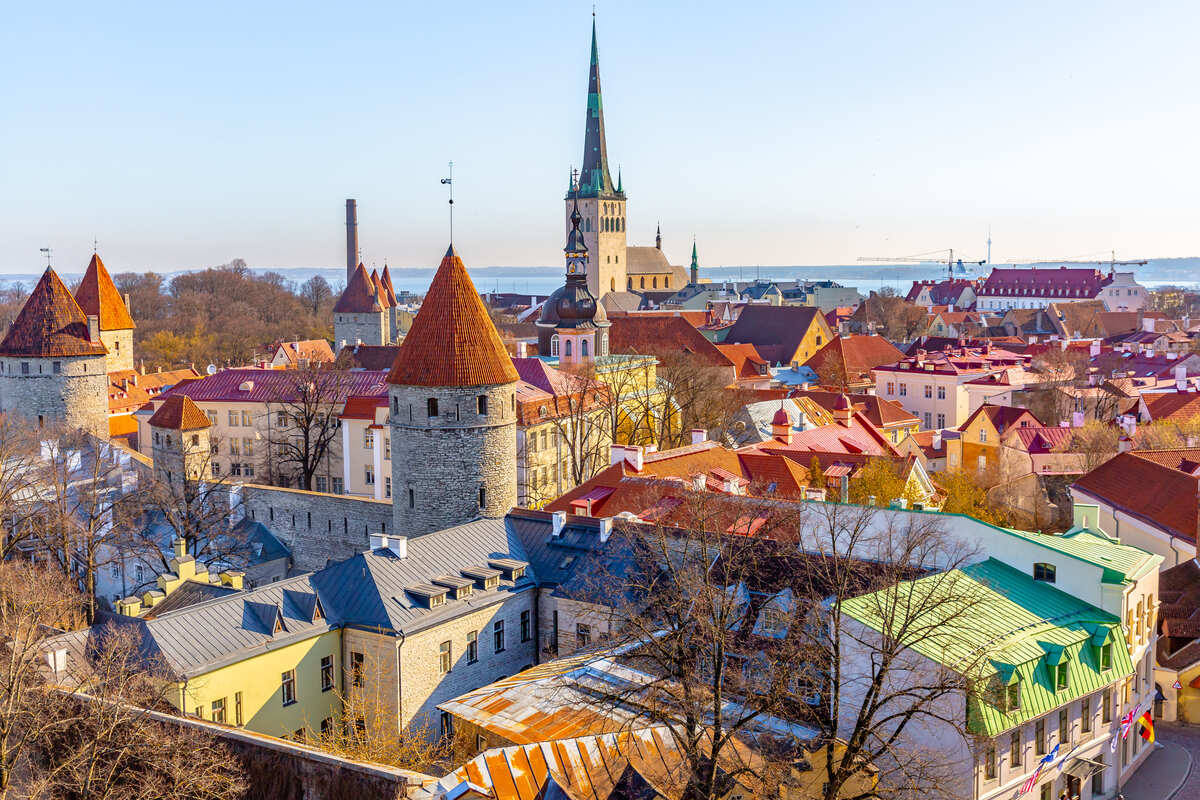
Europe’s Prettiest Medieval Capital Is Also One Of Its Safest
Straddling the permanently-frosty Baltic Sea, Tallinn may be the capital of Estonia, one of Europe’s most forward-thinking and entrepreneurial countries, but at heart, it still feels like a postcard town frozen in time.
If you’ve been a little underwhelmed by Paris’ rat-infested parks or Rome’s never-ending battle with overflowing garbage, you’ll be pleasantly surprised by a medieval center that remains remarkably pristine:
Spotless cobblestone lanes, barely any graffiti, and centuries-old walls that still look like they belong in a storybook.
Tallinn’s Old Town is a UNESCO World Heritage Site of winding streets, Gothic churches, medieval towers, and colorful merchant houses. But here’s the thing:
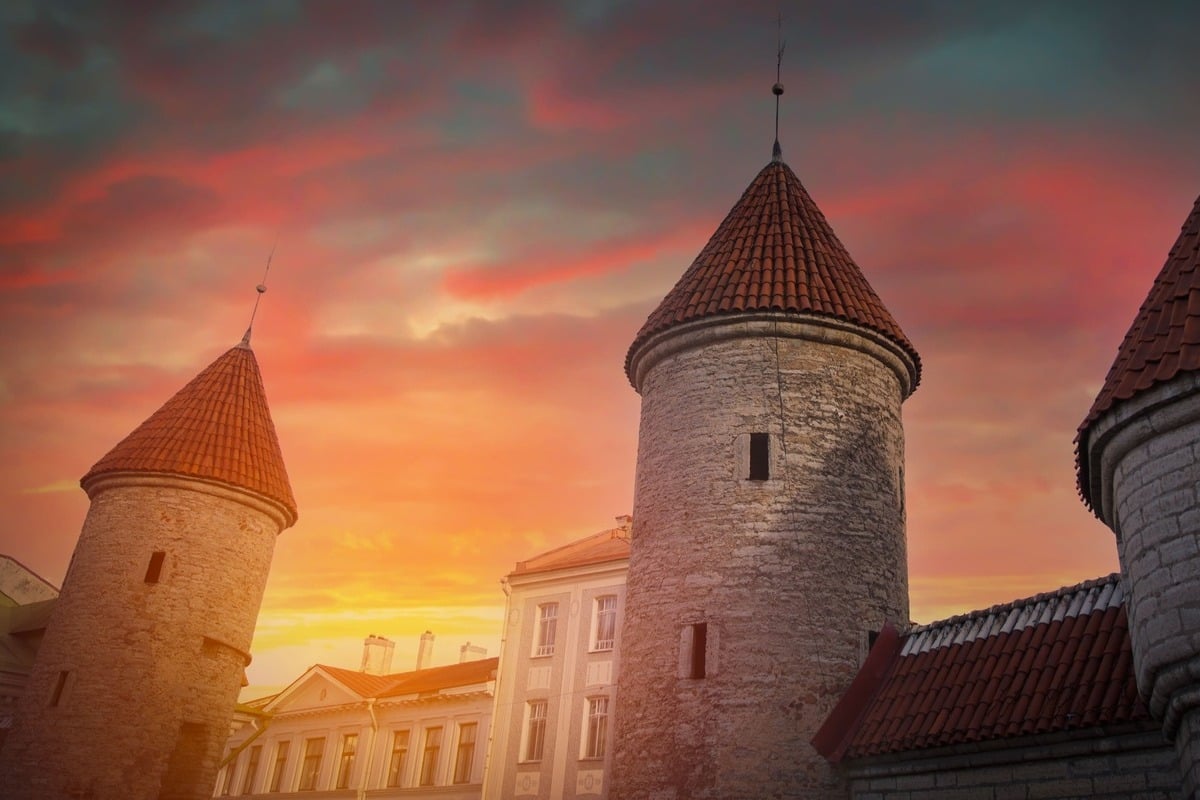
It doesn’t feel like some overly-polished historical theme park built solely for tourists. Much of the original fabric of this once-powerful Hanseatic trading city is still intact, and life genuinely continues behind those centuries-old facades.
Unlike many Western European Old Towns where the prettiest streets have slowly turned into a mix of short-term rentals, overpriced souvenir stores, and tourist traps, Tallinn’s historic core still has something increasingly rare: actual residents.
Locals haven’t been completely priced out, and the Old Town still feels like a neighborhood, not just a backdrop for visitors to photograph.
This is one of the best-preserved, continuously inhabited medieval urban areas in Europe.
Like A Medieval Theme Park. Except It’s The Real Deal
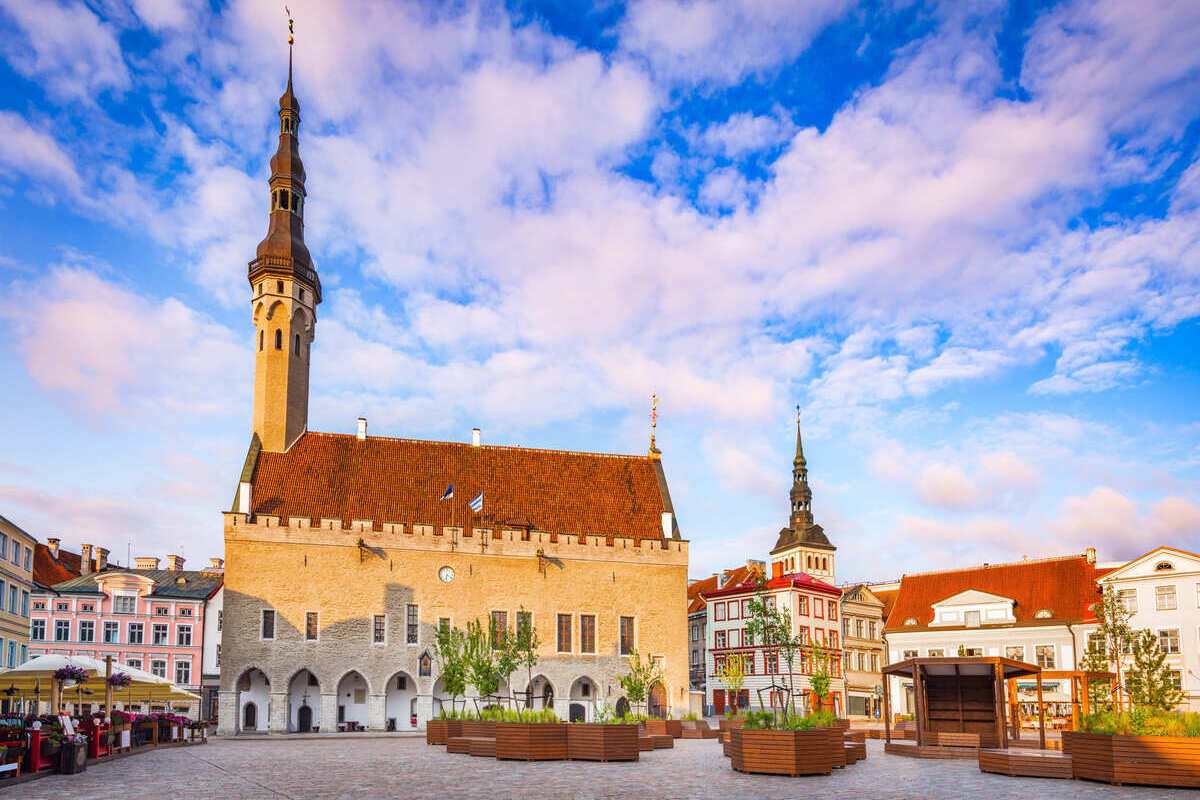
Take Town Hall Square, for instance: it’s home to the oldest-surviving Gothic town hall in Europe.
And no, it’s not just another historic building turned into a museum where the occasional curious tourist wanders in for 20 minutes; it still serves the local community today.
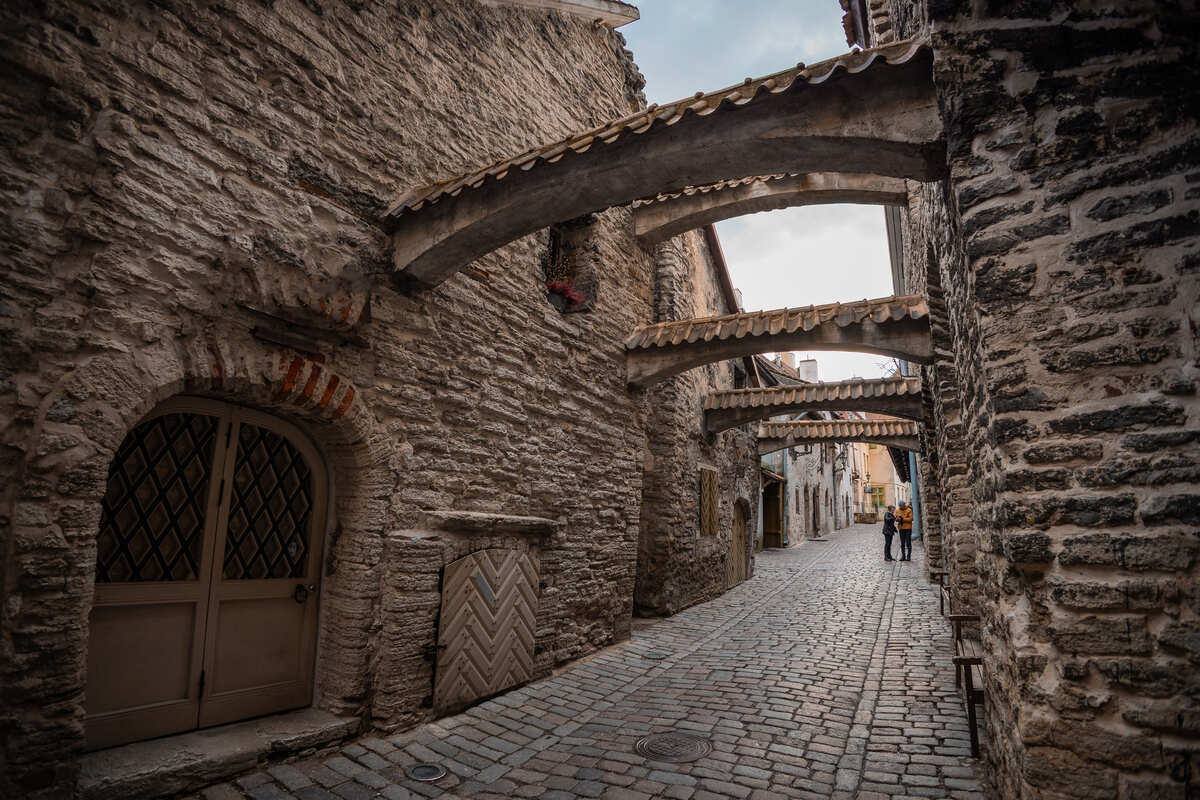
A short 5-minute walk from the square, St. Catherine’s Passage is probably the prettiest street in town, and you haven’t truly experienced Tallinn until you’ve wandered through its stone arches, browsed its artisan workshops, and soaked up the medieval atmosphere.
Up Toompea Hill is where Tallinn’s rulers lived for centuries, and in many ways, it feels like a completely different world from the lower city, where merchants once traded, lived, and went about their daily business.
Think winding medieval lanes, castle walls, and sweeping views over the red gable roofs below, the soaring tower of St. Olaf’s Church, and the Baltic Sea stretching into the distance.
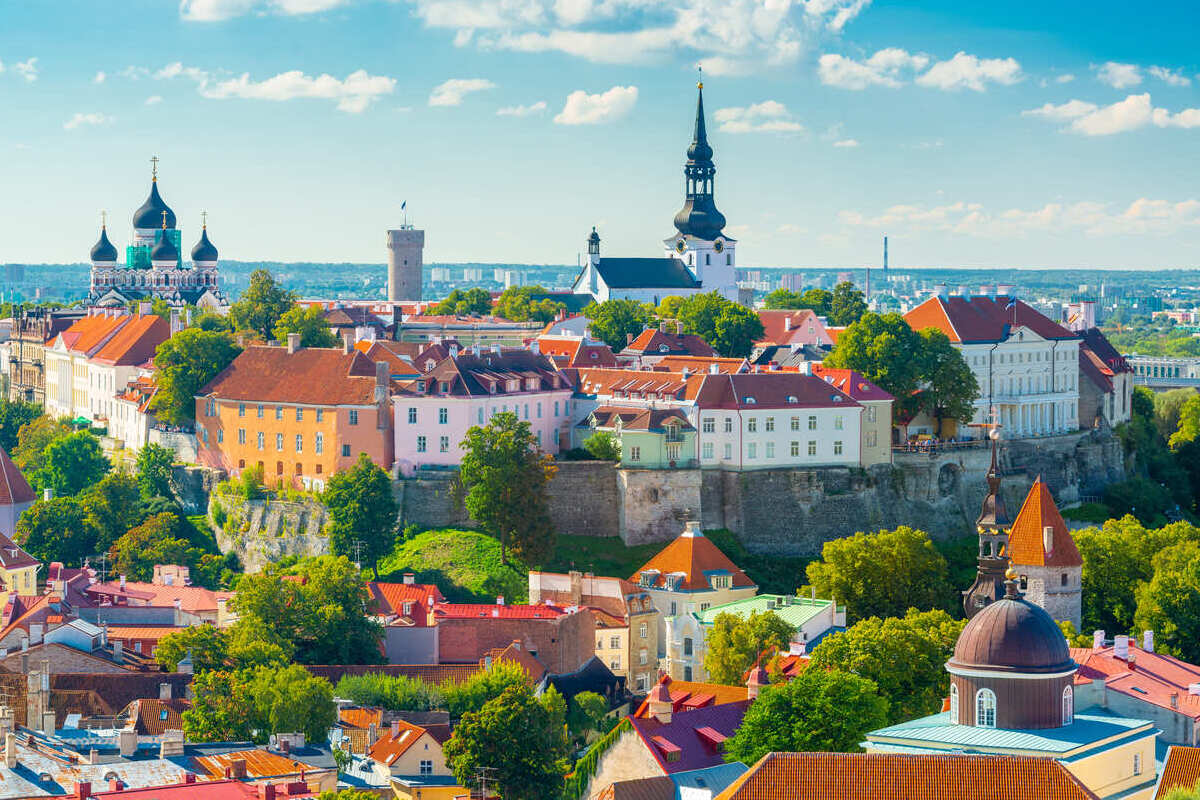
The climb itself is easy, with only around 10 minutes separating Town Hall Square from the famous Kohtuotsa viewpoint, but the payoff is arguably Tallinn’s biggest “wow” moment.
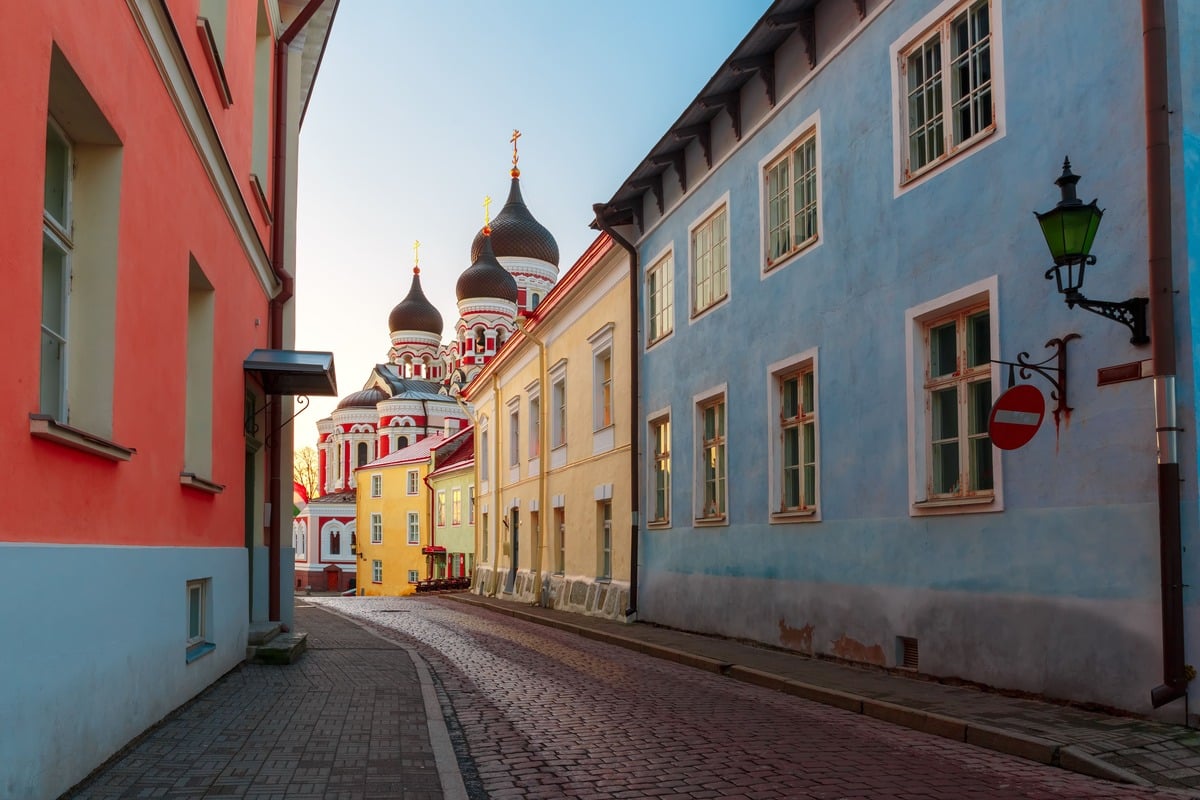
Toompea is also home to Alexander Nevsky Cathedral, instantly recognizable by its Russian-style onion domes. Even if you’re not particularly religious, the richly decorated interior, with its mosaics and icons, is worth a quick look.
And if you don’t exactly fancy the uphill walk, simply following the ancient city walls surrounding the lower town is one of the coolest, and most underrated, things to do in Tallinn.
Just a little disclaimer, the European Union has tightened entry rules significantly this year, and this includes Estonia. 44,000 travelers were denied entry already because they weren’t familiar with the new regulations.
Before booking those flights to Europe this summer, verify the travel rules that apply to U.S. passport holders on the Entry Requirements Checker.
Tallinn Is One Of Europe’s Most Peaceful Cities
The surprising part?
Despite Tallinn becoming somewhat of a British stag-do destination in recent years, with nightlife getting noticeably livelier, the chaotic scenes that have become almost synonymous with some European capitals simply haven’t taken hold here.
Maybe it’s the no-nonsense, well-organized approach to policing, the strong social norms, or the generally low tolerance for public disorder and antisocial behavior, but Tallinn remains remarkably clean, calm, and orderly… almost like stepping into a medieval postcard with modern Nordic standards.
And safe.
Tallinn may sit on Europe’s easternmost frontier, bordering Russia in fact, but you’d be surprised by just how low-risk and stable it remains. Aside from diplomatic tensions and occasional provocations from the Russian side, Estonia has not been directly impacted in any meaningful way from a safety perspective.
Beyond the geopolitical headlines, street crime is remarkably rare, with violent theft, scams, and the kind of tourist-targeted schemes common in many European capitals being virtually non-existent.
In 2025, Estonia recorded an exceptionally low homicide rate of just 1.3 per 100,000 residents, which helps explain why it received the coveted Level 1 designation from the U.S. Department of State.
On the Traveler Safety Index, a ranking based on reports and experiences shared by recent visitors, the city also scores an impressive 85 out of 100:
Tallinn’s Top Hidden Gem: The Creative City
Tallinn’s true magic, however, happens once you step away from the postcard-ready center.
This is one of Europe’s rare capitals where you can wander through a genuinely intact medieval city, then five minutes later find yourself in a cutting-edge digital society that feels decades ahead.
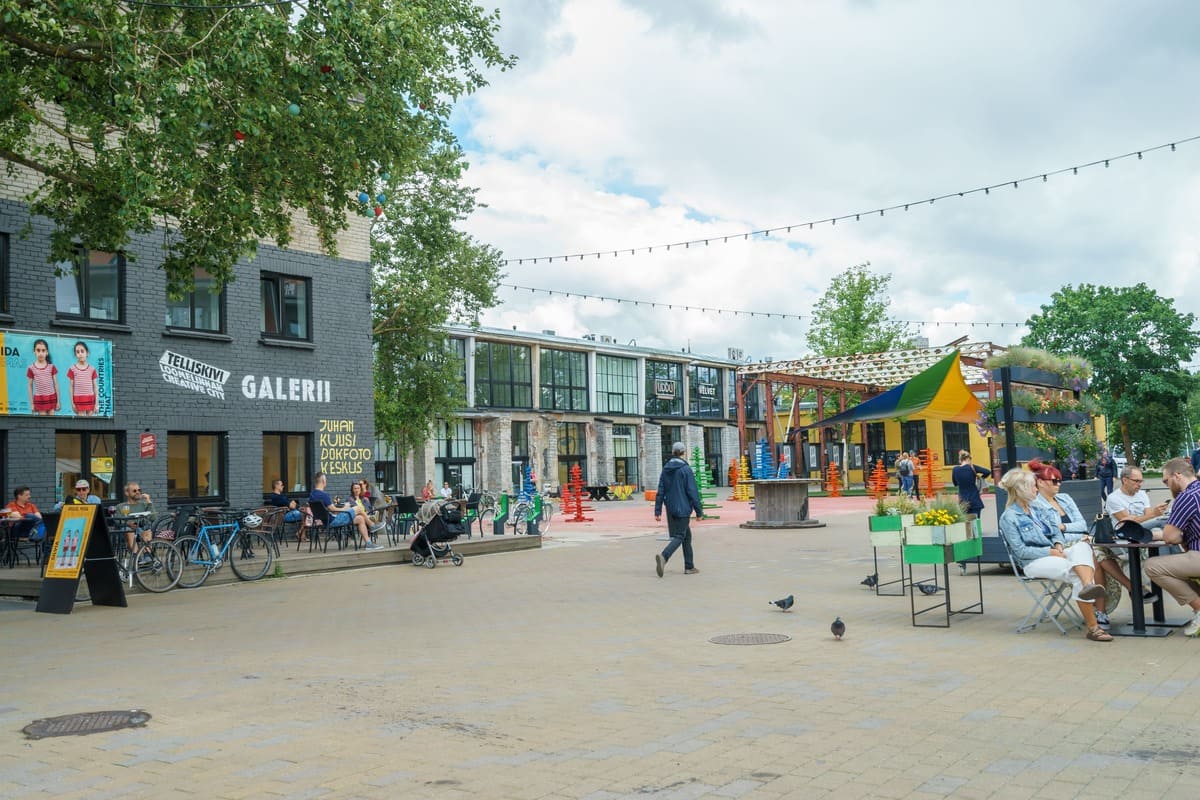
Telliskivi Creative City is a former industrial complex turned creative quarter, packed with colorful murals, street art, galleries, independent shops, and quirky bars. It’s Tallinn’s answer to Berlin’s Kreuzberg: industrial bones, alternative energy, and a creative edge, but unmistakably Estonian at heart.
Go farther out into the skyscraper-dotted business district, or toward the sleek Nordic-style waterfront, and you’ll understand why Estonia has built such a reputation as one of Europe’s biggest tech pioneers.
It’s no wonder it was named one of the world’s best digital nomad destinations already back in 2024.
Tallinn became famous for e-government, digital identity, online voting, and a level of digital integration that many countries are still trying to catch up with.
And if you didn’t know already, this is actually where Skype was born.
From medieval towers and Hanseatic merchant houses, to digital identities and futuristic startups, Tallinn is the rare European capital where the past and the future don’t just coexist. They somehow make perfect sense together.
